

Table of Contents
Introduction to Whole-Body Cellular Tracking
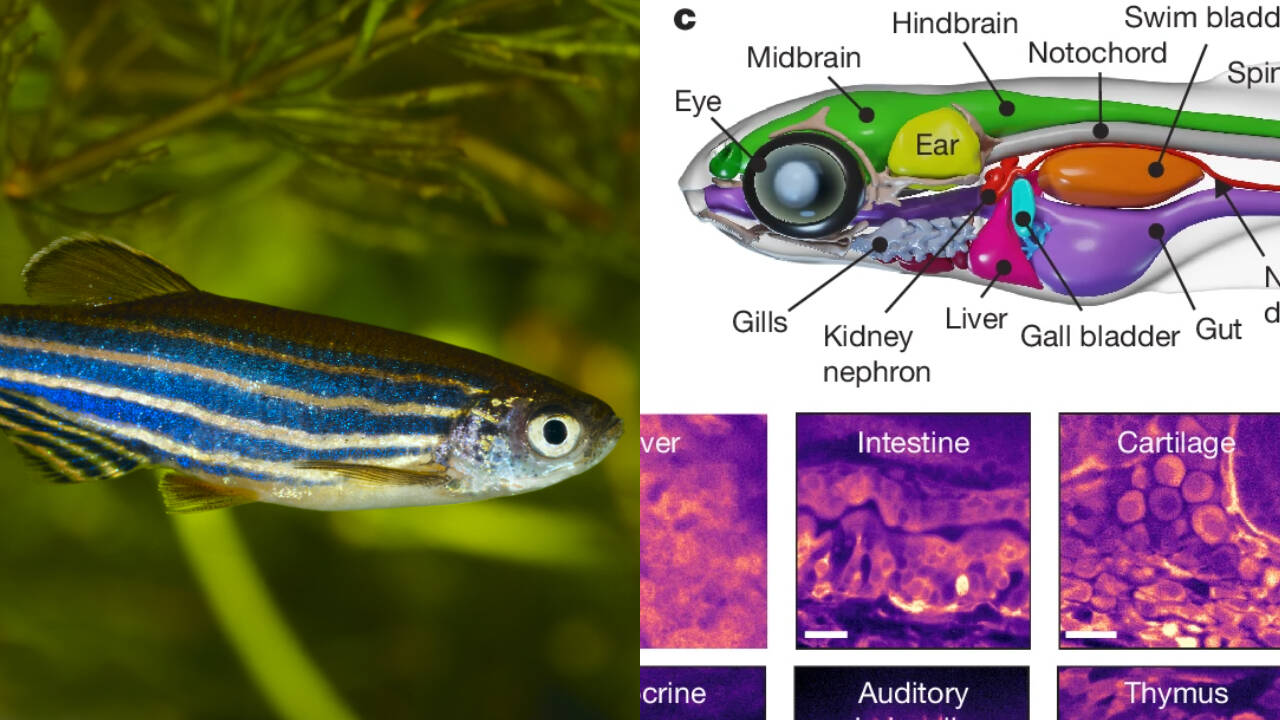
Transparent zebrafish represent a monumental leap forward in biological research, allowing modern science to observe life unfold at an unprecedented resolution. For decades, tracking cellular activity across an entire living vertebrate simultaneously remained an elusive goal for researchers. Traditional imaging techniques often required sacrificing subjects or focusing on isolated tissues, leaving massive gaps in our understanding of systemic physiological communication. However, recent technological advancements have bridged this gap, offering a revolutionary window into the dynamic interplay of cells inside a living organism.
As researchers delve deeper into understanding complex biological networks, tools that provide holistic views of physiological processes become indispensable. The ability to monitor transparent zebrafish transforms theoretical biology into observable reality, setting a new standard for how we study vertebrate anatomy, neural pathways, and systemic responses to various stimuli.
The Transparent Zebrafish Model
Why choose the zebrafish for such a complex undertaking? The answer lies in their unique biological traits. During their early developmental stages, zebrafish are naturally see-through, permitting light to pass through their tissues without significant scattering. By utilizing specific genetic strains that maintain this clarity into later stages of life, scientists created the ultimate model for non-invasive, whole-body imaging.
This natural transparency eliminates the need for destructive slicing or complex tissue-clearing chemical processes. Researchers can watch organs develop, blood flow through vessels, and neurons fire in real time. Compared to mammals, which possess opaque tissues and require invasive procedures for deep-tissue observation, the transparent zebrafish provides an unobstructed, ethical, and highly efficient canvas for advanced microscopy.
How the Whole-Body System Works
Capturing activity across thousands or millions of cells concurrently requires more than just a clear subject. It demands a sophisticated synergy of advanced optics, high-speed cameras, and powerful computational processing. The newly developed system utilizes light-sheet fluorescence microscopy combined with genetically encoded calcium indicators that light up when cellular activity spikes.
Here is a breakdown of the core components that make this technology possible:
- Light-Sheet Illumination: Minimizes phototoxicity by illuminating only a thin plane of the organism at any given moment.
- Genetically Encoded Indicators: Proteins that fluoresce brightly in response to physiological changes, such as electrical or chemical signaling.
- High-Speed Sensors: Capable of capturing thousands of frames per second to track rapid cellular dynamics.
- Advanced Computational Algorithms: Deconvolute overlapping signals and map every single active coordinate back to its anatomical origin.
Implications for Modern Medicine
The ability to monitor body-wide signals moving between organs opens up profound possibilities for biomedical science. Rather than viewing diseases like cancer, neurodegeneration, or metabolic disorders as isolated events, scientists can now observe how a localized pathology triggers systemic reactions throughout the entire vertebrate body.
For instance, researchers can track how immune cells migrate toward sites of inflammation in real time or observe how pharmaceutical compounds affect multiple organ systems simultaneously. This comprehensive overview drastically improves drug screening accuracy, potentially reducing reliance on traditional animal testing by providing richer, more detailed data from fewer subjects.
Future Research Directions
As this imaging technology continues to mature, researchers are already looking toward the next horizon. Future iterations aim to increase temporal resolution even further and expand the spectrum of detectable cellular markers. Integrating artificial intelligence into data analysis will likely accelerate the identification of complex neural circuits and obscure intercellular signaling pathways.
Ultimately, these developments bring us closer to constructing complete digital twins of living organisms, bridging the gap between wet-lab biology and predictive computational modeling. The insights gained from transparent zebrafish will undoubtedly ripple across numerous scientific disciplines for years to come.
Conclusion
The successful tracking of nearly every cell in a living vertebrate marks a watershed moment in modern biology. By harnessing the unique properties of transparent zebrafish, scientists have unlocked unprecedented visibility into the intricate symphony of life. As this technology evolves, it promises to reshape our understanding of health, disease, and the fundamental mechanics of multicellular existence.