

Table of Contents
Introduction
BRICS chairship leadership transitions mark a critical moment for the global economic and political bloc as it navigates complex international dynamics. Prime Minister Narendra Modi recently extended his best wishes as the rotating presidency officially moved forward, emphasizing that the global community anticipates tangible outcomes from the cooperative platform. This transition underscores the growing geopolitical significance of the bloc, which represents a substantial portion of the world’s population and economic output.
BRICS Chairship Transition
The annual rotation of the leadership role allows different member states to steer the strategic priorities of the coalition. As the formal BRICS chairship changes hands, member nations reflect on the previous term’s milestones while preparing for the upcoming agenda. This diplomatic continuity ensures that key initiatives spanning financial cooperation, sustainable development, and security dialogue continue to receive focused attention.
Key Responsibilities of the Chair
Holding the rotating presidency involves hosting major summits, coordinating policy positions among members, and driving consensus on pressing international matters. The presiding nation acts as the primary voice for the coalition in various global forums, advocating for reformed multilateralism and inclusive growth.
India’s Role and Achievements
During its tenure, India played a pivotal role in advancing the group’s core objectives. Emphasizing digital public infrastructure, resilient supply chains, and traditional medicine, India’s leadership helped shape a forward-looking agenda. Observers noted that fostering deeper economic ties among emerging markets remained a central theme throughout India’s stewardship.
- Advocating for reformed global governance institutions
- Promoting trade in local currencies to mitigate external financial shocks
- Expanding technological partnerships among developing nations
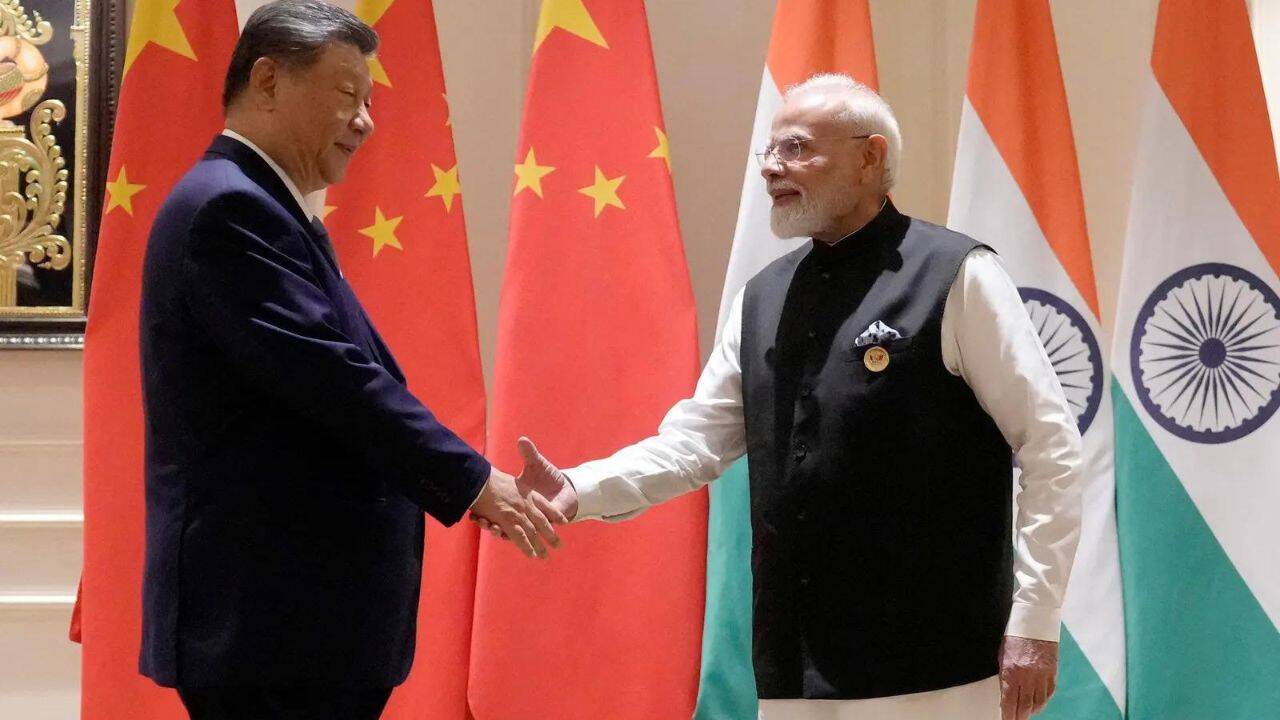
Looking Ahead to China’s Chairship
As the administrative responsibilities shift, expectations remain high for the upcoming term. The international community looks toward the new chair to foster constructive dialogue and deliver actionable policies. Addressing global supply chain resilience, climate finance, and regional security will likely remain at the forefront of the discussions.
Conclusion
The successful transition of the BRICS chairship highlights the resilience and adaptability of the emerging economies bloc. With Prime Minister Modi emphasizing the need for concrete outcomes, the alliance moves into its next phase with a renewed commitment to multilateral cooperation and sustainable global development.