
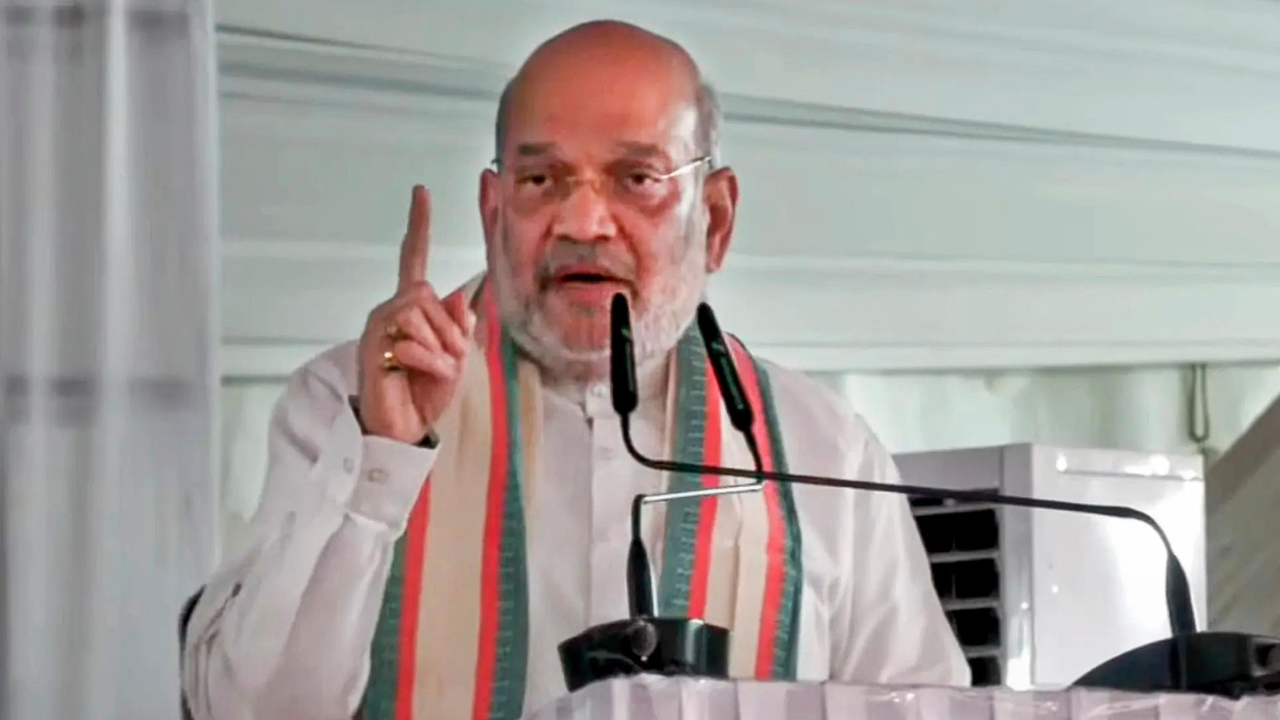

Decolonising knowledge remains a vital cultural and intellectual pursuit for modern nations seeking to understand their roots free from external biases. Recently, Union Home Minister Amit Shah addressed this critical theme, noting that removing colonial influences from historical records is not about erasing the past, but rather about genuinely reclaiming the nation’s authentic narrative. This comprehensive guide explores the core principles behind this intellectual movement, the preservation of ancient manuscripts, and the future of Indian knowledge systems.
Table of Contents
Understanding Decolonising Knowledge
For centuries, the academic interpretation of South Asian history was largely shaped through foreign lenses. Experts argue that true intellectual independence requires looking past these imposed perspectives. Amit Shah pointed out that authentic scholarship must remain completely free from rigid ideological constraints.
Reclaiming this narrative involves revisiting classical texts, scientific treatises, and philosophical discourses that originated in the subcontinent. By doing so, scholars can properly contextualize historical contributions to mathematics, astronomy, governance, and the arts.
The Role of Ideological Freedom
True academic growth happens only when researchers can explore archives without political or dogmatic pressures. A healthy intellectual environment encourages debate, critical analysis, and open-minded discovery.
Preserving Manuscripts and Ancient Traditions

Scholars examining ancient texts to preserve traditional knowledge systems.
India possesses an immense repository of palm-leaf and paper manuscripts scattered across various institutions, temples, and private collections. Protecting these fragile records is a race against time.
To address this, leadership has proposed establishing a unified digital network. This platform would allow institutions to share heritage collections seamlessly, ensuring that researchers nationwide have access to primary source material.
- Digitisation of rare and fragile texts
- Creation of a centralized archive network
- Training young scholars in classical languages and epigraphy
Indology for National and Global Welfare
Indology—the academic study of Indian history, literature, philosophy, and culture—holds immense potential. When approached correctly, traditional wisdom offers sustainable solutions to contemporary global challenges, ranging from environmental conservation to mental well-being.
Scholars are encouraged to apply ancient frameworks to modern contexts, proving that historical texts maintain practical relevance in the twenty-first century.
Global Collaboration in Research
Reclaiming a narrative does not mean isolating oneself from the international academic community. Instead, it invites global scholars to engage with Indian philosophy on equal footing, fostering mutual respect and cross-cultural understanding.
Conclusion
The movement toward decolonising knowledge is a progressive step toward self-awareness and historical accuracy. By protecting ancient manuscripts, fostering ideological freedom, and promoting authentic Indology, nations can build a future firmly rooted in their unique cultural identity while contributing positively to the global community.