

Table of Contents
Introduction to Bat Echolocation
Bat echolocation remains one of nature’s most fascinating biological navigation systems. By emitting high-frequency sounds and listening to the returning echoes, these flying mammals build intricate mental maps of their surroundings, locate prey, and identify water sources in total darkness.
However, modern infrastructure introduces novel challenges to these ancient sensory adaptations. Smooth artificial surfaces frequently mimic the acoustic properties of open water, leading to fascinating yet potentially hazardous behavioral confusion among wildlife populations.
The Plastic Water Experiment
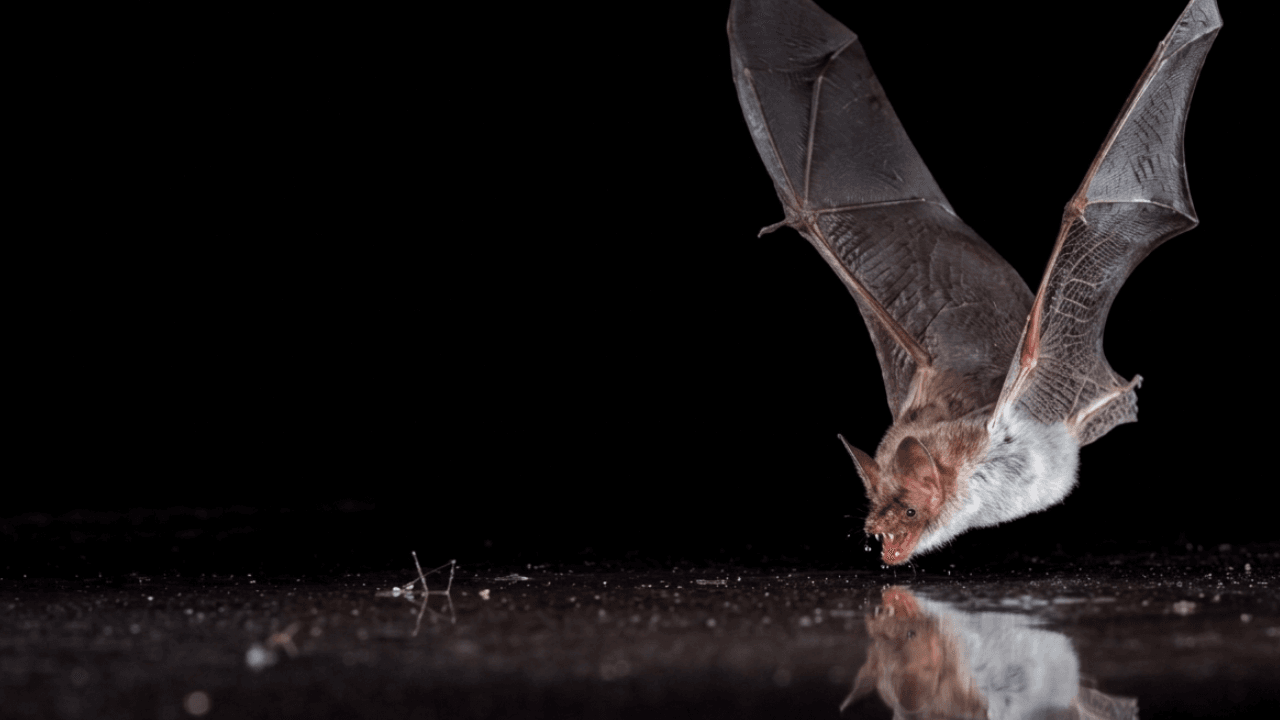
Recent scientific studies revealed a surprising vulnerability in these nocturnal animals. Researchers discovered that bat echolocation can be easily tricked by placing clear plastic sheets over smooth surfaces. During controlled observations, scientists tested multiple species to understand how acoustic reflections influence drinking habits.

Researchers observe how bat echolocation interacts with smooth artificial structures.
Key findings from the observational research include:
- A total of 11 distinct species attempted to drink from the covered pools.
- Even juveniles with no prior water-drinking experience fell for the illusion.
- The animals persisted in their attempts despite finding no actual liquid.
Deceptive Acoustic Cues
The smooth texture of plastic combined with underlying structures creates an echo signature nearly identical to a calm body of water. When sound waves bounce off these materials, they return in a uniform pattern that signals hydration opportunities to the flying mammals.
Impact on Natural Behavior
This persistent misconception highlights how human-made environments disrupt natural wildlife patterns. As urban expansion continues, reflective materials such as solar panels, glass buildings, and plastic covers become ecological traps.
| Surface Type | Acoustic Reflection | Observed Animal Response |
|---|---|---|
| Natural Pond | Uniform echo | Successful drinking |
| Plastic Sheet | Deceptive echo | Persistent attempts to drink |
| Glass Panel | High reflection | Navigation confusion |
Conservationists suggest that understanding these sensory quirks can help urban planners mitigate negative impacts on local fauna, ensuring safer habitats for nocturnal species navigating human landscapes.
Conclusion
In summary, the interaction between modern materials and bat echolocation demonstrates the unexpected ways human intervention affects wildlife. Recognizing these sensory vulnerabilities is a crucial step toward protecting vulnerable populations from artificial hazards in urban ecosystems.