

Table of Contents
Introduction to the Sensex Plunge
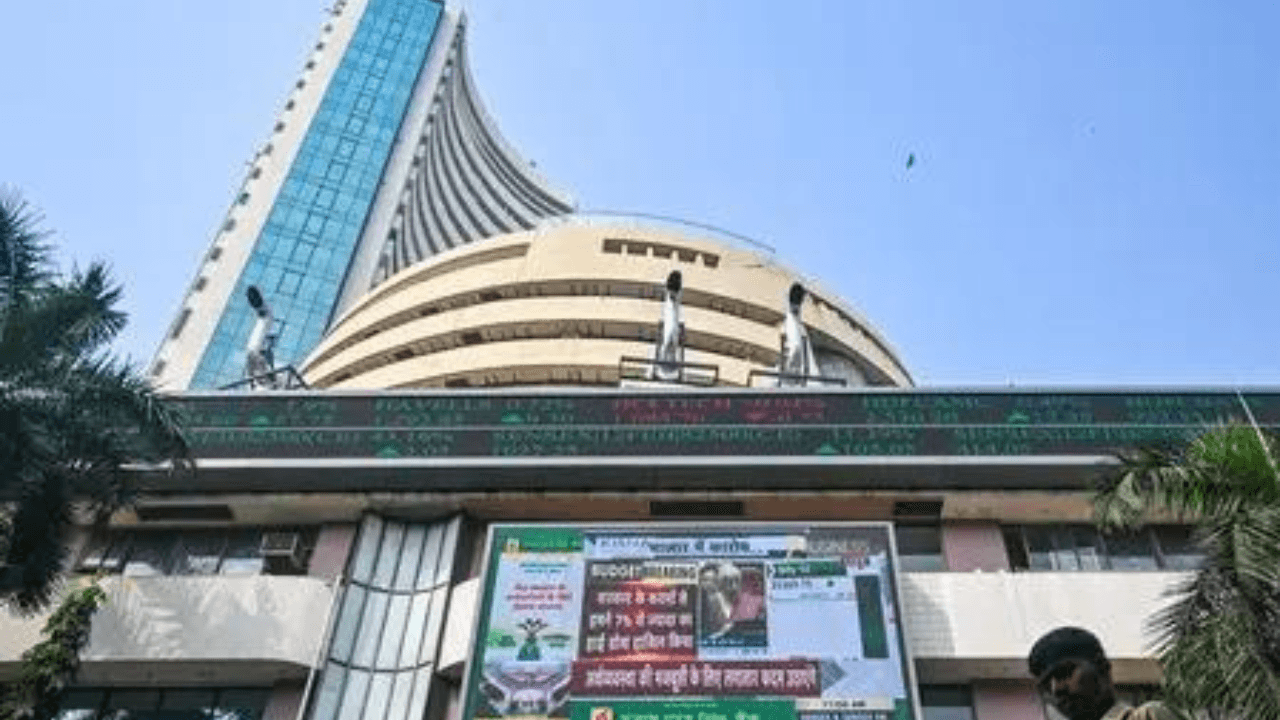
The Sensex plunge sent shockwaves through domestic financial markets as benchmark indices registered substantial losses amid rising geopolitical and macroeconomic pressures. Investors faced a volatile trading session characterized by aggressive selling across major sectors. Understanding the mechanics behind such sharp corrections requires a detailed look at energy markets, currency valuations, and foreign institutional investor behavior.
Market corrections of this magnitude rarely happen in isolation. They are typically the result of a confluence of external economic headwinds. As global energy prices surged, domestic equities reacted negatively, reflecting investor anxiety over inflation, corporate margins, and fiscal deficits.
Crude Oil Spikes and Market Reaction
At the heart of the recent market downturn lies the sudden and sharp escalation in international crude oil prices. Energy costs serve as a vital input for economic productivity, and India imports a significant portion of its petroleum requirements. Consequently, any upward movement in global crude rates instantly strains the national import bill.

Graphical representation of crude oil price fluctuations affecting equity markets.
Why Energy Prices Matter
When crude prices climb, several downstream economic effects follow rapidly:
- Increased manufacturing and transportation costs for domestic businesses.
- Upward pressure on retail inflation rates, affecting consumer purchasing power.
- Potential widening of the current account deficit, complicating monetary policy decisions.
Rupee Vulnerability and Foreign Fund Outflows
Alongside the equity sell-off, the Indian rupee experienced severe depreciation, slipping past the 95 per dollar threshold. Currency weakness exacerbates import costs, creating a compounding negative feedback loop for local financial assets. Foreign institutional investors (FIIs) accelerated their capital withdrawal, liquidating holdings to mitigate risk in emerging markets.
| Economic Indicator | Recent Movement | Market Impact |
|---|---|---|
| Sensex Index | Down 813 Points | Significant contraction in equity valuations |
| Indian Rupee | Slid past 95/$ | Increased import bills and currency pressure |
| Foreign Funds | Net Sellers | Capital outflows reducing market liquidity |
Broader Economic Context and Analysis
Global macroeconomic uncertainties, including shifting central bank interest rate trajectories and geopolitical tensions, continue to dictate investor sentiment. Emerging markets frequently witness capital flight during periods of global stress, as investors seek safe-haven assets such as US Treasury bonds or the US dollar.
Financial analysts recommend maintaining a diversified portfolio and avoiding panic selling during sudden market corrections. Long-term economic fundamentals often provide stability once immediate panic subsides.
Conclusion
The recent financial market downturn highlights the delicate balance between domestic economic growth and external vulnerabilities like crude oil prices and currency depreciation. While volatility remains an inherent aspect of equity investing, staying informed about macroeconomic drivers helps investors navigate turbulent times effectively. Monitoring global energy trends and foreign capital flows remains essential for anyone participating in the financial markets.