

Table of Contents
Introduction
Restoring Scottish native oysters has emerged as a groundbreaking marine conservation initiative aimed at healing coastal ecosystems and bringing back a lost natural heritage. For centuries, vast native oyster reefs flourished along the Scottish coastlines, providing critical habitat for marine life and filtering massive volumes of water. However, centuries of overfishing, habitat destruction, and pollution decimated these thriving populations, leaving behind a largely barren seabed where bustling aquatic communities once stood. Recently, a major conservation effort achieved a remarkable milestone by returning 60,000 native oysters to coastal waters, sparking renewed hope for marine biodiversity recovery in Scotland.
Historical Context of Scottish Oysters
To truly understand the magnitude of the current restoration work, one must examine the rich history of oysters in Scotland. Historically, native European flat oysters (Ostrea edulis) were so abundant that they covered underwater areas comparable in size to major urban centers like Edinburgh. These expansive reefs formed complex three-dimensional habitats that supported countless species of fish, crustaceans, and other marine organisms.
The Collapse of a Marine Ecosystem
During the 19th and early 20th centuries, intensive commercial dredging and overharvesting severely depleted these natural beds. What was once a seemingly endless natural resource collapsed under the weight of human demand. Furthermore, industrial pollution, coastal development, and the introduction of diseases accelerated the decline, pushing native oysters to the brink of functional extinction in many Scottish waters and leaving behind empty seabeds.
The 60,000 Oyster Restoration Project
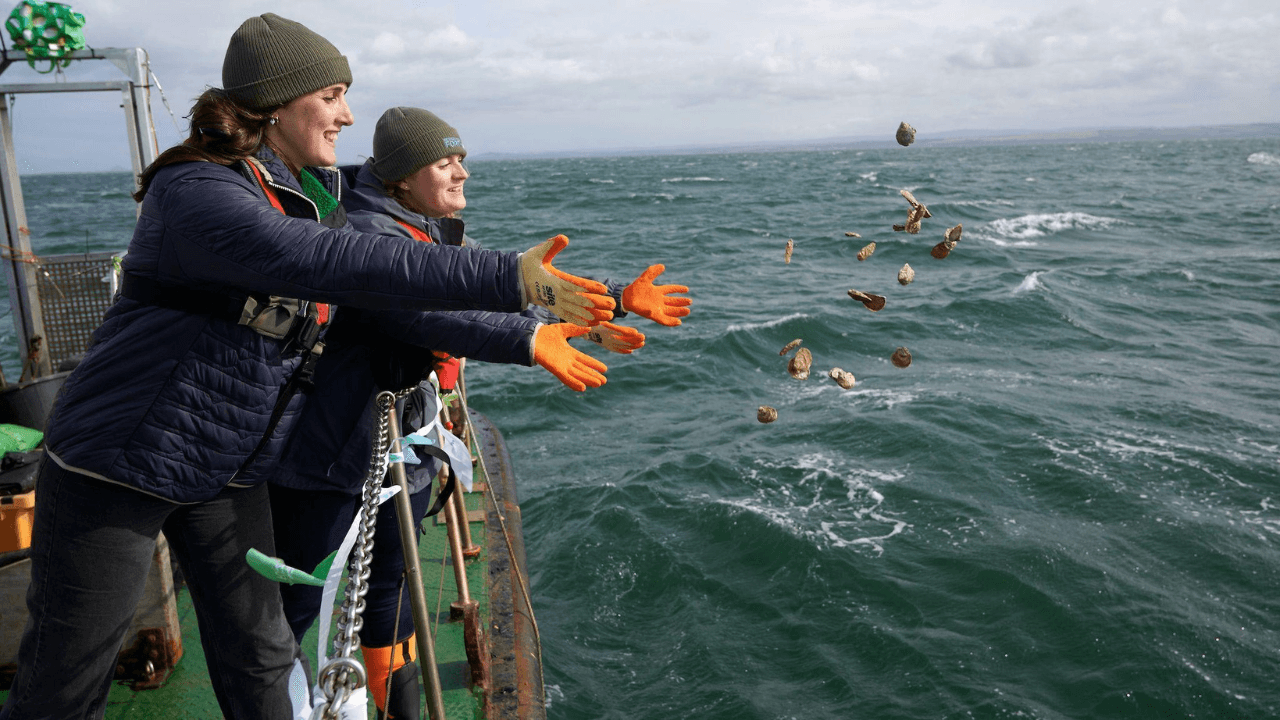
The recent initiative to repopulate Scottish waters represents a monumental achievement in marine rewilding. Marine biologists, conservationists, and local communities joined forces to reintroduce 60,000 mature native oysters into carefully selected estuarine environments designed to maximize survival and reproduction rates.
Methodology and Site Selection
Selecting the right location was critical for the success of the project. Scientists evaluated water quality, salinity, substrate type, and tidal currents to find optimal conditions where the bivalves could thrive. The reintroduced oysters are carefully monitored to track their growth, health, and eventual spawning success, ensuring that the new populations become self-sustaining over time.
| Project Metric | Details |
|---|---|
| Oysters Introduced | 60,000 mature native European flat oysters |
| Primary Goal | Ecosystem recovery and water filtration |
| Habitat Impact | Rebuilding lost reefs and marine biodiversity |
Ecological Benefits of Native Oysters
Oysters are often referred to as marine ecosystem engineers because of their profound positive impact on their surrounding environment. Their return brings multiple distinct ecological advantages:
- Water Filtration: A single adult oyster can filter up to 200 liters of water per day, removing excess nutrients, phytoplankton, and suspended particles, thereby improving water clarity.
- Habitat Creation: Oyster reefs form complex physical structures that serve as nurseries for juvenile fish and safe havens for crabs, mollusks, and various other marine species.
- Carbon Sequestration: Biogenic reefs help store carbon within their calcium carbonate shells and surrounding sediment, contributing to climate change mitigation efforts.

Challenges and Future Outlook
Despite the inspiring success of returning 60,000 oysters, long-term recovery faces several ongoing hurdles. Climate change, ocean acidification, invasive species, and potential illegal harvesting pose continuous threats to fragile young populations. Conservationists emphasize the need for robust legal protections, continued community engagement, and expanded funding to scale up these efforts across other Scottish river systems and estuaries.
Conclusion
The successful return of 60,000 oysters marks a pivotal turning point for marine conservation in Scotland. By restoring Scottish native oysters to their historical habitats, scientists and environmentalists are breathing new life into damaged coastal ecosystems. As these populations grow and multiply, they promise cleaner waters, richer biodiversity, and a restored natural legacy for future generations to cherish and protect.