

Table of Contents
Introduction
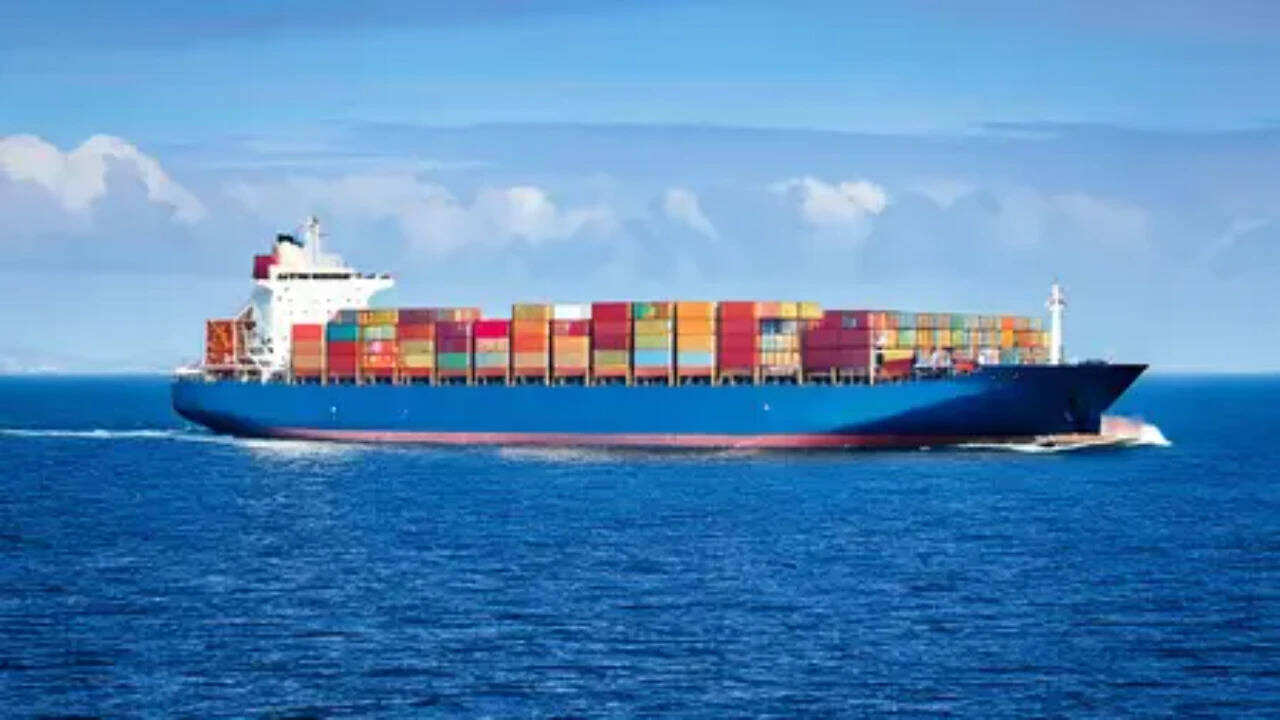
India exports growth has demonstrated remarkable resilience and upward momentum, registering an impressive expansion of over 15 percent during the opening five months of the fiscal year 2026-27. Commerce Minister Piyush Goyal recently shared these encouraging figures, underscoring the dynamic nature of the country’s manufacturing and shipping sectors. This stellar performance not only reflects domestic industrial strength but also sets a positive tone for international commerce amid a complex global economic landscape. As nations increasingly seek reliable trade partners, India continues to solidify its position as a critical node in global supply chains.
Export Performance in FY2026-27
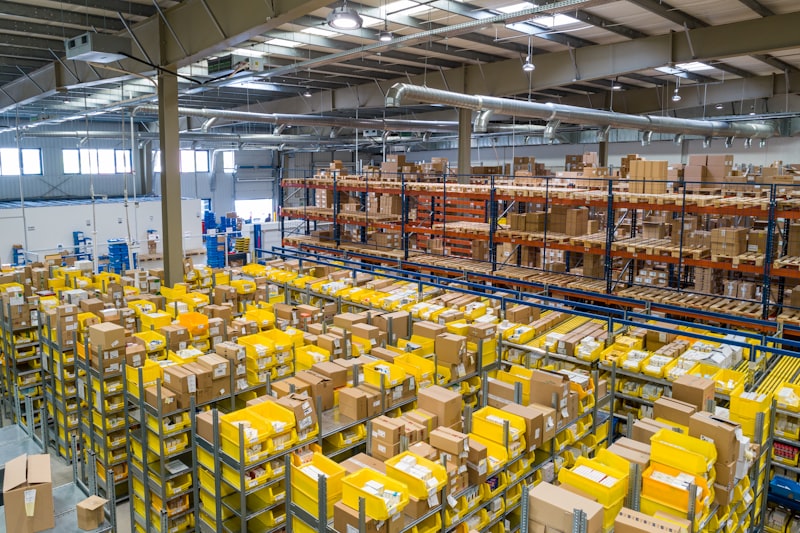
The first five months of FY2026-27 have proven exceptionally fruitful for Indian merchandise shipments. Driven by diversified manufacturing sectors, engineering goods, and refined petroleum products, outbound shipments surpassed previous forecasts. Experts attribute this success to targeted government interventions, streamlined logistics, and enhanced trade agreements with key global partners.
- Strong demand in traditional Western markets
- Expansion into emerging African and Latin American economies
- Increased adoption of modern manufacturing technologies
BRICS Economic Cooperation and Trade Potential
Beyond bilateral trade agreements, the ongoing expansion of India exports highlights the immense potential within BRICS economies to deepen commercial ties. Commerce Minister Piyush Goyal emphasized that member nations must collaborate more closely to harness mutual economic strengths. By aligning trade policies and reducing tariff barriers, BRICS countries can foster a more robust and self-sustaining economic bloc.
Challenges Facing Modern Businesses
Despite the encouraging growth statistics, enterprises operating in the international trade arena encounter numerous hurdles. Access to affordable financing remains a primary bottleneck for small and medium-sized enterprises. Furthermore, connecting with reliable international buyers and navigating unpredictable regulatory frameworks can stall expansion plans. Addressing these systemic obstacles is essential for sustaining long-term export momentum.
Governments and financial institutions must work collaboratively to create smoother pathways for emerging businesses. Key areas requiring immediate attention include:
- Simplified credit lines for export-oriented units
- Transparent and predictable trade regulations
- Enhanced matchmaking platforms for global buyers and sellers
Digital Infrastructure and Electronic Trade
To overcome traditional logistical bottlenecks, BRICS nations are actively exploring common trade infrastructure and digital integration initiatives. Transitioning toward paperless trade through electronic documents can drastically reduce transaction times and administrative costs. Digital platforms also enhance supply chain transparency, allowing businesses to track shipments in real time and minimize border delays.

Unlocking Services Trade Potential
While merchandise trade often dominates headlines, services trade presents significant untapped potential for expanding intra-BRICS commerce. India, as a recognized global leader in IT and professional services, stands to gain substantially from deeper integration. Promoting cross-border digital services, healthcare consulting, and financial technology sharing will open new avenues for economic cooperation.
Conclusion
The remarkable 15 percent surge in India exports during the early months of FY2026-27 signals a bright future for the nation’s commercial sector. Through strategic partnerships, digital infrastructure enhancements, and a concerted focus on both goods and services, the economy is well-equipped to navigate global uncertainties. Continued dedication to resolving business challenges will ensure sustained and inclusive trade growth for years to come.