
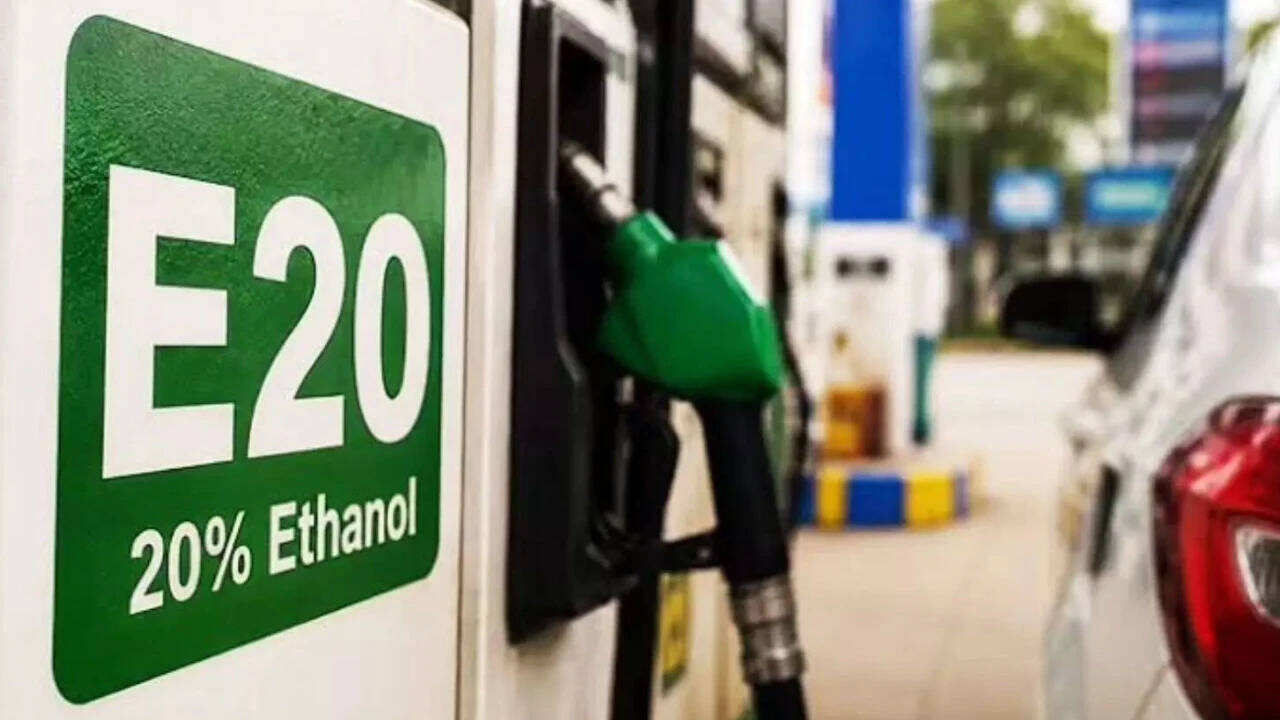

India ethanol blending initiatives are rapidly evolving as the nation looks past its near-term goals to secure a sustainable and self-reliant energy ecosystem. According to recent announcements by top government advisors, the country is well-positioned to exceed its ambitious E20 target ahead of schedule. Policymakers are already laying the groundwork for higher ethanol blends, paving the way for advanced flex-fuel vehicles and exploring innovative biofuel integration in heavy-duty diesel engines. This strategic pivot not only addresses heavy reliance on imported crude oil but also creates lucrative opportunities for agricultural stakeholders and green energy enterprises.
Table of Contents
Surpassing the E20 Milestone
The journey toward achieving a 20 percent ethanol blend in petrol by 2025–26 has been marked by aggressive public-private cooperation. Domestic sugar mills and grain-based distilleries have scaled up production capacity significantly. Energy experts note that supply chains have stabilized, proving that domestic feedstock can reliably support national fuel requirements without threatening food security.
By outperforming baseline projections, regulatory authorities feel confident in pushing regulatory frameworks into uncharted territory. Instead of viewing E20 as the final destination, the administration treats it as a stepping stone toward higher-percentage formulations such as E85 or custom multi-blend configurations tailored for modern engines.
The Role of Flex-Fuel Vehicles
To safely utilize fuel mixtures containing high levels of ethanol, automotive manufacturers must adapt powertrain designs. Flex-Fuel Vehicles (FFVs) represent the cornerstone of this next-generation strategy. Unlike conventional internal combustion engines, FFVs feature corrosion-resistant fuel system components, specialized fuel injectors, and advanced engine control units capable of adjusting ignition timing dynamically based on the prevailing ethanol-to-petrol ratio.
Manufacturing Readiness
Automotive giants operating within the subcontinent are recalibrating their research and development pipelines. Key technological updates involve:
- Upgrading fuel lines and tanks to withstand the corrosive properties of high-concentration alcohol fuels.
- Installing advanced sensors to detect fuel composition instantly.
- Optimizing spark ignition maps for enhanced thermal efficiency.
Expanding Beyond Petrol: Diesel Biofuels and Compressed Biogas
While passenger cars running on petrol represent the most visible segment of biofuel adoption, commercial transport heavily relies on diesel. Addressing this sector is crucial for meaningful carbon reduction.
Government advisors have confirmed that exploratory studies are underway to assess the feasibility of incorporating biofuels into diesel engine cycles. Furthermore, industry players are being strongly encouraged to diversify into Compressed Biogas (CBG) and specialized high-value biochemicals. This multi-pronged approach ensures that agricultural waste, surplus grains, and organic refuse are fully monetized across various industrial sectors.
| Energy Sector | Current Status | Future Outlook |
|---|---|---|
| Petrol Blending | Approaching E20 targets | Transitioning to Flex-Fuel and higher blends |
| Diesel Integration | Exploratory research phase | Targeted biofuel testing for commercial fleets |
| Compressed Biogas | Emerging production units | Decentralized rural energy networks |
Economic and Environmental Impact
Reducing crude oil imports offers massive relief to the national fiscal deficit. By substituting imported petroleum with locally sourced agricultural derivatives, currency reserves are preserved, and rural economies receive a direct financial boost.
Farmers who previously struggled with surplus crop residue can now supply feedstock to local distilleries, transforming waste into reliable revenue streams. Concurrently, greenhouse gas emissions drop substantially, helping the country meet its international climate commitments ahead of schedule.
Conclusion
The proactive push toward advanced ethanol blending and flex-fuel adoption marks a defining moment in India’s energy evolution. By looking beyond current milestones and embracing a diversified portfolio of biofuels, compressed biogas, and diesel alternatives, the nation is successfully building a cleaner, more resilient economic future.