
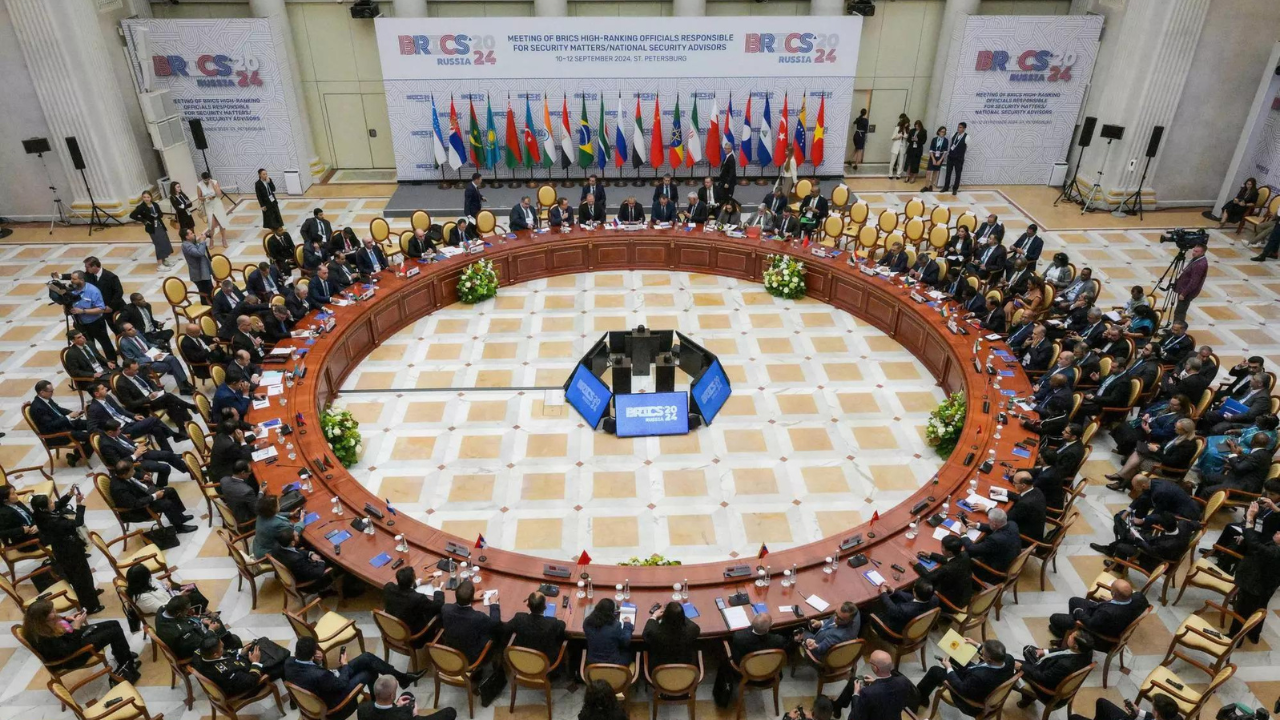

BRICS summit discussions are officially underway, focusing heavily on strategies to boost multilateralism across the global landscape. As emerging economies navigate complex geopolitical shifts, international cooperation remains paramount. In this comprehensive guide, we examine the core agendas, diplomatic breakthroughs, and the highly anticipated bilateral interactions shaping the future of global governance.
Table of Contents
Understanding BRICS and the Push for Multilateralism
The BRICS alliance continues to expand its influence as a counterweight to traditional Western-led financial and political institutions. Multilateralism is the cornerstone of this year’s summit. Member nations seek to reform global bodies like the United Nations and the World Trade Organization to better reflect the realities of the twenty-first century.
Observers note that strengthening economic ties among developing nations reduces reliance on single-currency dominance. Through strategic partnerships, BRICS aims to foster equitable growth and sustainable development.
Core Objectives of Multilateral Cooperation
- Reforming international financial architecture
- Enhancing supply chain resilience among member states
- Promoting localized trade currencies
- Addressing climate change through shared technological initiatives
The Significance of the Modi-Xi Meeting

Caption: World leaders gather to discuss international cooperation and diplomatic frameworks.
A major highlight of the current diplomatic calendar is the anticipated meeting between Indian Prime Minister Narendra Modi and Chinese President Xi Jinping. Scheduled to take place on Saturday, this high-stakes interaction holds immense weight for regional stability in Asia.
Bilateral relations between New Delhi and Beijing have experienced notable strains in recent years. Consequently, any constructive dialogue between the two leaders serves as a positive signal for regional security and economic predictability.
Key Agendas and Economic Goals
Beyond bilateral diplomacy, the overarching summit agenda encompasses several vital economic frameworks. Member nations are actively reviewing expansion proposals and evaluating new partnership models for developing nations.
| Agenda Item | Focus Area | Expected Outcome |
|---|---|---|
| Financial Reform | Alternative payment systems | Reduced transaction friction |
| Trade Expansion | Intra-BRICS commerce | Increased market access |
| Technology Sharing | Digital infrastructure | Bridging the digital divide |
Implications for Global Governance
The outcomes of these multilateral talks will likely resonate far beyond the immediate member states. As multipolarity becomes an undeniable reality, traditional alliances must adapt to inclusive global frameworks.
Experts suggest that a unified BRICS voice can effectively advocate for the interests of the Global South, particularly regarding debt relief, green transition financing, and fair trade practices.
Conclusion
Ultimately, the latest BRICS summit marks a crucial turning point for international diplomacy. With essential talks on multilateralism underway and high-level engagements like the Modi-Xi meeting set for Saturday, the alliance demonstrates its growing capacity to influence global affairs. As these discussions progress, the international community will be watching closely to see how these ambitious diplomatic visions translate into actionable policy.