

Table of Contents
Introduction: The Journey of Sathyanarayanan Mundayoor
Sathyanarayanan Mundayoor, famously known as Uncle Moosa, exemplifies how genuine dedication can completely transform rural education. While many recognize him solely by his 2020 Padma Shri award, his true legacy lies deeply embedded in the hills of Northeast India. Education is not merely a one-way transfer of knowledge; instead, a teacher is also a learner in the truest sense of the word. Through decades of relentless service, Mundayoor has redefined modern pedagogy by placing curiosity, empathy, and community at the heart of learning.

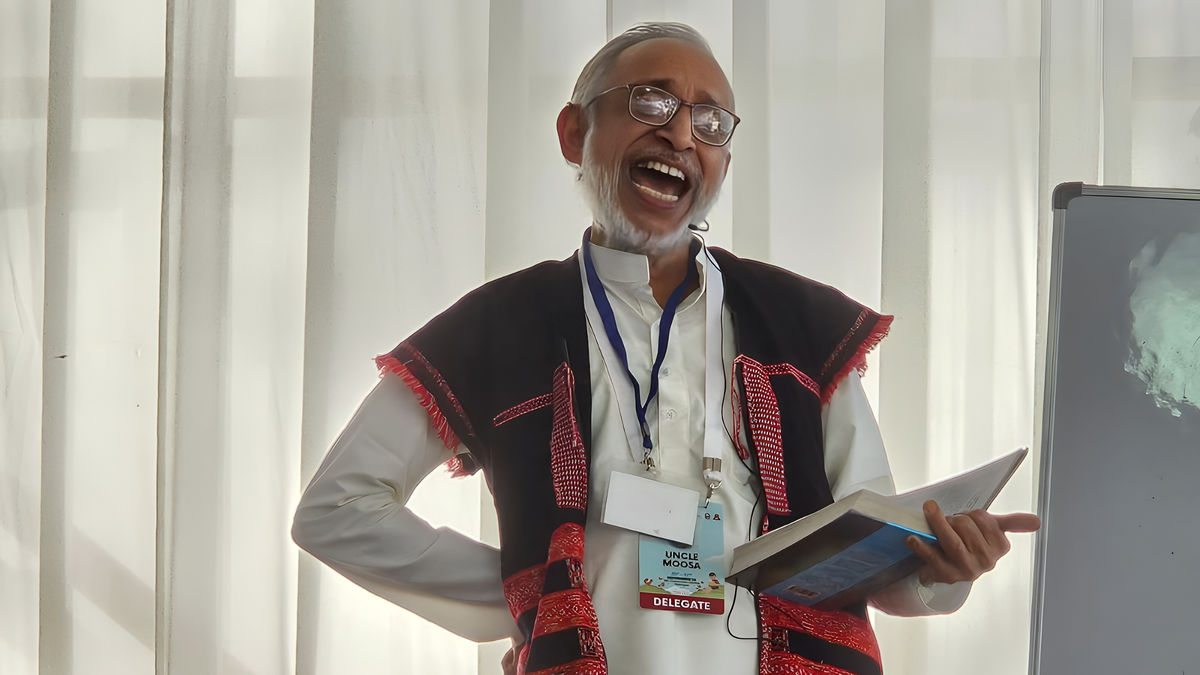
Sathyanarayanan Mundayoor engaging with young minds in a rural learning center.
Who is Uncle Moosa?
Born in Kerala, Mundayoor moved to Arunachal Pradesh in the late 1970s. Initially working in corporate or structured administrative environments, he soon found his true calling in the remote educational landscape of the frontier state. Over time, students and locals affectionately dubbed him “Uncle Moosa.” Rather than acting as a traditional authoritarian instructor, he chose to walk alongside his students as an equal partner in discovery.
The Early Days in the Northeast
Adjusting to the rugged terrain and distinct cultural nuances of Arunachal Pradesh presented significant challenges. However, Mundayoor embraced these hurdles with remarkable enthusiasm. He understood that to teach children effectively, he first needed to understand their worldview, their stories, and their unique relationship with nature.
Transforming Education in Arunachal Pradesh
Arunachal Pradesh features breathtaking landscapes, but its remote topography historically limited access to quality educational resources. Uncle Moosa recognized that standard urban teaching methods would not suffice here. He pioneered community-driven initiatives that bridged the gap between formal schooling and indigenous knowledge systems.

A vibrant community library providing access to books in remote hills.
The Power of Reading and Libraries
One of Mundayoor’s most profound contributions has been the establishment of children’s libraries across remote districts. He strongly believes that books are magical portals that expand horizons far beyond classroom walls. By fostering a vibrant reading culture, he empowered generations of children to dream bigger and think critically.
Bringing Books to the Hills
Recognizing that students could not always travel to fixed locations, innovative outreach programs were launched. Volunteers and educators carried books on foot, across suspension bridges and steep mountain trails, ensuring that no child was left behind.
7 Essential Lessons from Uncle Moosa
Reflecting on decades of grassroots activism reveals powerful takeaways for modern educators and students alike:
- Embrace Lifelong Learning: A great teacher remains perpetually curious.
- Listen First: Understand the learner’s background before imparting knowledge.
- Make Reading Fun: Transform literacy from a chore into a joyful adventure.
- Build Communities: Education thrives when parents and elders are actively involved.
- Adapt to the Environment: Tailor teaching methods to fit local realities.
- Cultivate Empathy: Kindness leaves a deeper mark than strict discipline.
- Sustain Hope: Patience is essential when driving long-term social change.

Mentorship that goes beyond academics to shape character.
Conclusion
The remarkable journey of Sathyanarayanan Mundayoor reminds us that true educational reform starts with a compassionate heart and an open mind. By proving every single day that a teacher is also a learner, Uncle Moosa has etched his name permanently into the hearts of thousands. His lifelong dedication continues to inspire future generations to pursue knowledge with passion, humility, and unwavering curiosity.