

Table of Contents
Introduction to Chennai Office Space Demand
Chennai office space demand continues to demonstrate remarkable resilience and robust growth, propelled primarily by the rapid expansion of Global Capability Centers (GCCs). As modern enterprises look toward India for skilled talent, state-of-the-art infrastructure, and cost-effective operational hubs, Chennai has firmly established itself as a premier destination for commercial real estate investments. Market observers and industry analysts note that this sustained economic momentum is fundamentally reshaping the metropolitan skyline.

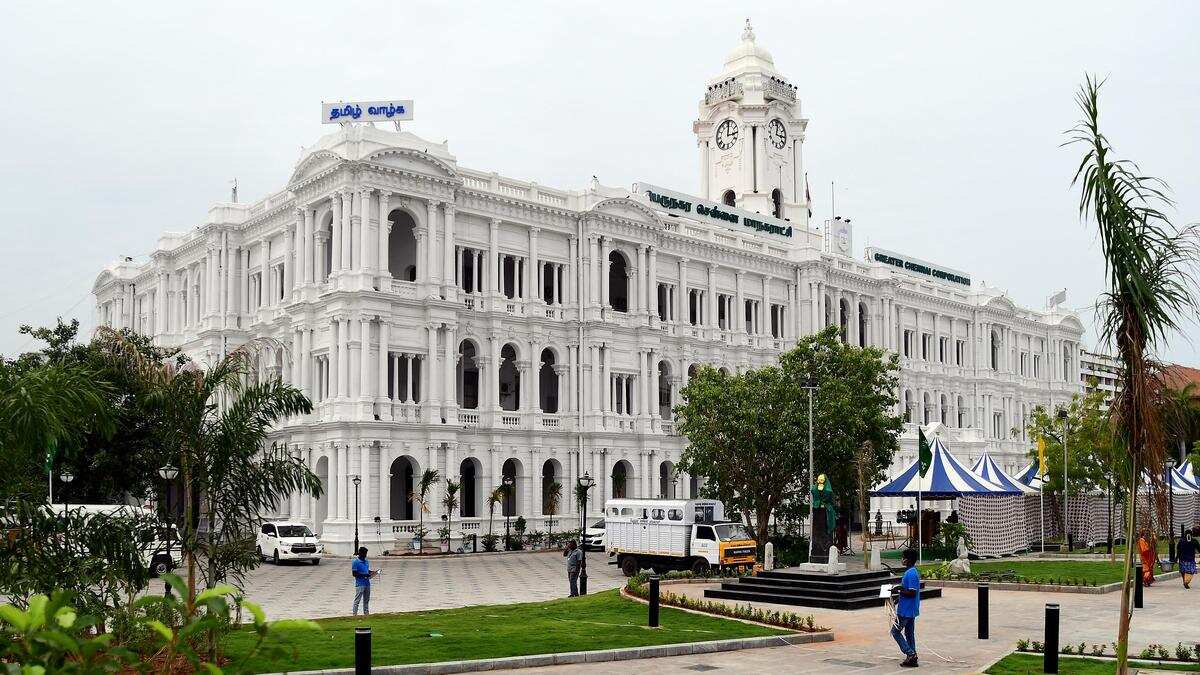
Modern commercial real estate developments are transforming the urban and suburban landscape of Chennai.
Understanding the underlying drivers of this commercial real estate boom requires a closer look at how multinational corporations are restructuring their global footprints. By establishing sophisticated technology, research, and financial hubs in South India, businesses are securing long-term operational efficiencies. For further context on regional economic shifts, readers can explore our guide on commercial real estate trends across India.
The Rise of Global Capability Centers
Global Capability Centers have evolved far beyond traditional back-office support units. Today, these facilities serve as critical innovation engines for Fortune 500 companies. The sheer volume of Chennai office space demand generated by GCCs accounts for nearly half of the city’s total leasing activity. This remarkable statistic highlights how international firms view the local talent pool, particularly in engineering, IT, financial services, and healthcare analytics.
Key Factors Fueling GCC Expansion
- Access to top-tier engineering and technical graduates from premier institutions.
- Competitive rental yields and operating costs compared to other global metropolises.
- Proactive government policies and streamlined single-window clearance for businesses.
- Robust digital and physical infrastructure supporting continuous operations.
Furthermore, leadership teams favor Chennai for its cultural adaptability and high employee retention rates. These qualitative advantages directly influence corporate real estate strategies, leading to long-term lease commitments and campus-style developments.
Suburban Business Districts Emerging as Corridors
While traditional central business districts remain popular, suburban business districts are rapidly emerging as the primary growth corridors for new office supply. Areas along the Old Mahabalipuram Road (OMR), Grand Southern Trunk (GST) Road, and peripheral zones are witnessing unprecedented construction activity. Developers are actively designing integrated business parks that cater to the lifestyle and commute preferences of modern workforce demographics.
| Suburban Corridor | Primary Industry Focus | Growth Driver |
|---|---|---|
| OMR (Old Mahabalipuram Road) | Information Technology & Software | Established tech ecosystem and large land parcels |
| GST Road | Automotive, Engineering, & GCCs | Proximity to the airport and multi-modal transit |
| Mount-Poonamallee Road | BFSI & Tech Operations | Strategic connectivity to residential catchments |
For more insights into regional development, check our detailed report on suburban commercial corridors and how they impact residential and retail property markets.
Commercial Leasing Dynamics and Statistics
The leasing dynamics in Chennai reflect a flight to quality. Tenants increasingly demand Grade-A office spaces that incorporate sustainable building practices, advanced air filtration systems, and WELL-building standards. Landlords who invest in green building certifications and smart automation enjoy higher occupancy rates. This trend ensures that Chennai office space demand is not only high in volume but also superior in asset quality.
Sustainability and Smart Buildings
Environmental, Social, and Governance (ESG) criteria now dictate corporate real estate decisions. Multinational corporations have strict carbon reduction targets, which means they exclusively lease spaces that meet stringent energy-efficiency standards. Consequently, commercial real estate developers in Chennai are upgrading legacy properties and building future-ready, eco-friendly business parks.
Future Outlook for Commercial Real Estate
Looking ahead, the market trajectory for commercial properties in the region remains exceptionally bright. Industry projections suggest that GCC expansion will continue unabated, supported by institutional investments and foreign direct investments. As hybrid work models stabilize, companies are designing collaborative, experiential workspaces that draw employees back to the office two to three days a week, further sustaining long-term space requirements.
Conclusion
In summary, steady Chennai office space demand driven by dynamic Global Capability Centers and burgeoning suburban business districts underscores the region’s economic vitality. By offering a potent combination of skilled talent, superior infrastructure, and forward-thinking commercial developments, the market is well-positioned for sustained growth in the coming years. Investors, developers, and corporate occupiers alike will find immense opportunity within this thriving South Indian commercial hub.