
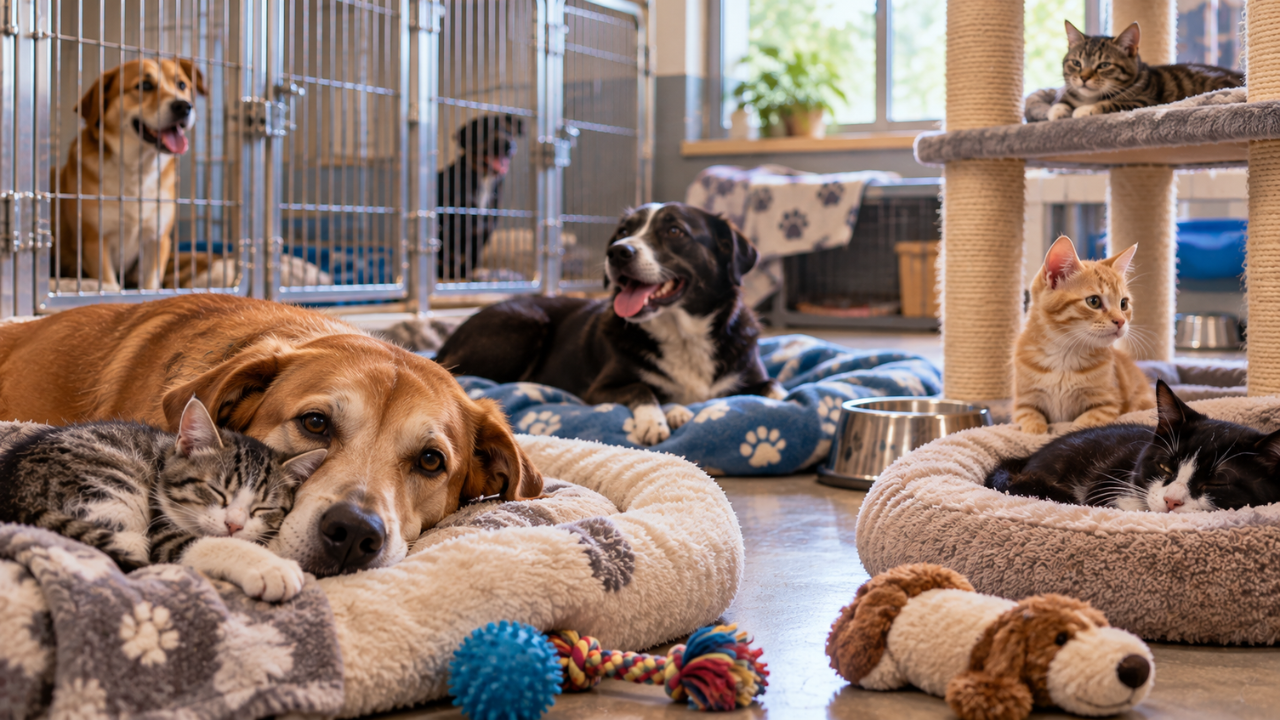

Wild Tunes is changing the lives of shelter animals across the country, thanks to the vision of a remarkable young musician. Animal shelters can be intensely stressful environments for dogs, cats, and other pets awaiting permanent homes. The constant noise, unfamiliar smells, and confinement often lead to high anxiety levels, which can make it harder for animals to showcase their true personalities to potential adopters. Recognizing this critical issue, 12-year-old Yuvi Agarwal launched an innovative non-profit organization designed to bring soothing melodies directly to rescue facilities.
Table of Contents
The Inspiration Behind Wild Tunes
The journey of Wild Tunes began not in a corporate boardroom, but in a living room where young Yuvi noticed a profound behavioral shift in his own pet. While practicing his keyboard, Yuvi observed that his dog immediately stopped pacing, lowered its body, and fell into a deep, relaxed sleep whenever the gentle tunes filled the room. Intrigued by this reaction, the young visionary began researching the broader psychological and physiological effects of sound and melody on animals.
Understanding that rescue animals experience chronic stress, Yuvi wondered if live instruments could provide the same comforting effect to shelter pets. This realization sparked the creation of Wild Tunes, an initiative built on empathy, community service, and the universal language of music. By connecting local instrumentalists with regional shelters, the organization creates a harmonious environment that benefits both two-legged and four-legged participants alike.
Canine and Feline Reactions to Sound
Scientific studies have long supported the idea that certain genres of music can lower heart rates and reduce cortisol levels in mammals. Classical arrangements, soft jazz, and gentle acoustic guitar melodies have proven particularly effective in masking harsh shelter noises, such as echoing barks and slamming metal doors. When volunteer musicians play softly near enclosures, pets frequently exhibit calmer body language, lower their heads, and show increased receptiveness to human interaction.
How Music Soothes Rescue Pets
Life inside a rescue facility presents constant sensory overload. For many animals, this environment triggers a continuous fight-or-flight response. Wild Tunes addresses this challenge by introducing live, organic sounds into sterile spaces. Unlike recorded white noise or radio broadcasts, live performances offer a dynamic, breathing human presence that helps bridge the gap between isolation and socialization.
- Stress Reduction: Live melodies lower anxiety and minimize destructive cage behaviors.
- Positive Association: Pets learn to associate the presence of humans with calm, peaceful experiences rather than fear or uncertainty.
- Enhanced Socialization: Relaxed animals interact more warmly with shelter staff and prospective families.
The Growth of the Non-Profit
What started as a localized idea has quickly blossomed into a multi-state movement. Driven by passionate youth volunteers and supported by animal welfare advocates, Wild Tunes now operates in numerous rescue centers. Organizers carefully coordinate performance schedules to ensure that the music remains a comforting addition rather than an overwhelming disruption to the daily shelter routine.
Shelter directors have praised the program for transforming the overall atmosphere of their facilities. Days that typically feature chorus lines of anxious barking are replaced with serene afternoons where animals nap peacefully in the sunlight. This noticeable shift drastically improves the daily quality of life for animals waiting for their forever homes.
Benefits for Volunteer Musicians
While the primary goal of Wild Tunes is to comfort rescue animals, the initiative also yields profound developmental benefits for the human participants. Young musicians and adult volunteers alike build incredible confidence as they perform in unique settings. Sharing their artistic talents for a charitable cause fosters a deep sense of community responsibility and empathy.
| Participant Role | Primary Activity | Key Benefit |
|---|---|---|
| Founders & Coordinators | Organizing shelter visits and schedules | Leadership and logistical experience |
| Volunteer Musicians | Performing acoustic sets for pets | Performance confidence and community impact |
| Shelter Staff | Facilitating animal placement | Improved facility atmosphere and higher adoption rates |
Boosting Adoption Rates through Melody
Perhaps the most exciting outcome of the Wild Tunes program is its direct correlation with successful adoptions. When potential pet parents walk into a shelter and encounter calm, well-adjusted animals rather than frantic, stressed pets, the adoption experience changes entirely. Relaxed dogs and cats put their best paws forward, making it much easier for visitors to form genuine connections and find their ideal household companions.
Conclusion
The remarkable success of Wild Tunes proves that compassion knows no age limits. Through the simple yet powerful act of sharing live music, 12-year-old Yuvi Agarwal has created a sustainable initiative that eases animal anxiety, inspires young musicians, and accelerates pet adoptions. As the organization continues to expand its geographic reach, it stands as an inspiring reminder of how individual creativity can solve community challenges and bring harmony to the lives of vulnerable animals.