
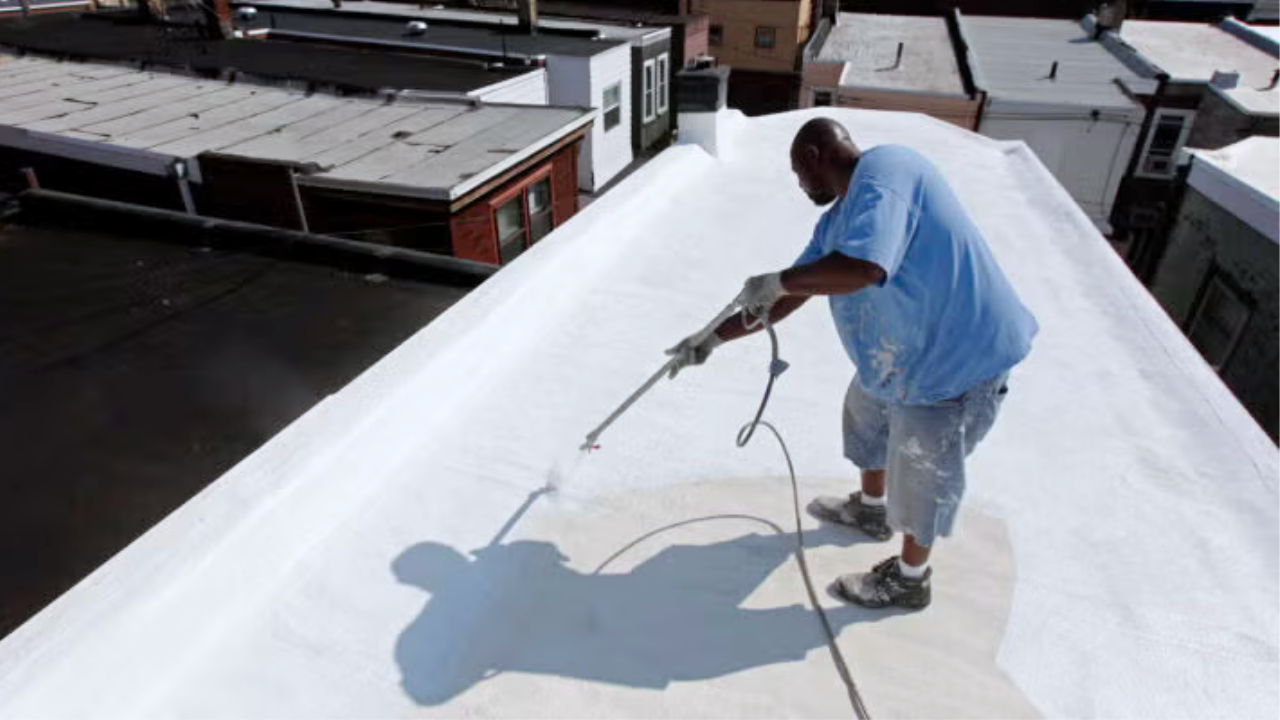

Urban heat islands present a growing challenge for modern cities, making white roofs an essential strategy for climate resilience. Philadelphia recently completed an impactful initiative to install reflective white roofs on the homes of 340 low-income seniors. This project demonstrated remarkable results, reducing indoor temperatures and easing financial burdens for vulnerable populations.
Table of Contents
Understanding Urban Heat Islands
Cities around the world face the urban heat island effect, where dense concentrations of pavement, buildings, and other surfaces absorb and retain heat. Traditional dark roofs exacerbate this issue by soaking up solar radiation and transferring thermal energy into the living spaces below.
During intense summer heatwaves, indoor temperatures can reach dangerous levels, particularly for elderly residents who may lack adequate air conditioning or financial resources to run cooling systems continuously. Addressing this issue requires innovative municipal interventions.
The Science of Reflective Surfaces
Reflective roofing materials work by bouncing sunlight back into the atmosphere rather than absorbing it. While standard dark roofing materials can reach temperatures of 150°F or more in direct summer sun, white or highly reflective coatings can stay significantly cooler, altering the thermal dynamics of the entire building.
The Philadelphia White Roofs Initiative
To combat rising summer temperatures, Philadelphia launched a targeted program focused on vulnerable residents. The city equipped 340 homes belonging to low-income seniors with specialized reflective white roofs. This program aimed to protect older adults from heat-related illnesses while lowering their utility bills.

Local officials selected participants based on income levels and medical vulnerability to extreme heat. The installations were fully funded, ensuring that financial constraints did not prevent seniors from receiving this critical upgrade.
Energy Savings and Temperature Drops
The results of the Philadelphia project exceeded expectations, proving the practical value of reflective coatings. Indoor temperatures in the modified homes dropped by an average of 5°F during peak summer months.
This cooling effect translated into substantial energy savings. Participating households saved approximately 560 kWh of electricity annually on air conditioning alone. These savings ease the financial strain on fixed-income seniors while reducing strain on the local power grid.
Data Overview
| Metric | Recorded Result |
|---|---|
| Homes Upgraded | 340 senior households |
| Temperature Reduction | 5°F indoor drop |
| Annual Energy Savings | 560 kWh per home |
Broader Environmental and Economic Impacts
Beyond individual comfort and utility savings, widespread adoption of white roofs contributes to city-wide temperature reduction. When multiple buildings implement reflective surfaces, the ambient temperature of the surrounding neighborhood decreases.
Furthermore, reduced electricity consumption lowers carbon emissions associated with power generation. Programs like this highlight how practical municipal policies can simultaneously address climate change, public health, and economic inequality.
Conclusion
The success of the Philadelphia initiative underscores the importance of proactive urban cooling strategies. By installing white roofs on senior homes, the city successfully lowered indoor temperatures and reduced energy consumption. As urban areas continue to warm, expanding such programs will be vital for protecting vulnerable communities and building sustainable cities.