

Table of Contents
Introduction
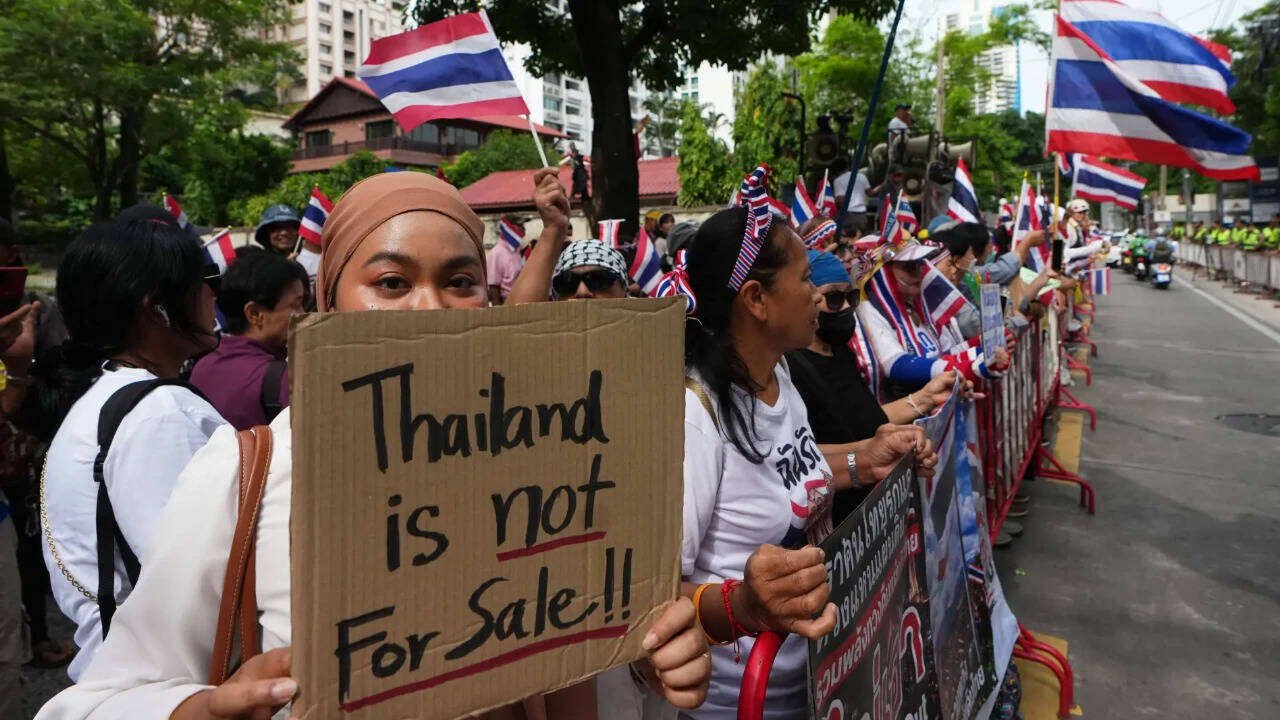
Protests in Bangkok have emerged as a significant point of discussion regarding international relations and local sovereignty. Recently, demonstrators gathered outside the Israeli embassy, voicing concerns and demanding that foreign entities respect national regulations. This event highlights the delicate balance between safeguarding the freedom of expression and maintaining public order within host nations. As geopolitical tensions ripple globally, local authorities face unique challenges in managing foreign missions and domestic demonstrations alike.
Background of Diplomatic Tensions
The geopolitical landscape across the globe often influences local sentiment in various host countries. Foreign embassies serve as sovereign diplomatic outposts, yet they operate within the territorial jurisdiction of the host government. This dual nature frequently gives rise to friction, especially during periods of heightened international conflict. Understanding the root causes of these demonstrations requires examining how global events resonate within Southeast Asian nations, where neutrality and diplomatic balance have historically been prioritized.
International Relations in Southeast Asia
Southeast Asian nations maintain diverse foreign policies that often navigate complex alliances. Thailand, known for its strategic diplomacy, frequently hosts various diplomatic missions. However, external conflicts can easily spark localized debates, bringing geopolitical issues directly to urban streets.
The Protests in Bangkok
The recent demonstration outside the Israeli embassy drew a notable crowd of participants expressing grievances related to ongoing international disputes. Chants and placards emphasized local sovereignty, with many banners urging foreign entities to adhere strictly to regional laws and customs. Law enforcement agencies deployed personnel to secure the perimeter, ensuring that the assembly remained peaceful while protecting diplomatic property.
Key Highlights of the Demonstration
- Gathering location: Outside the embassy premises in the capital.
- Primary message: Calls for mutual respect and adherence to local legal frameworks.
- Security response: Heavy police presence to maintain public order.
Legal and Security Implications
Hosting foreign missions involves strict adherence to the Vienna Convention on Diplomatic Relations, which mandates the protection of embassy grounds. At the same time, domestic legislation guarantees certain rights regarding peaceful assembly. Balancing these obligations requires careful navigation by local law enforcement. Authorities continuously evaluate security protocols around sensitive diplomatic locations to prevent escalation and ensure the safety of both diplomatic personnel and local citizens.
Conclusion
The recent demonstrations outside the Israeli embassy in Bangkok underscore the complex intersection of foreign policy, domestic activism, and public safety. As global events continue to influence local populations, maintaining open dialogue and strict adherence to the rule of law remains paramount for all parties involved.