

Table of Contents
- Introduction
- Rahul Gandhi PM Candidacy and Alliance Dynamics
- Evaluating Actor Vijay’s Political Ambitions
- The Broader Tamil Nadu Political Landscape
- Conclusion
Introduction
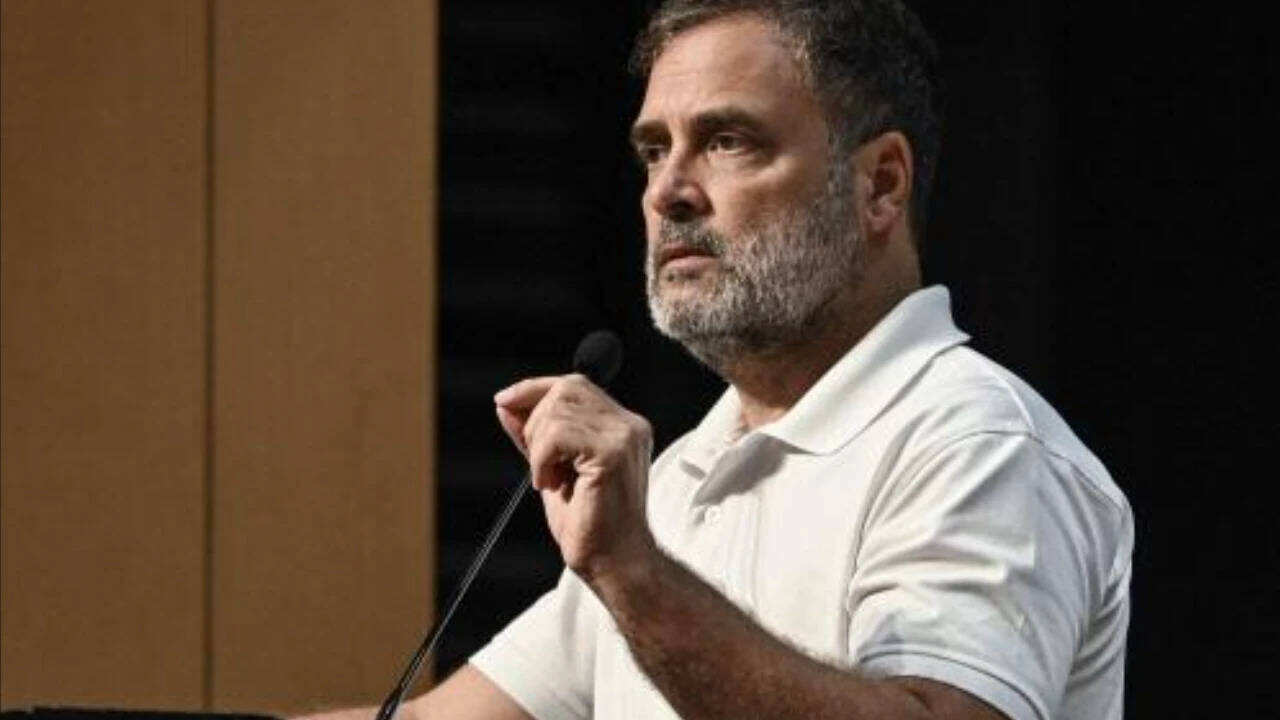
Rahul Gandhi PM candidacy discussions have once again taken center stage in South Indian politics. A senior cabinet member in Tamil Nadu has strongly reaffirmed support for the national leader, positioning him as a premier choice for the country’s top executive office. At the same time, regional political calculus continues to shift rapidly with the entry of new cinematic and electoral players. As parties prepare for upcoming electoral cycles, understanding these evolving alignments provides essential insight into the shifting dynamics of Indian federalism and regional coalition-building.
Rahul Gandhi PM Candidacy and Alliance Dynamics
The persistent backing from southern allies highlights a strategic effort to solidify national opposition unity. Regional leaders frequently emphasize the importance of inclusive governance and federal respect, core themes often highlighted by the national opposition block. Political analysts note that projecting a unified prime ministerial face helps streamline campaigning efforts against incumbent majorities.
Evaluating Coalition Strength
Building a cohesive national coalition requires delicate negotiations among diverse regional factions. Key elements of this strategy include:
- Maintaining state-level autonomy while presenting a unified national agenda.
- Addressing regional economic priorities in the central manifesto.
- Bridging ideological gaps among disparate state parties.
Evaluating Actor Vijay’s Political Ambitions
Amidst ongoing discussions regarding national leadership, the political ambitions of popular actor-turned-politician Vijay have generated significant public curiosity. However, ruling coalition figures in Tamil Nadu have publicly downplayed his immediate viability as a prime ministerial or major governmental contender. Establishing a statewide political footprint demands grassroots organization, policy depth, and sustained electoral endurance beyond mere cinematic popularity.
Challenges Facing New Political Entrants
Entering the complex arena of Indian elections poses severe hurdles for novice organizations. The transition from fan clubs to a dedicated cadre requires:
- Extensive ground-level infrastructure across rural and urban constituencies.
- Clear policy manifestos addressing agriculture, employment, and local governance.
- Proven resilience against well-established Dravidian and national parties.
The Broader Tamil Nadu Political Landscape
Tamil Nadu has historically maintained a distinct political identity defined by strong regional parties and ideological movements. The current administration balances regional governance with active participation in national coalitions. This dual focus ensures that local welfare schemes remain prominent while contributing to broader federal discussions.
Comparative Political Overview
| Political Entity | Primary Strategy | Electoral Focus |
|---|---|---|
| Dravidian Majors | Social justice and state autonomy | Local dominance |
| National Allies | Federal coalition and national leadership | Inclusive growth |
| New Entrants | Voter discontent and change | Disruptive mobilization |
Conclusion
The recent statements by Tamil Nadu ministers underscore the calculated positioning of opposition forces looking toward future national elections. While enthusiastic backing for national figures strengthens alliance cohesion, dismissing unproven entrants highlights the pragmatic nature of regional politics. As campaigns unfold, the interplay between established leadership and emerging challengers will shape the trajectory of Indian democracy.