

Table of Contents
Introduction
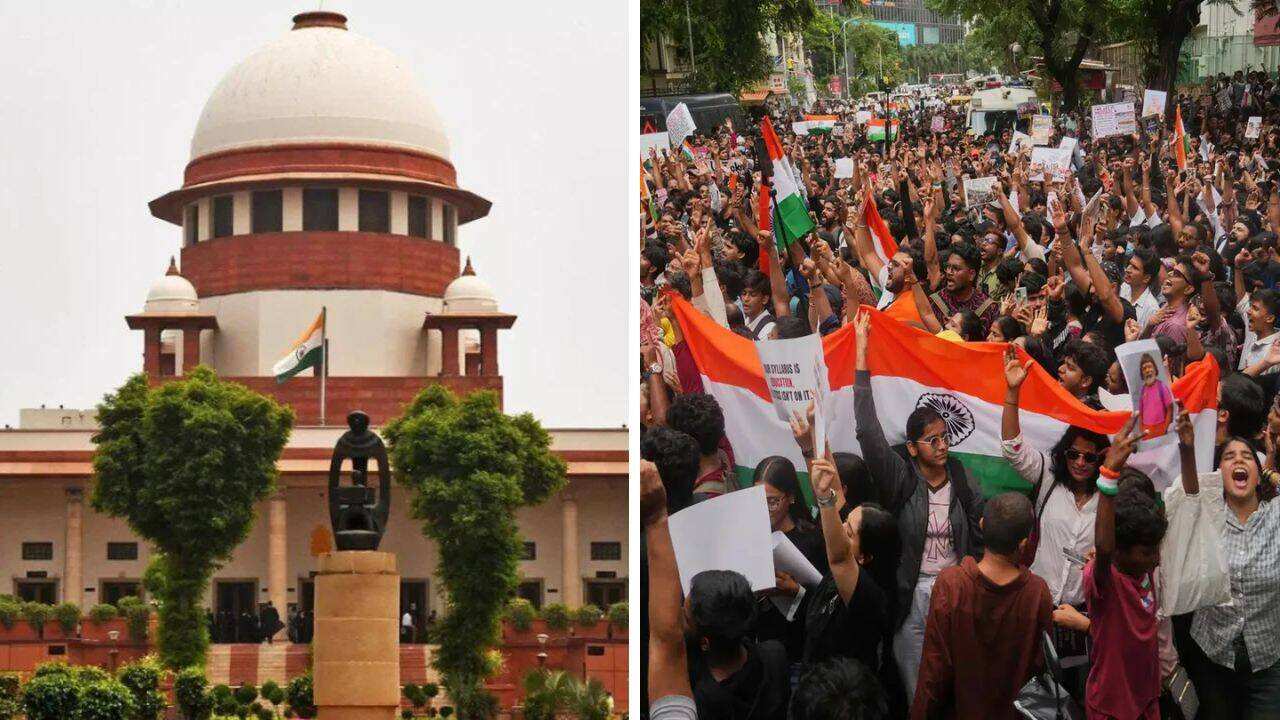
Child intimidation cases have increasingly become a focal point of legal scrutiny, prompting higher judicial bodies to intervene when minor children are dragged into public disputes. Recently, the Supreme Court made strong observations regarding a legal complaint filed by a Citizens for Justice and Peace (CJP) protester against a prominent social media influencer. The bench firmly stated that individuals cannot browbeat a child, setting a crucial precedent for online behavior and civil activism.

This case highlights the complex intersection of digital influence, public protests, and the legal protections afforded to minors. As online spaces become more polarized, the judiciary continues to emphasize that children must remain shielded from harassment, intimidation, and targeted online campaigns.
Background of the Dispute
The Genesis of the Conflict
The controversy began during a series of demonstrations organized by members and supporters of organizations like the Citizens for Justice and Peace. Protests often attract intense public attention, leading to heated exchanges both on the ground and across digital platforms. In this instance, a protester alleged that a well-known social media influencer engaged in intimidation tactics that unlawfully crossed the line into harassment.
Crucially, the allegations extended beyond the adult protesters, touching upon the involvement and targeting of a minor child associated with the protesting party. This escalation transformed a standard dispute over public demonstration ethics into a sensitive legal battle concerning child protection and online accountability.
Involvement of Digital Influencers
Social media influencers wield significant reach, capable of mobilizing large audiences within minutes. However, this power comes with increased responsibility. When online personalities direct their followers toward specific individuals or families, the resulting digital pile-ons can cause severe emotional and psychological distress, particularly when minors are inadvertently or deliberately pulled into the fray.
Supreme Court Observations on Child Intimidation
During the proceedings, the Supreme Court bench did not mince words regarding the treatment of minors in public controversies. The justices addressed the core issue of child intimidation directly, noting that public discourse and ideological disagreements must never resort to threatening behavior directed at vulnerable family members.
- Minors must be protected from adult disputes and online harassment.
- Influencers and activists alike are held to standards of responsible conduct.
- Legal avenues exist to penalize those who cross ethical boundaries during public protests.
The court’s stance serves as a stern reminder that freedom of expression does not grant immunity against harassment charges, especially when minors are targeted.
Legal Framework and Implications
To understand the broader impact of this ruling, one must examine existing legal protections safeguarding children against intimidation. Jurisdictions generally view the targeting of minors as an aggravating factor in any harassment or cyberbullying complaint.
| Aspect | Details |
|---|---|
| Complainant | CJP Protester |
| Respondent | Social Media Influencer |
| Core Issue | Child Intimidation & Harassment |
| Judicial Stance | Strict protection of minors |
For more insights on related legal frameworks, you can review our detailed guides on legal updates and cyber safety for minors.
Conclusion
In conclusion, the Supreme Court’s remarks on child intimidation mark a significant milestone in balancing free speech with the protection of minors. By asserting that children cannot be browbeat in ideological or political disputes, the judiciary has sent a clear message to influencers and activists alike. Responsible digital citizenship requires restraint, respect, and above all, the exclusion of children from adult conflicts.