

Table of Contents
Introduction to Desert Restoration
Arizona desert restoration stands as a powerful testament to what dedicated community action can achieve over time. For over a decade and a half, environmental conservationists and local volunteers have worked tirelessly to heal a severely degraded landscape. What was once dominated by choking invasive grasses has been successfully transformed into a thriving ecosystem supporting over 133 native plant species.

The Invasive Grass Threat
Before the comprehensive restoration initiatives began, the regional ecosystem faced critical challenges from aggressive foreign plant species. Invasive grasses choked out vital resources, preventing native flora from establishing root systems. These non-native intruders drastically increased wildfire risks, permanently altering the natural balance of the arid landscape.
Understanding the Ecological Impacts
Ecosystem disruptions caused by invasive weeds create cascading failures throughout the food web. Native wildlife depends entirely on indigenous plants for sustenance and shelter. Addressing this imbalance required a strategic, long-term commitment from environmental scientists and community organizers.
16 Years of Dedicated Volunteer Effort
Healing a damaged environment requires profound patience and physical labor. Spanning 16 years, thousands of volunteers dedicated their weekends and free time to manually remove invasive plants, plant native seeds, and monitor soil moisture levels.
Key Phases of the Recovery Project
- Phase 1: Initial assessment and manual removal of dominant invasive grasses.
- Phase 2: Reintroduction of resilient native seed banks and stabilization of topsoil.
- Phase 3: Ongoing irrigation support during severe drought cycles.
- Phase 4: Long-term ecological monitoring and biodiversity indexing.

133 Native Plant Species Return
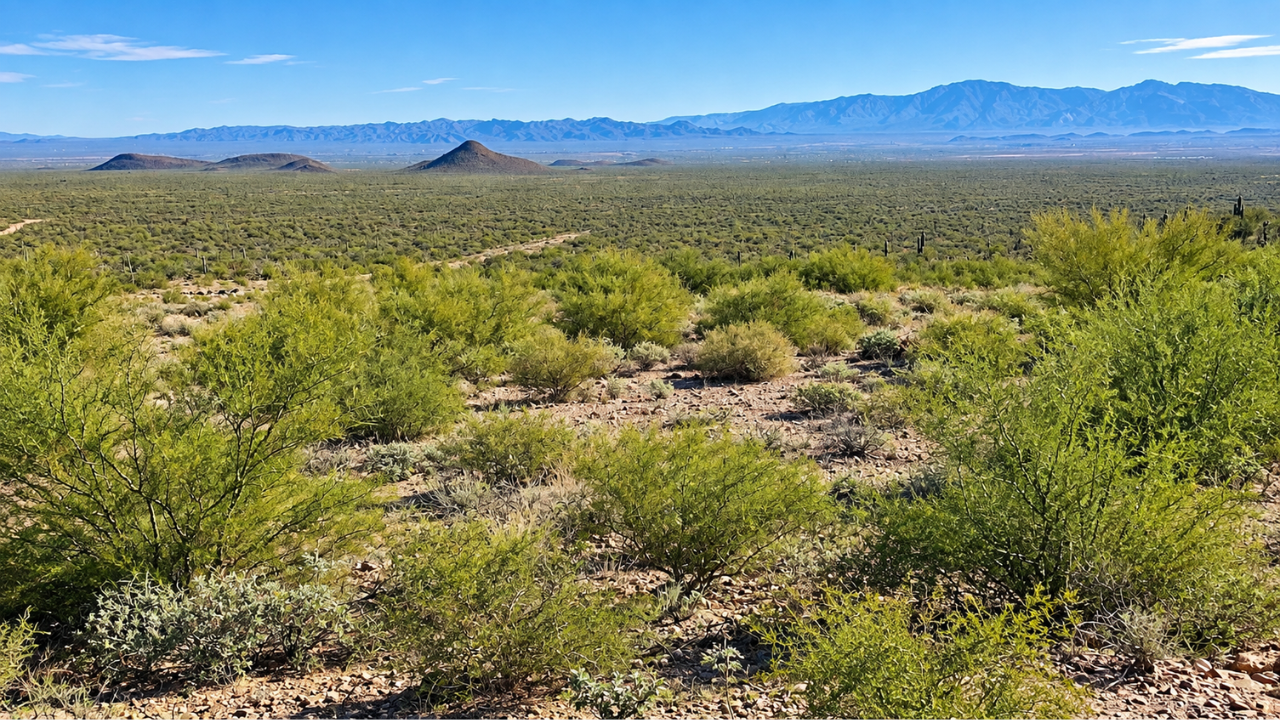
Today, the results speak for themselves. Comprehensive botanical surveys confirm that 133 distinct native plant species now flourish across the once-barren terrain. Cacti, wildflowers, and native shrubs have re-established stable populations, creating a vibrant, resilient natural habitat.
Biodiversity Growth Metrics
| Metric | Before Restoration | Current Status |
|---|---|---|
| Native Plant Species | Minimal / Negligible | 133 Thriving Species |
| Invasive Grass Coverage | Over 80% of Landmass | Controlled Under 10% |
| Pollinator Activity | Extremely Low | High and Diverse |
Broader Ecological Impact
The success of this conservation milestone extends far beyond botany. Returning native plants have invited back essential pollinators, birds, and small mammals. This project proves that community-led environmental stewardship can reverse severe ecological degradation.

Conclusion
The remarkable transformation achieved through Arizona desert restoration highlights the extraordinary impact of persistent grassroots environmentalism. By replacing invasive weeds with native flora, volunteers have secured a healthier, more biodiverse future for the region, offering a proven blueprint for ecological recovery worldwide.