
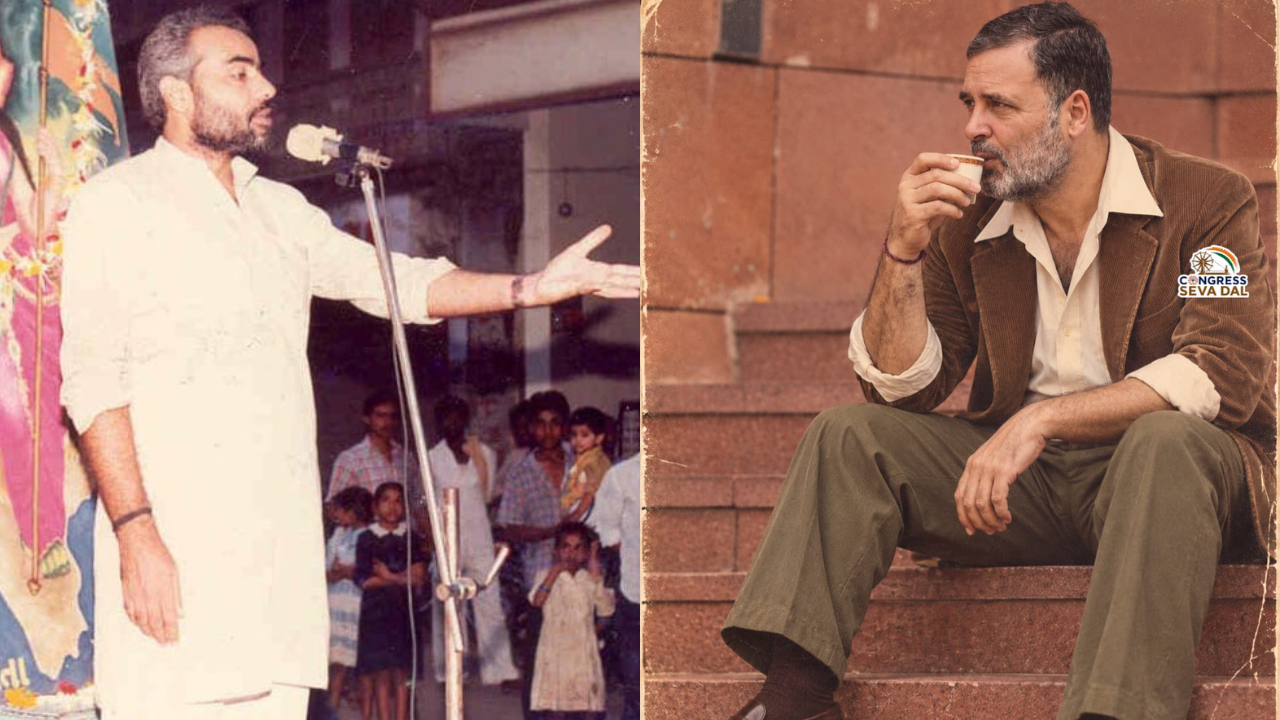

Political AI meme war has transformed the digital landscape of Indian politics, changing how major parties communicate with younger demographics. As artificial intelligence tools become more accessible, political entities increasingly adopt generative technologies to shape public perception. By transforming contemporary politicians into vibrant 1980s portraits, creative digital teams have successfully launched an innovative wave of political satire.
Table of Contents
The Rise of Retro AI in Politics
The intersection of technology and political campaigning is not entirely new, but the velocity of current social media trends marks a distinct shift. Generative artificial intelligence allows campaigns to bypass traditional graphic design timelines, producing viral content within minutes. The 1980s aesthetic, characterized by grainy textures, vintage color grading, and nostalgic styling, creates an approachable persona for leaders.
Voters often perceive career politicians as distant or overly formal. Retro portrait filters soften these rigid images, inviting public engagement through humor rather than policy debates alone. Consequently, digital strategists treat meme generation as a core competency rather than a secondary task.
Why Nostalgia Drives Engagement
Nostalgia marketing consistently proves effective across commercial sectors, and political campaigns have adopted similar psychological triggers. By wrapping current figures in retro aesthetics, parties evoke a sense of shared cultural memory. This strategy bridges generational divides, appealing both to older voters who remember the era and younger citizens fascinated by vintage aesthetics.
BJP and Congress Enter the Meme Arena
Major national parties have quickly capitalized on the cultural fascination with vintage aesthetics. Prominent figures within the Bharatiya Janata Party (BJP), including Union Ministers Piyush Goyal and Kiren Rijiju, embraced the digital wave by sharing stylized archival-style portraits. These uploads generated substantial user engagement, proving that high-ranking officials benefit from participating in lighthearted internet culture.
Conversely, the opposition has not lagged behind. Congress leader Rahul Gandhi and affiliated social media handles utilized similar generative tools to construct contrasting narratives. Rather than ceding the digital humor space to ruling party handlers, opposition digital teams answered with their own creative interpretations, sparking an ongoing digital back-and-forth.
Tactical Differences in Messaging
While both sides utilize identical visual technologies, the underlying messaging differs significantly:
- Ruling Party Strategy: Focuses heavily on approachability, stability, and historical continuity combined with modern capability.
- Opposition Strategy: Emphasizes relatability, alternative leadership visions, and sharp satirical commentary on current governance.
Impact on Political Communication
The reliance on AI-generated satire underscores a broader evolution in political discourse. Traditional speeches and manifesto rollouts remain essential, but digital punchlines frequently dictate the daily news cycle. When an edited portrait or a humorous video goes viral, it often receives more organic reach than formal press releases.
However, this trend also introduces challenges regarding authenticity and misinformation. As deepfakes and advanced image generation become mainstream, distinguishing between official humorous posts and deceptive media requires heightened media literacy among the electorate.
Conclusion
The integration of retro artificial intelligence filters into modern political warfare demonstrates the adaptability of contemporary campaigns. As digital strategists continue exploring generative tools, humor and nostalgia will likely remain central pillars of voter outreach. Ultimately, this playful exchange proves that winning elections in the digital age requires not only solid policies but also the ability to command the online conversation.