
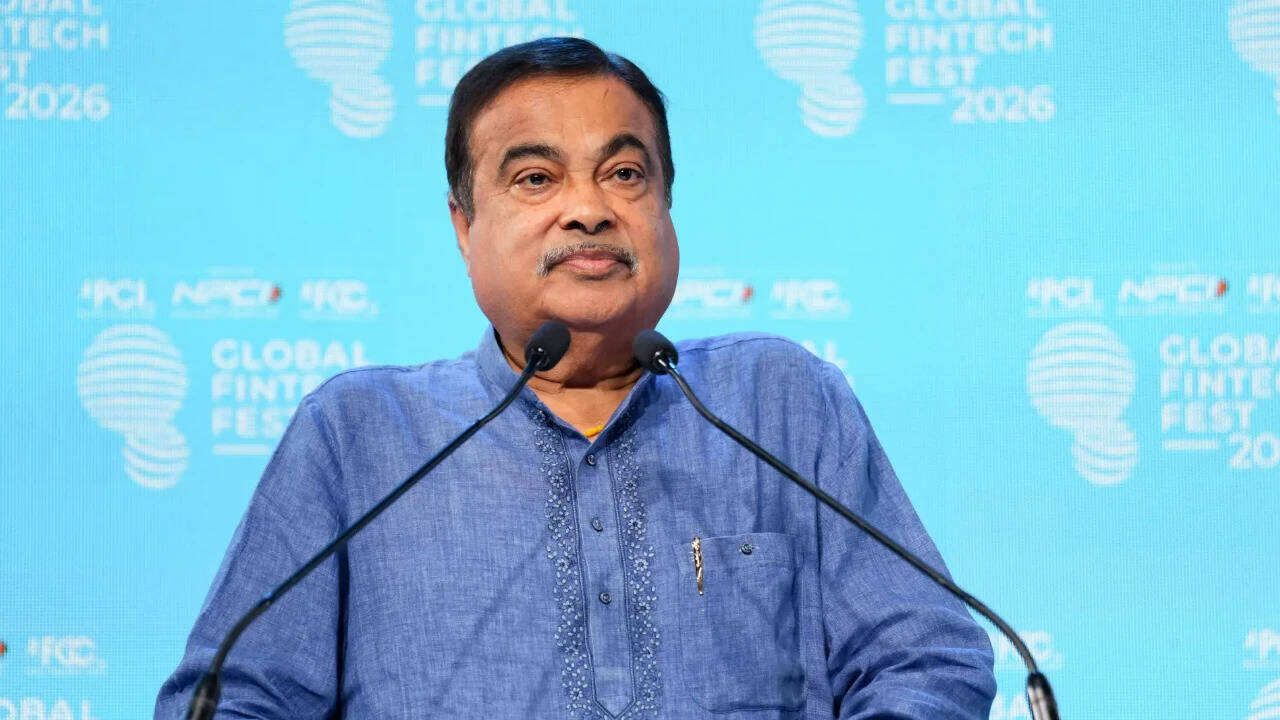

Barrier-free toll plazas are officially slated to reshape India’s massive highway network by early 2027, introducing an unprecedented era of seamless travel for millions of motorists. Union Minister for Road Transport and Highways, Nitin Gadkari, recently outlined the ambitious timeline for phasing out traditional highway booths. This upcoming transformation relies heavily on cutting-edge technologies, merging the current electronic collection framework with advanced automatic number-plate recognition.
Table of Contents
The Evolution of the Indian Toll System
Over the past decade, India has witnessed a monumental shift in how highway fees are gathered. The introduction of electronic collection mechanisms drastically reduced the reliance on cash transactions, minimizing queues at major interstate corridors. However, physical barriers and dedicated lanes still cause occasional bottlenecks during peak travel hours.
Despite the massive success of current electronic stickers, the government recognizes the urgent need for a completely frictionless experience. Commuters often complain about lingering delays caused by traffic congestion near entry and exit checkpoints, prompting transport authorities to pursue a global-standard solution.
Limitations of Traditional Lanes
Traditional highway gates require vehicles to slow down significantly or come to a complete stop, even when using electronic payment stickers. This mechanical limitation restricts overall traffic throughput and increases fuel consumption during acceleration and deceleration phases.
How Barrier-Free Technology Works
The upcoming infrastructure upgrade eliminates physical booms and barriers entirely. Instead, overhead gantries equipped with sophisticated optical sensors and high-speed cameras will scan moving vehicles.
- Automatic number-plate recognition cameras capture vehicle identification data at highway speeds.
- Seamless integration with existing digital wallet architectures ensures instant fee deduction.
- The unified “One Tag” initiative consolidates various transit payments into a single, highly efficient account.
By removing physical gates, vehicles can maintain highway cruising speeds, drastically cutting down transit times across state borders and national highways.
Economic and Environmental Impact
The transition toward open-road tolling brings massive macroeconomic benefits. Reduced idling time at checkpoints translates directly to substantial savings in fossil fuels, significantly lowering national carbon emissions.
| Parameter | Current System | Upcoming Barrier-Free System |
|---|---|---|
| Average Speed at Booth | 10-20 km/h | Highway Cruising Speed |
| Fuel Wastage | High due to idling | Minimal |
| Queue Wait Times | Moderate to High | Non-existent |
Logistics companies will experience faster turnaround times for commercial freight, lowering the overall cost of goods transportation across the country. Improved supply chain efficiency serves as a vital catalyst for broader economic growth.
Challenges and Implementation Roadmap
Transitioning an entire national highway grid requires careful planning and robust enforcement mechanisms. Ensuring universal compliance with number-plate standards remains a critical priority for transport authorities.
Addressing Number-Plate Accuracy
High-speed optical readers demand standardized, clearly visible registration plates on all automobiles. Strict enforcement of high-security registration plates across older vehicle fleets is currently underway to support the digital rollout.
Conclusion
The ambitious roadmap set for early 2027 marks a definitive milestone in India’s transport modernization journey. By embracing advanced digital identification and removing physical gates, the nation is poised to deliver a faster, cleaner, and vastly superior travel experience for every commuter.