

Table of Contents
Introduction
As preparations ramp up for the upcoming Brics Summit 2026, veteran Congress leader and former Union Minister P. Chidambaram has raised provocative questions regarding the tangible advantages such massive international gatherings bring to India. With New Delhi slated to host the high-profile diplomatic event, debates have sparked across political and economic circles concerning the actual return on investment of participating in and hosting major multilateral blocs.

Preparation and diplomatic strategy remain central themes ahead of the Brics Summit 2026.
Chidambaram’s Critique of the Brics Summit 2026
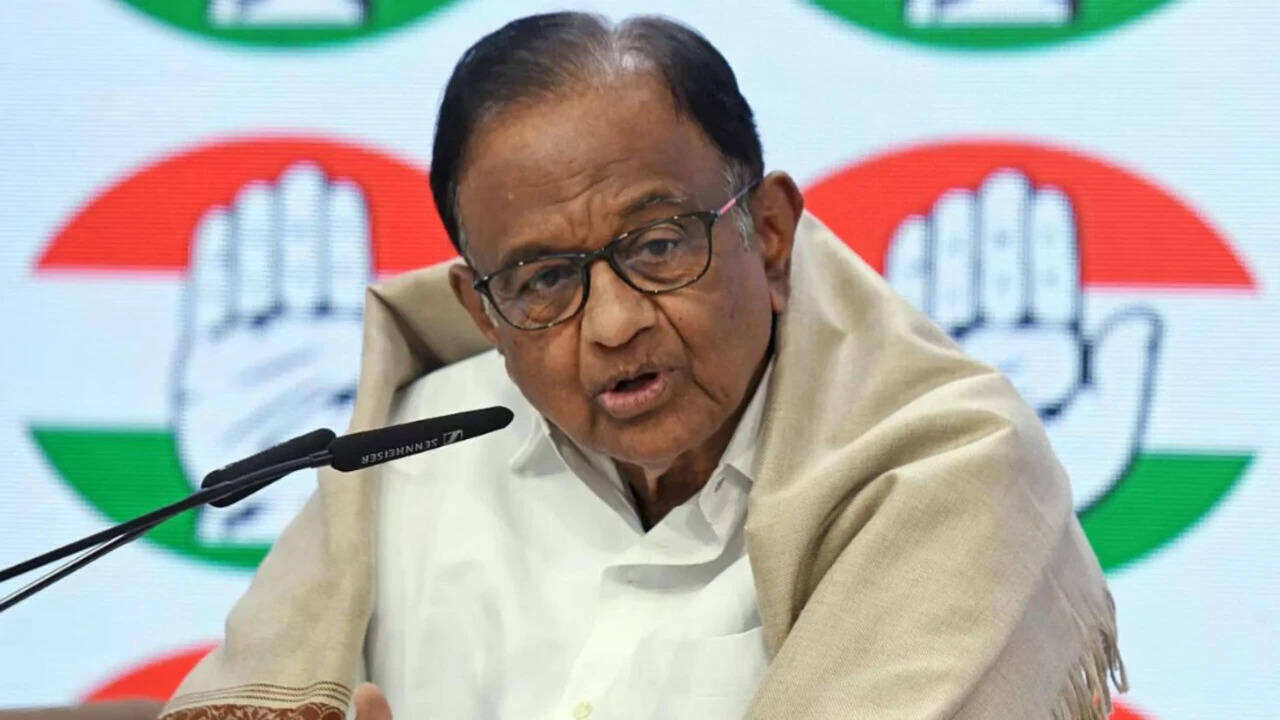
In a recent media interaction, P. Chidambaram expressed strong skepticism about the efficacy of contemporary international forums. Pointing directly toward the upcoming Brics Summit 2026, the senior opposition leader remarked that despite the arrival of numerous global heads of state, past iterations of these summits have failed to generate measurable, concrete gains for the Indian populace.
- Questioning the value of high-level diplomatic visits.
- Highlighting a perceived lack of tangible outcomes from recent summits.
- Challenging the broader economic utility of mega international groupings.
India’s Multilateral Diplomacy Context
To fully understand the weight of these criticisms, one must examine India’s broader foreign policy landscape. India has historically championed a policy of strategic autonomy, engaging proactively with multiple global alliances. Beyond BRICS, New Delhi maintains active memberships in groupings such as the Quad, G20, and the Shanghai Cooperation Organisation (SCO).
Balancing Competing Economic Blocs
Policymakers often argue that forums like the BRICS bloc offer crucial leverage in reforming global financial governance, reducing reliance on Western-dominated institutions, and fostering South-South cooperation. However, critics like Chidambaram contend that overlapping memberships dilute strategic focus and often yield endless communiqués rather than actionable economic policies.
Tangible Benefits vs. Diplomatic Prestige
Hosting events like the Brics Summit 2026 undeniably elevates a nation’s soft power and diplomatic prestige on the world stage. Yet, balancing this prestige with direct economic dividends remains an ongoing challenge for emerging economies.
| Arguments For Hosting | Arguments Against Hosting |
|---|---|
| Enhances global soft power and leadership image | High financial cost of organizing mega events |
| Provides a platform for bilateral sideline talks | Questionable direct economic impact for citizens |
| Promotes multipolar global governance | Potential dilution of core national security goals |
Conclusion
Ultimately, the critique surrounding the Brics Summit 2026 underscores a vital national debate over resource allocation, foreign policy priorities, and accountability in international diplomacy. While proponents view these summits as essential pillars of a multipolar world order, skeptical voices like P. Chidambaram demand clear, measurable outcomes that directly benefit the everyday lives of citizens.