

Table of Contents
Introduction
Buckhorn Creek dam removal marks a monumental victory for environmental conservation and river restoration. After remaining artificially blocked for more than a century, this vibrant waterway is finally flowing freely once again. Ecological restoration projects like this highlight a growing global commitment to undoing historical environmental damage, revitalizing local wildlife, and improving community recreational spaces.

Historical Context of the Dam
For roughly 125 years, an aging infrastructure barrier heavily altered the natural landscape. Originally constructed during the height of regional railroad expansion, the barrier served industrial purposes that superseded environmental health concerns. Over decades, however, the structure fell into disuse while continuing to cause profound ecological degradation upstream and downstream.
Stagnant waters, altered sediment transport, and elevated water temperatures became the norm. Recognizing these persistent environmental concerns, conservationists and local authorities banded together to plan a comprehensive dismantling project. Removing the obstruction was the only viable path to truly heal the fractured ecosystem.
Ecological Impact and Brook Trout Recovery
The return of natural water flow has already triggered remarkable environmental improvements. One of the most celebrated outcomes of the Buckhorn Creek dam removal is the anticipated recovery of native aquatic species.
Benefits for Aquatic Life
- Restored Migration Pathways: Fish and other aquatic organisms can now travel freely without physical barriers.
- Improved Water Quality: Fast-flowing water naturally oxygenates the stream, creating healthier conditions.
- Brook Trout Habitats: Cold-water species like brook trout heavily rely on swift, clear streams to thrive and reproduce.
Scientific monitoring indicates that water temperatures are already dropping to levels much more favorable for cold-water fish populations.
Modern Infrastructure: The New 90-Foot Bridge
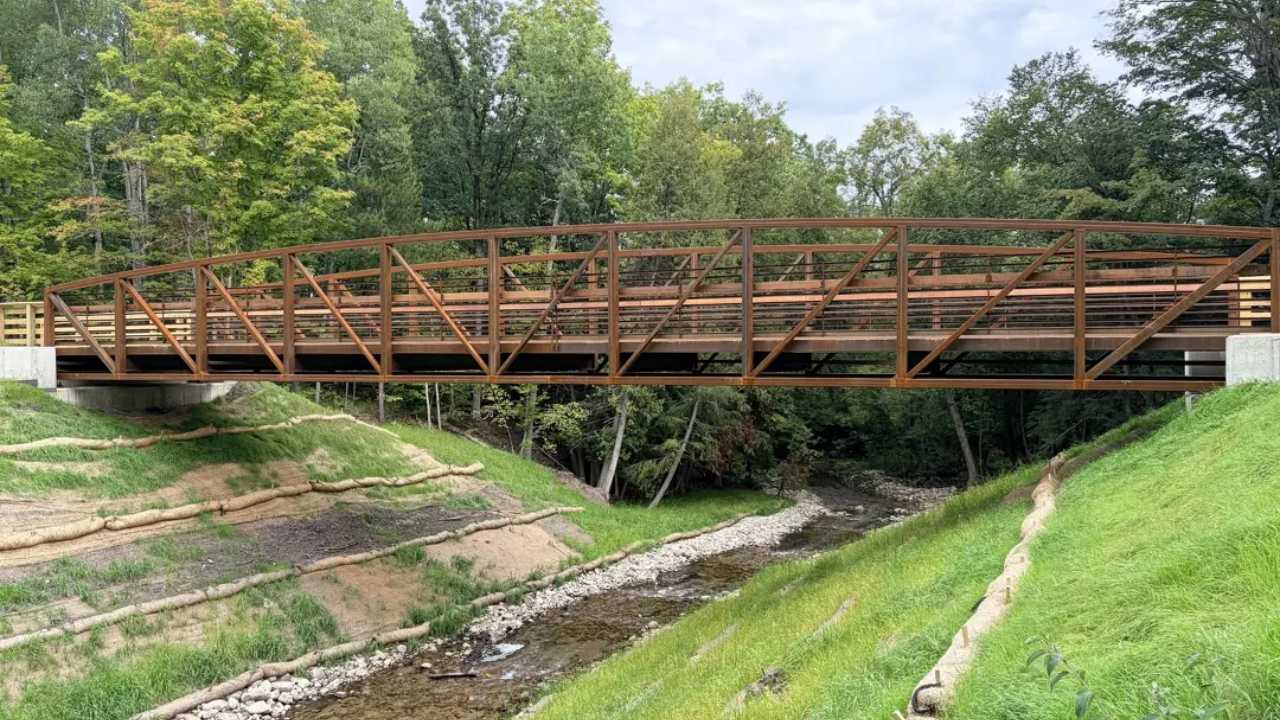
Alongside the environmental remediation, civil engineers completed a crucial infrastructure upgrade. A sleek, modern ninety-foot bridge now spans the waterway, seamlessly reconnecting local hiking routes and trail networks.
This new crossing ensures that outdoor enthusiasts, hikers, and nature lovers can safely traverse the area without disrupting the delicate ecological rehabilitation happening directly below them. It represents a balanced approach to modern land management—serving both human recreation and wildlife preservation.

Community Involvement and Native Plantings
Environmental recovery requires active community stewardship. Local volunteers have stepped up in a major way to support the final phases of the restoration project.
Volunteer Efforts
Dedicated community members are actively planting native trees and shrubs along the creek banks. These strategic plantings serve several vital functions:
- Soil stabilization to prevent severe erosion
- Natural shading to keep water temperatures cool
- Creation of terrestrial habitats for birds and pollinators
Conclusion
The successful completion of the Buckhorn Creek dam removal serves as an inspiring blueprint for similar ecological projects worldwide. By reconnecting fragmented habitats, fostering community engagement, and rebuilding vital infrastructure, projects like this demonstrate that damaged ecosystems can successfully recover when given the chance. As native flora takes root and aquatic species return, this transformed landscape will benefit both nature and people for generations to come.