
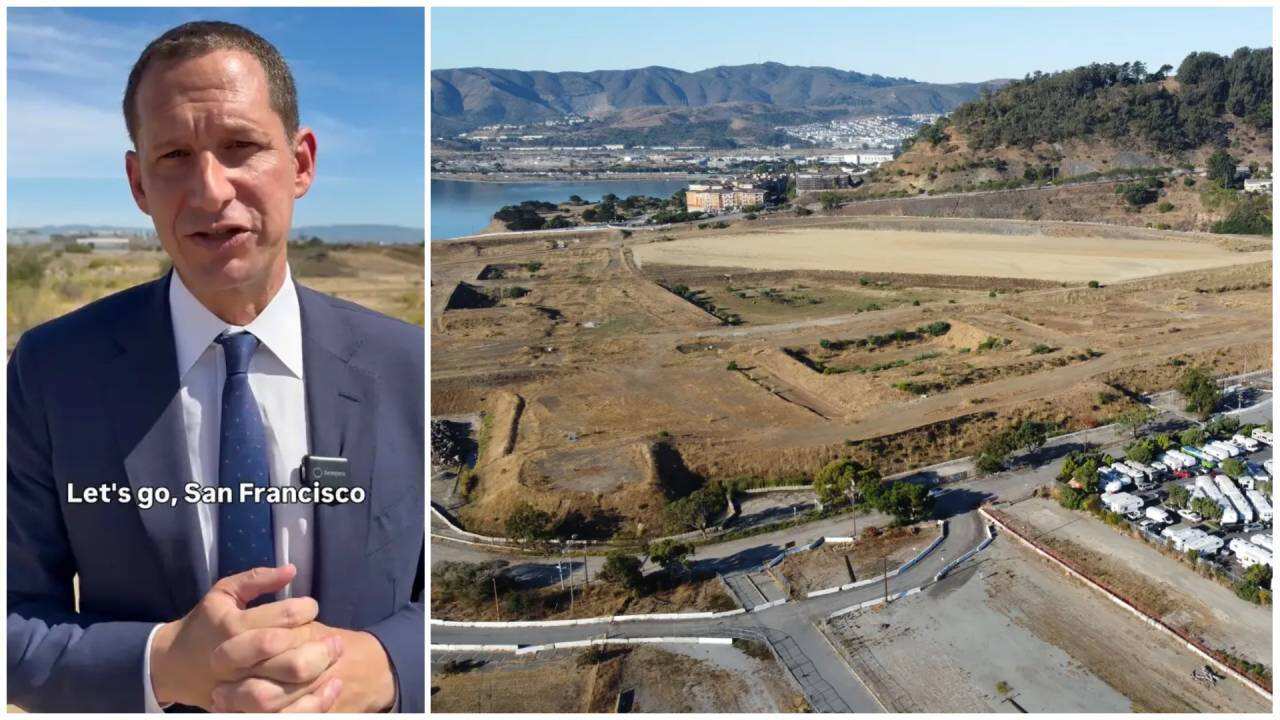

San Francisco real estate development has officially entered a transformative era as Candlestick Point redevelopment finally breaks ground nearly a decade after the iconic Candlestick Park stadium was demolished. This long-awaited $130 million initial phase marks a crucial turning point for a massive 270-acre waterfront area, setting the stage for a thriving new community that promises to reshape the local urban landscape and address regional housing demands.
Table of Contents
Historical Context of Candlestick Point
For generations, the southeastern shoreline of San Francisco was defined by sports history and roaring crowds. Candlestick Park served as the legendary home of the San Francisco 49ers and the San Francisco Giants, hosting historic cultural events and athletic milestones. However, following the departure of the professional sports teams and the eventual demolition of the stadium years ago, the vast property sat largely underutilized.
Urban planners recognized immense potential in the windswept peninsula. Proposals emerged to transform the concrete footprint into a vibrant, sustainable neighborhood. Despite early enthusiasm, regulatory hurdles, economic shifts, and infrastructural complexities caused prolonged delays. The community eagerly awaited a sign of physical progress, making the current groundbreaking a monumental milestone for city planners and local residents alike.
The $130M Infrastructure Investment
Transforming raw land into a functional urban center requires substantial groundwork. The newly initiated $130 million phase focuses entirely on foundational infrastructure across the expansive 270-acre site. Engineers and construction crews will lay down comprehensive road networks, modern utility lines, storm drainage systems, and high-capacity electrical grids.
Without these essential public works, vertical construction could not proceed. This strategic capital injection ensures that the future neighborhood will be fully integrated with the broader city grid, featuring sustainable engineering practices designed to withstand environmental challenges and sea-level fluctuations.
Key Infrastructure Components
- Comprehensive roadway grids to connect the peninsula to major transit corridors.
- Upgraded underground utilities including water, sewage, and high-speed fiber optics.
- Environmental remediation and grading across the 270-acre expanse.
- Resilient seawall and coastal protection enhancements.
Housing, Retail, and Community Impact
Once the foundational phase concludes, the overarching master plan will come to life. The project is slated to deliver up to 7,200 new residential units, significantly expanding housing options in San Francisco. A designated percentage of these homes will be reserved for affordable housing, aiming to alleviate the city’s persistent housing affordability crisis.
Beyond residential spaces, the mixed-use development incorporates vibrant retail corridors, commercial office spaces, extensive public parks, and recreational community facilities. Urban designers emphasize walkability and public transit access, ensuring that future residents enjoy a high quality of life with daily conveniences just steps from their front doors.
Future Outlook
The commencement of the Candlestick Point redevelopment signals renewed investor confidence in San Francisco’s urban core. While completing a project of this magnitude will take years of coordinated effort between private developers and municipal agencies, the physical movement on site offers tangible proof of progress. Stakeholders remain optimistic that the revitalization will breathe new life into the southeastern quadrant of the city.
Conclusion
The official groundbreaking of the Candlestick Point redevelopment represents a major milestone for San Francisco. By converting a historic sports relic into a dynamic 270-acre mixed-use community with up to 7,200 homes, the city takes a vital step toward meeting its future housing and economic goals. As the initial $130 million infrastructure phase progresses, the vision of a rejuvenated waterfront neighborhood finally becomes a reality.