

Table of Contents
Cricket rivalries have long extended beyond the boundary ropes, and modern digital platforms provide the ultimate arena for players and supporters to engage in witty exchanges. In a recent online interaction, a classic David Warner curfew dig ignited a fresh wave of humorous counter-attacks from England’s passionate supporters, showcasing the enduring playful hostility between Australian cricketers and the famous Barmy Army.
The Genesis of the Banter
Social media has transformed how athletes interact with fans and critique each other’s performances. What begins as casual online observation often snowballs into viral exchanges that captivate the global sporting community. The latest chapter in this digital playbook involved veteran Australian opening batsman David Warner turning his attention toward various cricketing talking points before locking horns with England’s most vocal supporters.
Known for his outspoken and entertaining personality both on and off the field, Warner decided to share his thoughts on current happenings in the sport. His initial remarks touched upon several lighthearted topics:
- Performance critiques of emerging international talent like Saim Ayub.
- Playful remarks regarding teammate Marnus Labuschagne and his prolonged century drought in international fixtures.
- Teasing references directed straight at English cricket culture and past controversies.
David Warner Curfew Dig and Social Media Escalation
The situation escalated quickly when the conversation turned toward historical tensions and touring protocols. Dropping a classic David Warner curfew reference, the dynamic left-hander poked fun at England’s historic strict team curfews and off-field discipline struggles during past overseas tours. This cheeky jab was aimed squarely at the Barmy Army, the organized group of English cricket enthusiasts who travel the world supporting their national side.

Such provocative comments are rarely ignored by the Barmy Army, an organization famous for its sharp wit, custom chants, and relentless social media presence. True to form, the English supporters wasted no time formulating a strategic response to undermine Warner’s confidence.
Fans Strike Back With the Stuart Broad Memes
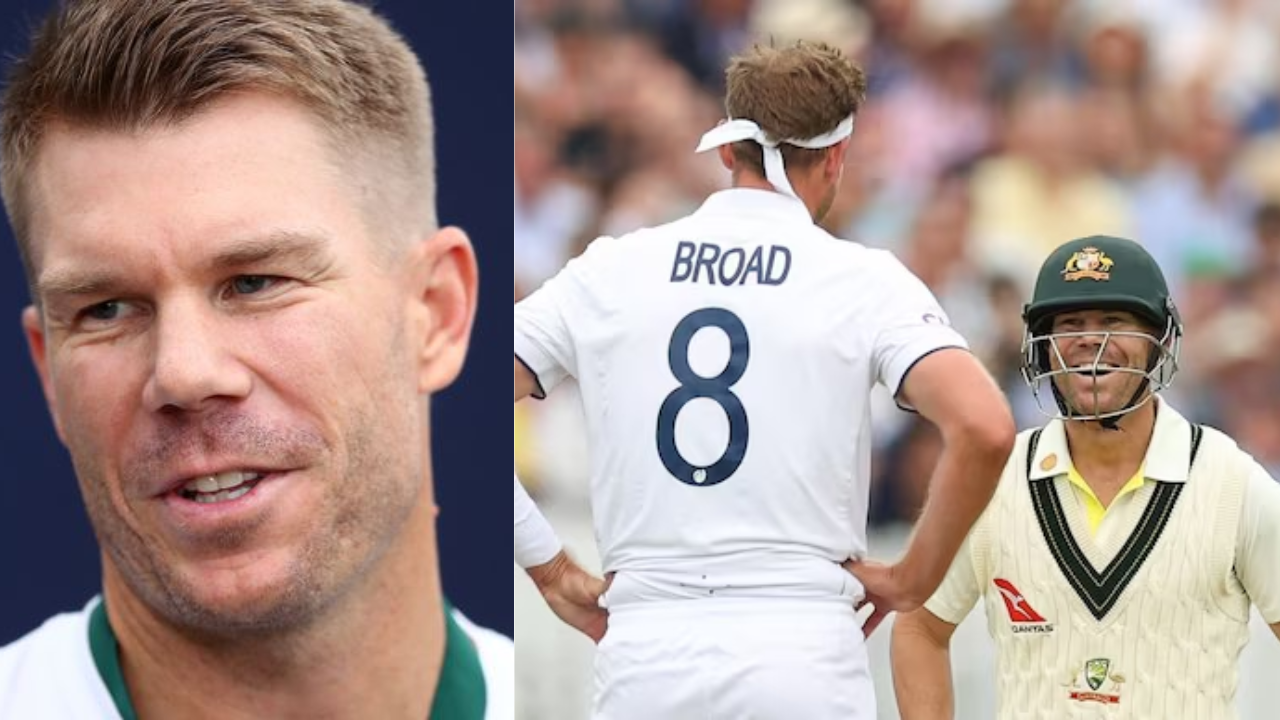
Rather than engaging directly with the curfew remarks, the Barmy Army retaliated by weaponizing one of the most famous tactical matchups in modern Test cricket history: Warner’s historic struggles against English fast-bowling legend Stuart Broad.
During multiple Ashes series, Broad famously had the wood over the aggressive Australian opener, dismissing him numerous times in quick succession, particularly during the 2019 Ashes tour in England. Fans flooded the comment sections with nostalgic clips, images, and memes highlighting Broad running in to dismiss Warner.
| Participant | Initial Jab / Response | Counter-Attack |
|---|---|---|
| David Warner | Mentioned player slumps and made a David Warner curfew joke. | Suggested fans find new material after getting burned. |
| Barmy Army | Absorbed the initial teasing. | Deployed viral Stuart Broad dismissal memes. |
Faced with an onslaught of reminders regarding his old nemesis, Warner handled the counter-attack with characteristic humor. He responded by suggesting that the supporters needed to update their material and find a fresh target now that Broad has officially retired from all forms of international cricket.
Broader Context of Cricket Rivalries
The light-hearted sparring between players and supporter groups highlights a healthy, entertaining side of international sportsmanship. While intense competition dictates the atmosphere on the pitch, modern athletes often embrace the entertainment value generated by digital interactions. These moments bridge the gap between fans and professionals, proving that a sense of humor remains a vital component of the sport.
Conclusion
Ultimately, the playful exchange involving the David Warner curfew jab and the subsequent Stuart Broad memes demonstrates how internet culture continues to shape modern athletic engagement. Both parties successfully entertained the global cricket fanbase, proving that friendly rivalry remains alive and well in the digital age.