
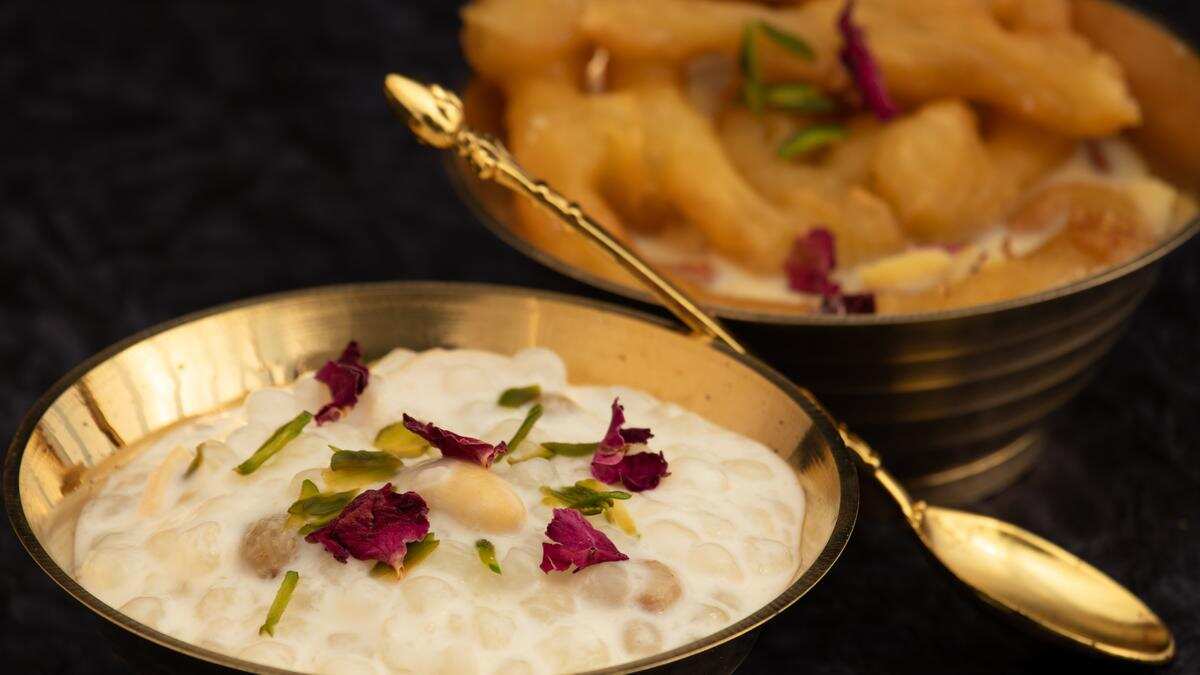

When exploring divine delicacies, few culinary traditions are as rich, layered, and historically profound as the sacred foods offered in temples and during festive celebrations. Across generations, culinary arts and spirituality have remained deeply intertwined, transforming daily meals and grand ritual offerings into a living museum of history, agriculture, and community bonding. Recently, specialized storytelling and food-tasting events have emerged to unravel the fascinating heritage behind these sacred traditions, offering food lovers and historians alike a rare glimpse into ancient kitchens.
Table of Contents
Introduction to Divine Delicacies
Food has always been more than mere sustenance; it serves as a universal language of devotion, celebration, and shared identity. The concept of divine delicacies encompasses everything from simple daily ritual naivedyam to elaborate multi-course festive feasts prepared during major cultural events. By examining these recipes, modern society can connect directly with agricultural practices, preservation techniques, and philosophical beliefs of ancient civilizations.
Understanding the roots of these recipes requires looking beyond the flavor profiles and examining the historical contexts that shaped them. Temples were not only spiritual centers but also vital economic hubs that managed grain stores, supported local farmers, and standardized nutritional standards for entire communities.
The Ancient History of Temple Food Offerings
The practice of offering food to deities dates back millennia, evolving through various dynasties, religious movements, and regional shifts. In ancient times, temple kitchens operated with astonishing precision, serving thousands of devotees daily. These institutions acted as culinary laboratories where ancient cooks experimented with spices, grains, and indigenous produce to create offerings that could withstand tropical climates while maintaining high nutritional value.
The Evolution of Sacred Recipes
Over centuries, sacred recipes underwent significant transformations. Royal patronage often introduced luxurious ingredients like saffron, dried fruits, and clarified butter, while rural traditions contributed hearty millets, indigenous legumes, and seasonal greens. This blending of royal opulence and rustic simplicity created a unique culinary genre that persists today.
Key Ingredients and Their Purposes
Traditional temple preparations frequently utilize specific ingredients chosen for their medicinal and spiritual properties. Commonly used elements include:
- Ghee (Clarified Butter): Valued for purity, longevity, and aiding digestion.
- Jaggery: Used as a wholesome alternative to refined sugar, symbolizing sweetness and prosperity.
- Millets and Ancient Grains: Highly resilient crops that sustained communities through droughts.
- Aromatic Spices: Cardamom, cloves, and black pepper, which offered both flavor and antimicrobial benefits.
Cultural Significance and Regional Variations
Festive foods act as calendar markers, reminding communities of seasonal shifts, historical triumphs, and mythological narratives. Whether it is the sweet rice preparations of harvest festivals or the savory fried snacks of winter celebrations, every region boasts unique specialties tied to its local geography and folklore.
Geographical Diversity in Offerings
The vast subcontinent features an astonishing variety of sacred foods. Coastal regions incorporate coconut and rice-based delicacies, while interior plateaus emphasize wheat, lentils, and coarse grains. These variations reflect sustainable living and a deep respect for local biodiversity.
Regional Festive Delicacies Overview
| Region | Traditional Festival Food | Primary Ingredients |
|---|---|---|
| South India | Chakkara Pongal | Rice, Jaggery, Ghee, Cashews |
| North India | Gujiya | Mawa, Dried Fruits, Refined Flour |
| East India | Pithe | Rice Flour, Coconut, Jaggery |
| West India | Modak | Rice Flour, Coconut, Jaggery |
Storytelling Through Taste: The Modern Culinary Experience
In recent years, cultural organizations and culinary historians have revived interest in these ancient dishes through immersive storytelling and tasting events. These gatherings allow participants to engage all five senses while learning about the socio-political and economic conditions under which these recipes were created.
By combining historical lectures with carefully curated tasting sessions, participants gain a profound appreciation for the laborers, farmers, and temple cooks who preserved these culinary techniques through centuries of political and social change.
Conclusion
The tradition of preparing and sharing divine delicacies offers an invaluable window into our collective past. By preserving these ancient culinary arts, modern society honors the ingenuity, devotion, and cultural heritage of our ancestors. Whether experienced during a grand festival or explored through a storytelling tasting event, these sacred foods continue to nourish both the body and the soul.