

Table of Contents
Introduction to the Dungeness Crab Enforcement Action
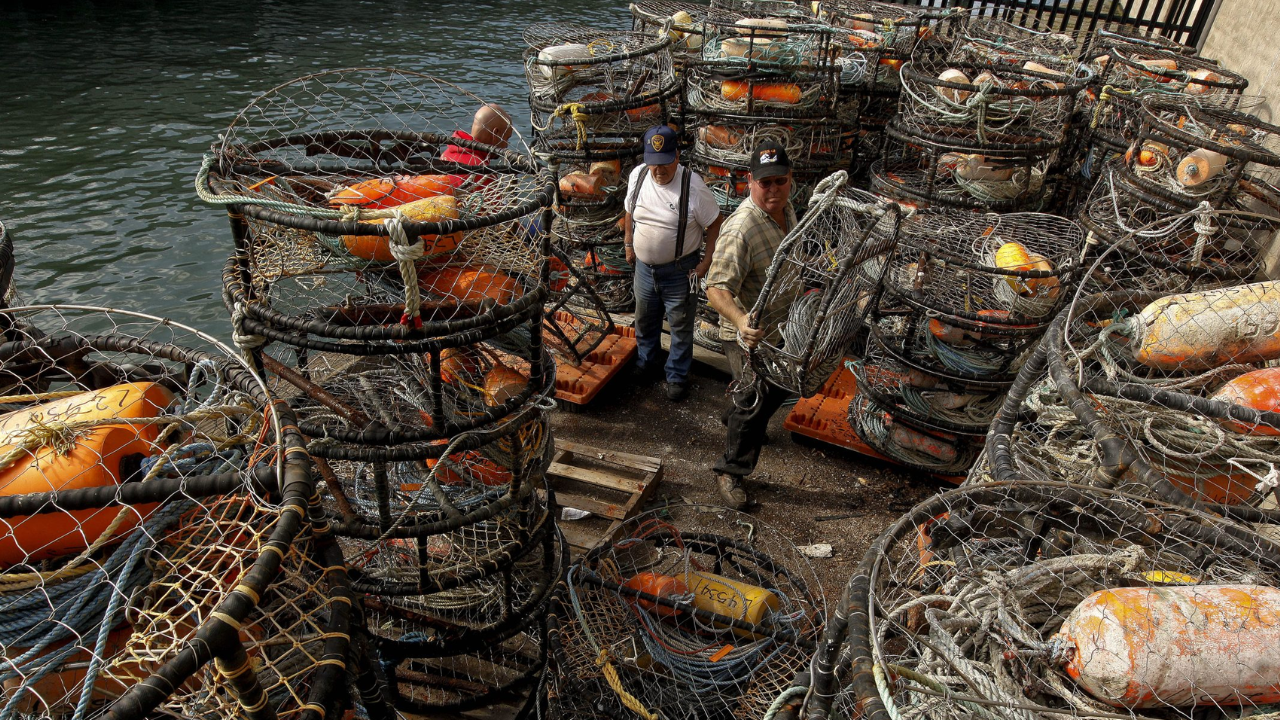
Dungeness crab trap regulations exist for a critical reason, and recent enforcement actions in California underscore the severe consequences of violating them. Wildlife officers recently recovered nearly 200 abandoned traps off local rivers, leading to severe four-year permit suspensions for the responsible commercial fishermen. This decisive intervention highlights ongoing efforts by state authorities to protect marine ecosystems from irresponsible commercial harvesting practices and illegal gear deployment.
Protecting coastal ecosystems requires strict adherence to seasonal boundaries, gear marking protocols, and maintenance schedules. When operators neglect their duties, the resulting ecological damage extends far beyond simple regulatory non-compliance, threatening entire marine food webs.
The Environmental Impact of Abandoned Gear
The discovery of 194 abandoned traps revealed a deeply concerning reality regarding commercial seafood harvesting waste. Not only did these submerged cages disrupt natural seabed habitats, but they also trapped and killed hundreds of crabs without providing any commercial value. Such preventable waste draws sharp criticism from conservationists and regulatory bodies alike.
- Unserviced gear continues to capture marine life indefinitely.
- Decomposing animals inside traps can attract scavengers, compounding mortality rates.
- Lost line ropes create severe navigation and entanglement hazards for large marine mammals.
Investigation Findings and Legal Violations
State wildlife investigators uncovered multiple regulatory infractions during their inquiry into the abandoned gear. The offending operators failed to meet fundamental compliance requirements designed to ensure accountability in the commercial fishery.
Investigators documented several critical infractions:
- Operating with missing or improperly marked gear tags.
- Failing to service equipment within legally mandated timeframes.
- Abandoning commercial property in state coastal waters.
Understanding Ghost Fishing and Marine Risks
Ghost fishing remains one of the most insidious threats facing modern marine environments. When commercial fishing gear is lost or intentionally abandoned, it continues to capture fish, crustaceans, and other sea life with devastating efficiency.

Marine mammals such as whales and sea turtles are particularly vulnerable to floating line segments attached to lost underwater cages. Entanglement can lead to severe injuries, starvation, or drowning, making rapid gear retrieval a top priority for wildlife protection divisions.
Future Regulations and Prevention Strategies
In response to recurring gear abandonment, state agencies are exploring enhanced monitoring systems and stricter penalties. Modern tracking technologies, such as electronic buoy monitoring and mandatory gear registration databases, offer promising solutions for increasing accountability among commercial operators.
Fishery management experts emphasize that proactive collaboration between commercial fishers and regulatory authorities is essential for minimizing gear loss while maintaining sustainable harvest yields along the Pacific coastline.
Conclusion
The strict penalties handed down in this recent case send a clear message regarding the unacceptable nature of marine resource waste and regulatory non-compliance. Through rigorous enforcement, comprehensive gear tracking, and dedicated removal operations, environmental authorities continue striving to safeguard coastal habitats and ensure sustainable fisheries for future generations.