

Table of Contents
Introduction
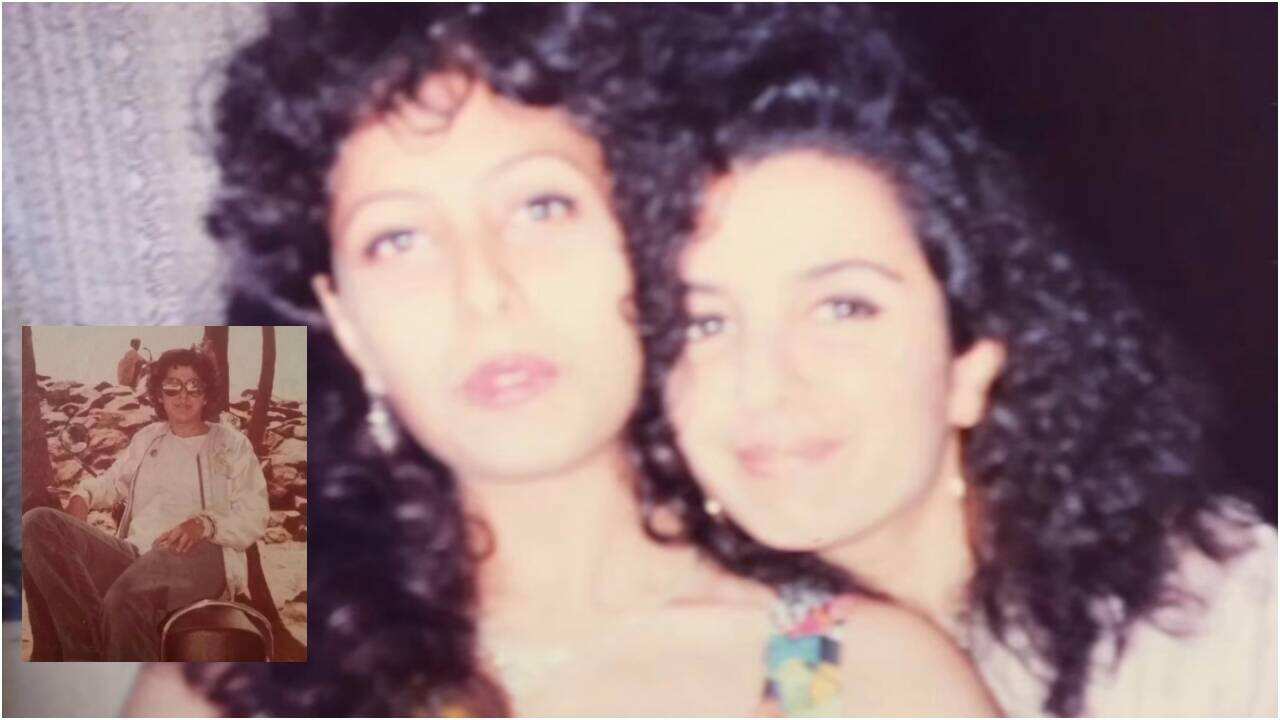
Farah Khan 80s throwback photos have recently taken social media by storm, offering a refreshing contrast to the digital generation’s obsession with artificial intelligence. While countless public figures rely on complex algorithms and neural networks to simulate retro aesthetics, renowned filmmaker Farah Khan decided to take a completely organic route.
By sharing genuine, unedited photographs from her personal archives, she reminded audiences of what the era actually looked like through authentic fashion, real hairstyles, and unfiltered memories.
The Rise of AI Retro Trends
In recent months, digital platforms have been flooded with vintage-themed transformations. From South Indian cinema stars to Bollywood icons, celebrities frequently utilize third-party applications to generate futuristic interpretations of past decades. These tools synthesize lighting, grain, and wardrobe elements to construct a nostalgic persona.
- Popular filter applications dominating mobile app stores.
- Automated face-swapping technologies placing modern stars into retro movie posters.
- High demand for quick, shareable digital content across Instagram and X.
Farah Khan Skips AI
Rejecting the digital shortcuts, Farah Khan opted for complete authenticity. Her posts featured physical prints and scanned memories straight from her youth. The images highlighted the genuine trends of the 1980s without the synthetic smoothing effects common in modern editing suites.
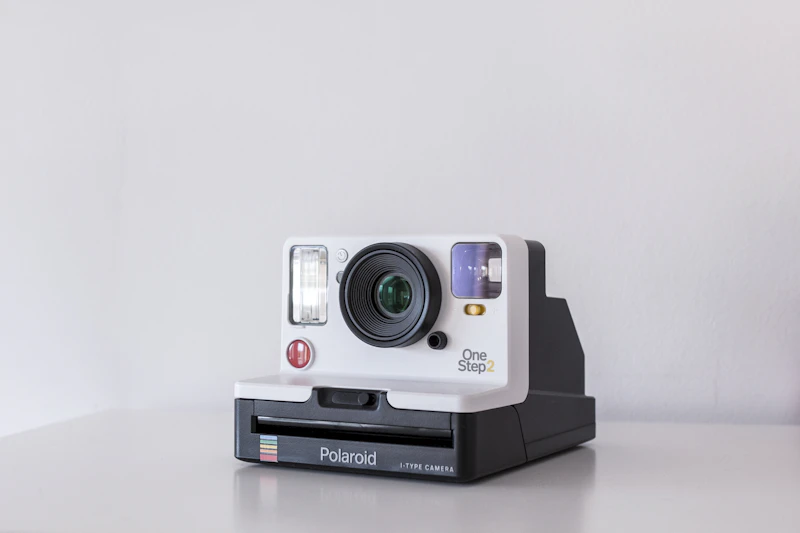
Genuine analog photography offers a look into the past that artificial intelligence struggles to replicate accurately.
Public and Celebrity Reception
The internet responded overwhelmingly positively to her genuine approach. Fans and fellow industry insiders flooded the comments section, applauding her refusal to follow the automated crowd. Many expressed weariness over hyper-processed synthetic imagery, welcoming the raw charm of actual archival photos.
Conclusion
Ultimately, Farah Khan’s decision to share real historical snapshots rather than computer-generated approximations highlights a growing appreciation for authenticity in digital spaces. As synthetic media continues to evolve, genuine personal archives remain uniquely compelling.