

Table of Contents
- Introduction
- The Evolution of Digital Governance
- Key Directives from the Prime Minister
- Benefits for Every Citizen
- Conclusion
Introduction
In the modern era, government sites user-friendly design has transformed from a mere technical preference into a fundamental pillar of public administration. Prime Minister Narendra Modi recently issued a powerful directive to his council of ministers, urging them to revamp official digital platforms to ensure seamless accessibility for all citizens. As public services increasingly transition online, bridging the digital divide remains an essential priority for modern democratic governance.
The push for intuitive digital interfaces is designed to remove bureaucratic hurdles and empower everyday users. Whether applying for vital documents, accessing welfare schemes, or seeking public information, citizens deserve an experience devoid of cumbersome navigation and confusing layouts.
The Evolution of Digital Governance
Over the past decade, digital public infrastructure has grown exponentially. Governments worldwide have recognized that traditional brick-and-mortar offices must be complemented by robust online portals. However, rapid deployment often results in fragmented user interfaces, inconsistent design systems, and frustrating navigation paths.
Overcoming Legacy Obstacles
Many legacy web portals suffer from outdated architectures that prioritize administrative convenience over citizen experience. Transforming these platforms requires a comprehensive overhaul, shifting the focus entirely toward user-centric design principles.
- Adopting modern responsive frameworks
- Simplifying complex multi-step forms
- Ensuring robust accessibility standards for individuals with disabilities
Key Directives from the Prime Minister
During recent high-level reviews, the Prime Minister emphasized that official digital platforms must reflect the aspirations of a progressive nation. Ministers have been instructed to personally audit digital assets under their respective ministries to identify bottlenecks and friction points.
Actionable Pillars for Improvement
To achieve these ambitious goals, administrative bodies are focusing on several core improvement areas:
- Simplification of Language: Reducing bureaucratic jargon in favor of clear, accessible regional and national languages.
- Speed and Reliability: Ensuring fast load times even during peak traffic hours.
- Mobile Optimization: Recognizing that the majority of citizens access services via smartphones rather than desktop computers.

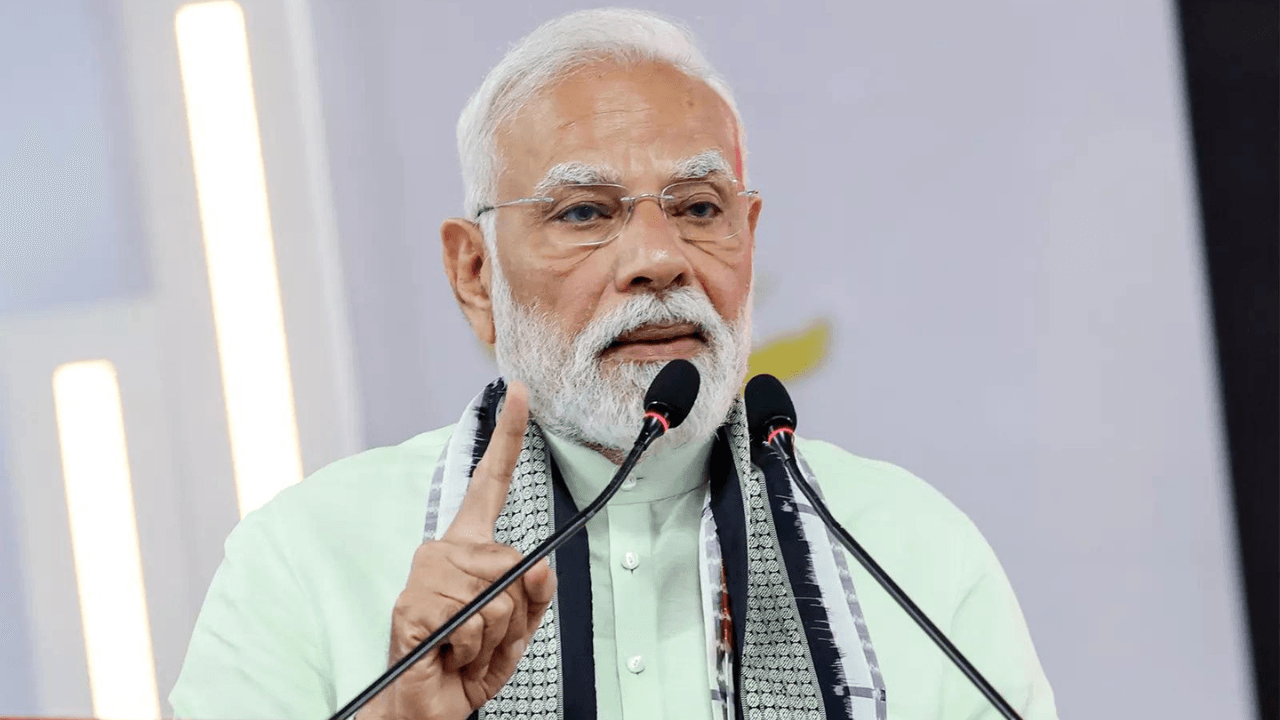
Image caption: Officials reviewing digital layouts to improve public service accessibility.
Benefits for Every Citizen
When government digital portals are designed with empathy and precision, the positive impacts ripple across society. Eliminating technical barriers fosters greater transparency, reduces corruption by minimizing intermediary dependence, and builds profound trust between the state and the public.
| Old System Approach | Modern User-Friendly Approach |
|---|---|
| Complex desktop-only layouts | Responsive mobile-first design |
| Heavy bureaucratic terminology | Plain, concise language |
| Hidden grievance redressal | Transparent, trackable feedback loops |
Furthermore, inclusive digital design empowers marginalized communities, senior citizens, and rural populations who may previously have struggled with complicated online procedures.
Conclusion
The recent directive by Prime Minister Modi marks a critical turning point in how public administration leverages technology. By making government sites user-friendly, the administration is laying the groundwork for a more inclusive, transparent, and efficient digital economy. As ministries roll out these vital updates, citizens can look forward to a smoother, more dignified interaction with public services.