


Table of Contents
Introduction to the HPV Vaccine Controversy
HPV vaccine safety remains a critical topic in public health discourse as courts navigate complex scientific data and legal petitions. Recently, judicial bodies have had to step in to address contentious challenges regarding immunization protocols. Navigating the landscape of modern medicine often brings scientific advancements into direct contact with legal scrutiny. Public health initiatives, particularly mass immunization drives, frequently face hurdles ranging from misinformation campaigns to formal legal challenges. In a recent development, the judiciary has taken a firm stance against attempts to halt preventive healthcare measures, emphasizing the importance of scientific consensus and evidence-based medicine.
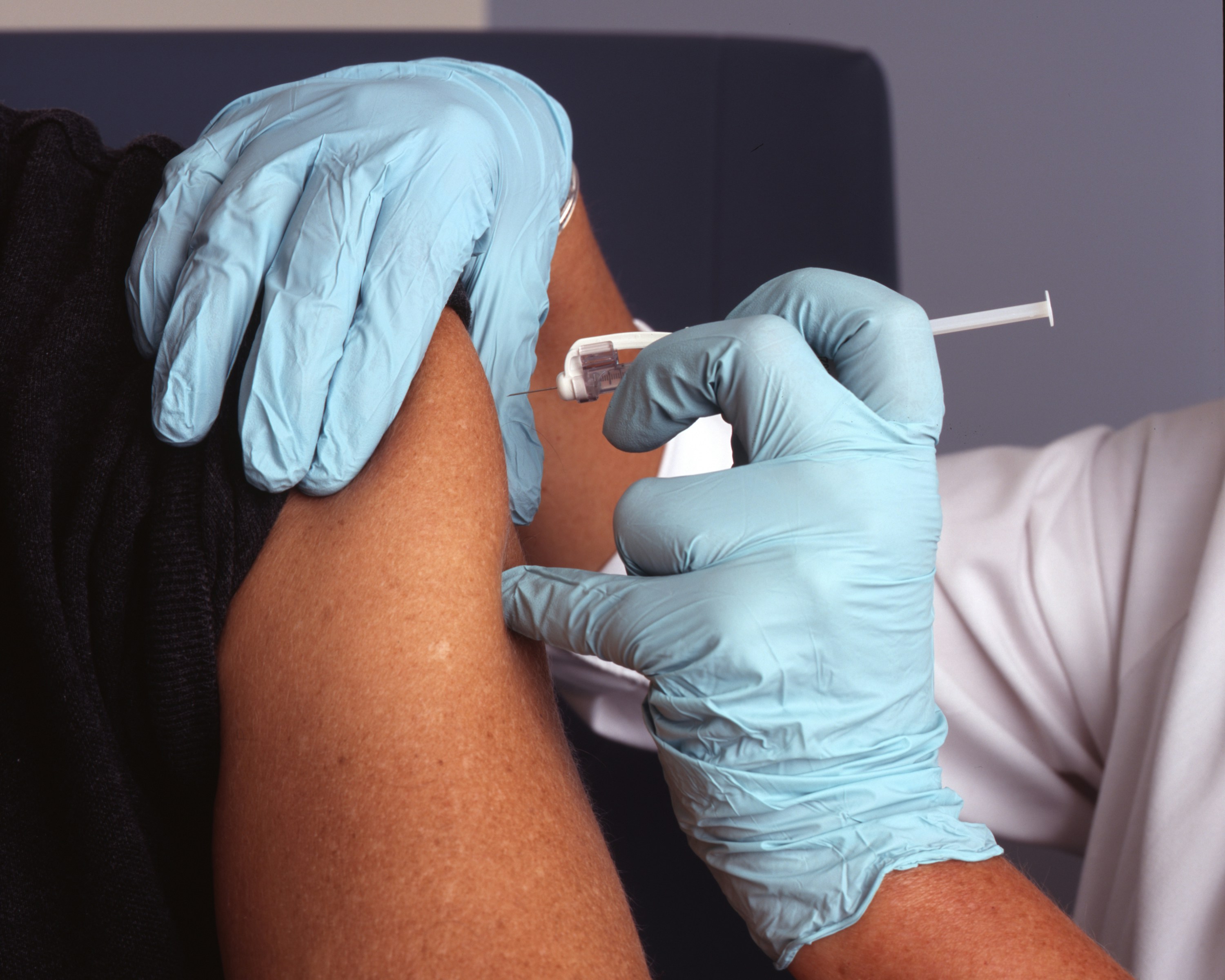 Medical professionals discussing immunization protocols and vaccine safety.
The Supreme Court Ruling on HPV Vaccine PIL
The highest court in the country recently dismissed a Public Interest Litigation (PIL) that sought to challenge the administration and distribution of the human papillomavirus immunization shots. Justices presiding over the bench did not hold back in their assessment of the petition, explicitly stating that the legal challenge appeared to harbor an ulterior motive rather than a genuine concern for public well-being.
Key Arguments Presented in Court
During the proceedings, the bench evaluated the merits of the claims made against the prophylactic treatment. The petitioners raised concerns regarding potential adverse effects and the hurried approval processes. However, government counsel and medical experts provided comprehensive data refuting these claims, demonstrating that rigorous testing and global health guidelines support the widespread adoption of the treatment.
- The court noted a lack of credible scientific backing in the petition.
- Judges highlighted the detrimental impact of frivolous litigation on public healthcare campaigns.
- An emphasis was placed on relying upon peer-reviewed medical research rather than speculative assertions.
Understanding HPV and Immunization Safety
Human papillomavirus is among the most prevalent sexually transmitted infections globally, with certain strains carrying a high risk of developing into cervical and other forms of cancer. Preventive shots have been developed to drastically reduce these risks, serving as a cornerstone in modern oncology and preventative care.
The Science Behind the Shield
Extensive clinical trials and post-marketing surveillance conducted by international health organizations have consistently affirmed that the prophylactic treatments are both safe and effective. Medical authorities continue to advocate for broad administration, particularly among adolescents, to ensure maximum efficacy before exposure to the virus occurs.
| Feature | Details |
|---|---|
| Target | High-risk HPV strains |
| Primary Benefit | Reduction of cervical cancer risk |
| Global Consensus | Endorsed by major health bodies |
Legal Scrutiny of Public Interest Litigations
Public Interest Litigations are designed to be a powerful tool for safeguarding citizen rights and addressing systemic grievances. Nevertheless, the misuse of this legal avenue for stalling vital medical and infrastructural projects has become a growing concern for judicial authorities.
Deterring Misuse
By dismissing the challenge with pointed observations about hidden agendas, the judiciary has sent a strong message to potential litigants. Courts are increasingly vigilant in distinguishing between genuine public grievances and politically or ideologically motivated obstructions to public welfare.
Conclusion
The definitive dismissal of the challenge against the preventative treatment underscores the judiciary’s commitment to prioritizing science and public health over unfounded skepticism. As health agencies continue their efforts to curb preventable illnesses, robust legal backing ensures that critical immunization programs can proceed unhindered, safeguarding future generations against severe health risks.