
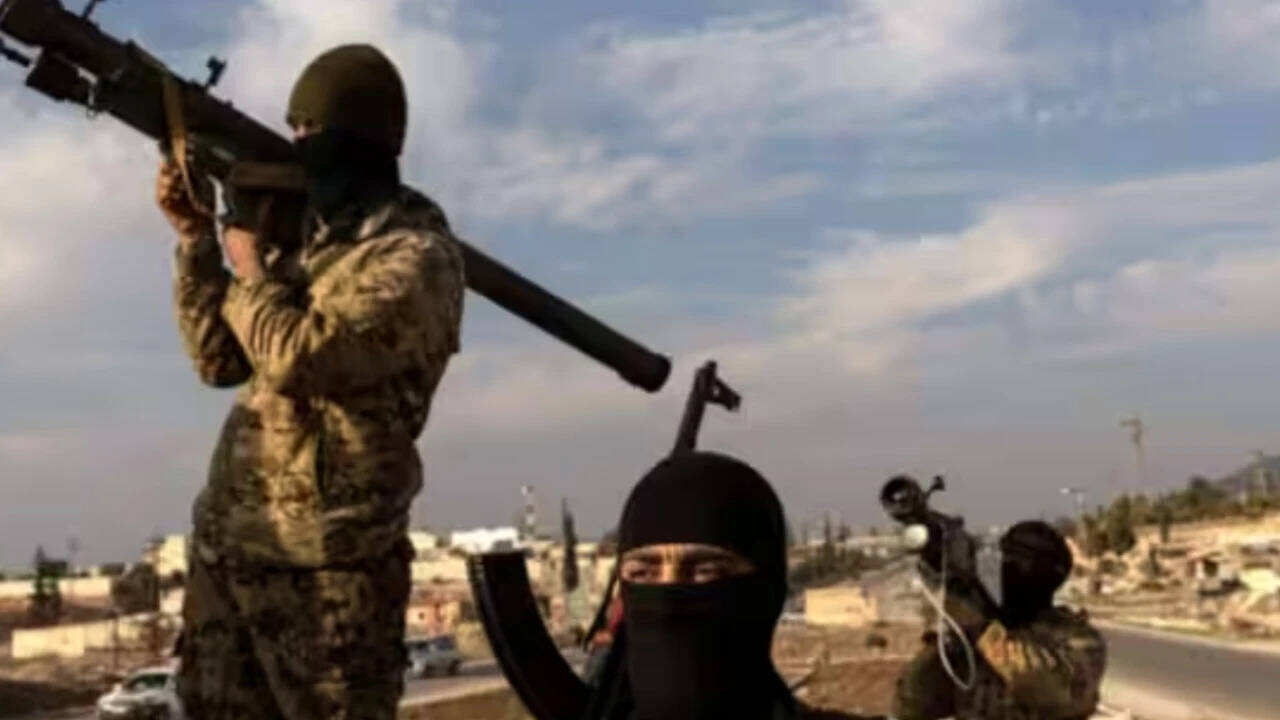

When analyzing global security landscapes, ISIS in Africa has rapidly emerged as the primary focal point for international counter-terrorism analysts. Recent intelligence reports indicate that the African continent now accounts for more than two-thirds of all global Islamic State activity, marking a dramatic shift from historical epicenters in the Middle East. Understanding this geopolitical transition requires a comprehensive look at regional instability, economic vulnerabilities, and evolving insurgent networks.
Table of Contents
The Rise of ISIS in Africa
Over the past decade, the operational gravity of international extremist organizations has steadily migrated southward. While coalition forces successfully degraded core territorial holdings in Iraq and Syria, decentralized affiliates and franchise networks found fertile ground across various sub-Saharan and North African territories.
Security experts note that local grievances, coupled with porous borders and limited state capacity, have allowed these groups to entrench themselves deeply within local communities. Consequently, the continent has transformed into the most active theater for modern terrorism.
Historical Context and Evolution
The establishment of regional branches began years ago through allegiance pledges from pre-existing local militant factions. Over time, these groups evolved from peripheral nuisances into formidable quasi-military organizations capable of capturing territory, launching coordinated complex attacks, and sustaining autonomous financing operations.
Key Regional Hotspots and Activity
Geographically, the concentration of extremist operations is not uniform. Instead, activity is heavily clustered in specific high-risk zones where governance is weak or absent.

Figure 1: Distribution of militant operations across the continent.
- The Sahel Region: Countries like Mali, Burkina Faso, and Niger face relentless pressure from affiliated networks.
- The Lake Chad Basin: Disruptions continue to threaten local populations and cross-border stability.
- East Africa: Somalia and Mozambique remain persistent zones of concern due to active insurgent cells.
Factors Driving Insurgent Growth
Several underlying socioeconomic and political drivers facilitate the expansion of these militant factions. Addressing these root causes remains essential for any long-term stabilization strategy.
| Driver Factor | Impact on Security | Mitigation Strategy |
|---|---|---|
| Poverty and Unemployment | High recruitment success among youth | Economic development and job creation |
| Climate Change | Resource competition between herders and farmers | Sustainable agricultural policies |
| Weak Governance | Safe havens for terrorist training | Institutional capacity building |
Socioeconomic Vulnerabilities
Economic marginalization provides a steady stream of recruits for extremist leaders who exploit grievances regarding government corruption, lack of infrastructure, and systemic poverty. Financial incentives often outweigh ideological alignment for vulnerable individuals.
Global Security Implications
The concentration of extremist activity in developing nations poses profound risks not only for regional stability but also for international security architecture. Foreign governments and multilateral organizations are currently forced to recalibrate their foreign policy and security assistance frameworks.
International Response and Strategy
Traditional military interventions have proven insufficient on their own. Modern strategic doctrines emphasize intelligence sharing, local police training, community engagement, and economic resilience initiatives to counter radicalization effectively.
Conclusion
In summary, the designation of the continent as the primary theater for global extremist operations underscores an urgent need for holistic international intervention. Mitigating the influence of these networks demands addressing the root causes of instability, enhancing regional cooperation, and supporting sustainable economic development across all affected areas.