

Table of Contents
Introduction
The geopolitical landscape of North America recently shifted when the concept of Lake America emerged from a sweeping federal executive order. US President Donald Trump directed federal agencies to formally designate Lake Ontario as Lake America across all official US maps, documents, and databases. This sudden renaming has triggered intense political friction, drawing swift condemnation from Canadian officials and setting off a chain reaction among state-level politicians. Following the federal directive, a Republican lawmaker in Pennsylvania has proposed a similar measure for Lake Erie, aiming to rename it Lake Pennsylvania.
Understanding this development requires examining the intersection of cartography, nationalism, and escalating trade tensions between the United States and Canada. This article explores the origins of the executive order, the international response, the emerging state-level proposals, and what these changes mean for regional relations.
The Executive Order to Create Lake America
The movement to establish Lake America began with an official executive directive issued by the White House. The order mandates that all federal agencies update their geographic information systems, official publications, and map repositories to reflect the new nomenclature for one of the Great Lakes.
Supporters of the administration’s decision argue that federal geographic names should reflect domestic sovereignty and national pride. However, cartographic experts and historians point out that unilaterally changing the name of a shared international body of water is highly unusual and disrupts decades of standard mapping practices.

Key elements of the executive order include:
- Mandatory updates for all US federal documents and digital mapping databases.
- A directive instructing federal departments to phase out legacy references in official communications.
- Encouragement for domestic educational publishers to adopt the new terminology.
International Backlash from Canada
Unsurprisingly, the announcement of Lake America met immediate and stern opposition from Ottawa. Canadian leaders rejected the unilateral decision, emphasizing that Lake Ontario is a shared natural resource bordered by both the United States and the Canadian province of Ontario.
Canadian officials stressed that geographical names shared across international borders are traditionally managed through bilateral commissions rather than executive decrees from a single government. Furthermore, several US state governors whose jurisdictions touch the Great Lakes have announced they will continue using the traditional designation, highlighting deep domestic divisions over the policy.
Pennsylvania Lawmaker Seeks Lake Pennsylvania
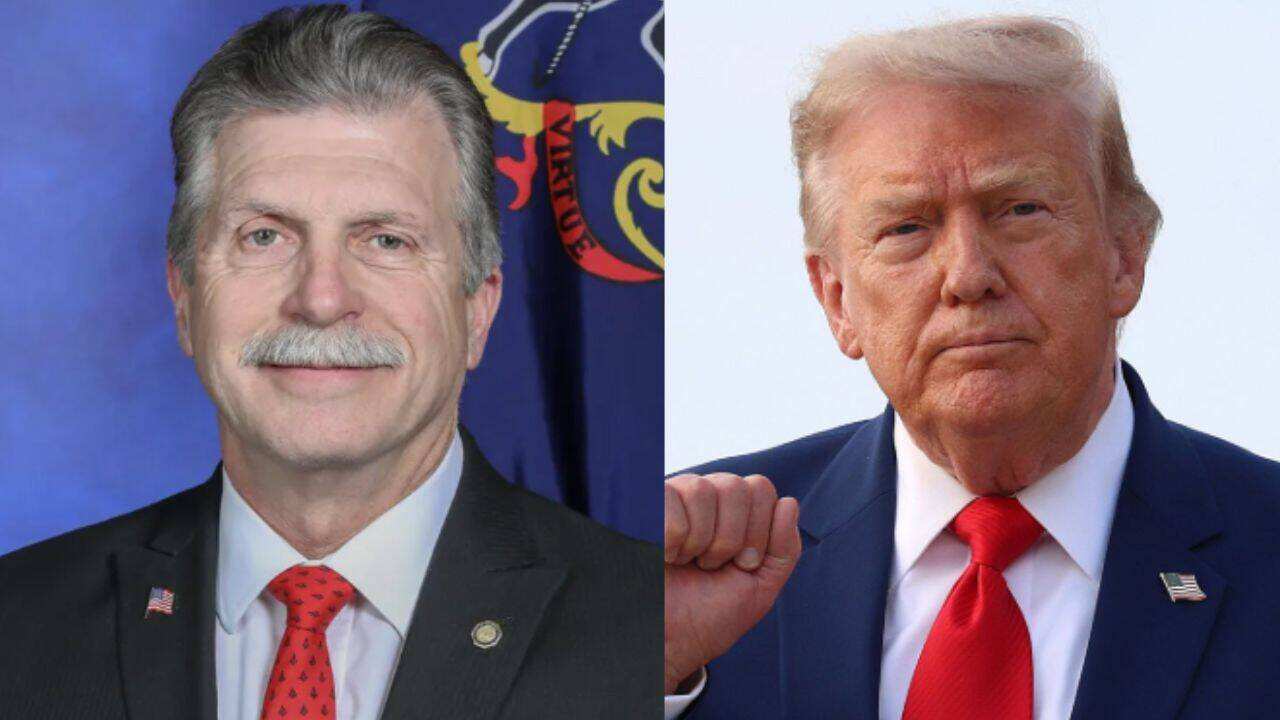
The federal renaming initiative has inspired domestic copycat proposals. A prominent Pennsylvania Republican has introduced a measure calling for Lake Erie to be renamed Lake Pennsylvania on state-level documents and maps.
The proponent argues that local waterways should proudly display state identities to boost regional tourism and civic pride. Critics, however, view the proposal as political theater tied to the broader federal push rather than a practical governance measure.
Regional Reactions and Local Impact
Local municipalities along the shores of Lake Erie have expressed mixed feelings about the state-level renaming push. While some business groups see marketing potential, environmental and maritime organizations worry about confusion in navigation, emergency services, and cross-border commercial shipping.
Broader Geopolitical and Economic Implications
The timing of the Lake America directive coincides with heightened trade friction between Washington and Ottawa. Experts note that symbolic disputes over geography often serve as diplomatic leverage during broader economic negotiations regarding tariffs, steel imports, and supply chain agreements.
A comparative overview of the proposed name changes highlights the scope of this trend:
| Original Waterway | Proposed New Name | Primary Proponent | Current Status |
|---|---|---|---|
| Lake Ontario | Lake America | US Federal Government | Mandated for US federal maps; rejected by Canada |
| Lake Erie | Lake Pennsylvania | Pennsylvania Republican Lawmaker | Proposed state-level legislation |
Conclusion
The creation of Lake America through executive action represents a striking intersection of domestic politics and international diplomacy. While the federal government pushes forward with its mapping changes, resistance from Canada and several US governors underscores the complexities of altering shared geographical names. As state-level politicians like Pennsylvania’s Republican lawmakers jump into the fray with proposals for Lake Erie, the future of North American cartography remains uncertain and politically charged.