
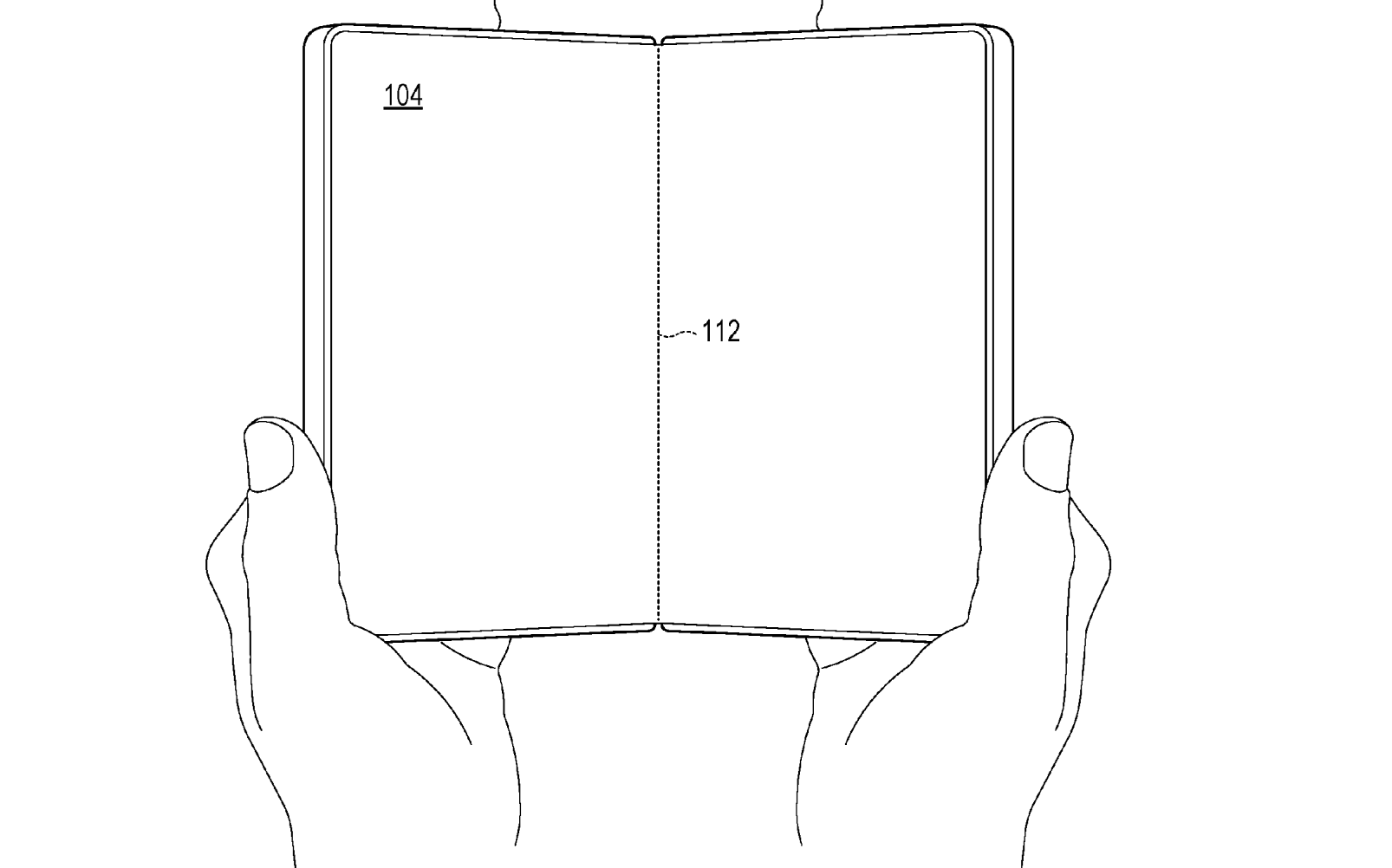

When discussing the future of mobile technology, the Microsoft foldable phone consistently sparks intense curiosity among industry analysts and consumers alike. Following the discontinuation of its dual-screen Surface Duo lineup, the tech giant has not exited the mobile hardware race entirely. Instead, newly uncovered patent filings reveal an ambitious engineering approach aimed at challenging established giants like Apple and Google in the highly competitive smartphone market. This comprehensive guide explores the innovative mechanics, strategic shifts, and market implications surrounding Microsoft’s latest hardware ambitions.
Table of Contents
The Evolution of Microsoft Mobile Strategy
Microsoft has experienced a fascinating trajectory in the mobile sector over the past decade. From the eventual sunset of Windows Phone to the dual-screen experimentation of the Surface Duo and Surface Duo 2, the company continuously recalibrates its strategy to find a unique hardware footprint. While the dual-screen devices offered remarkable multitasking potential, their physical gap between screens and software limitations ultimately hindered mainstream adoption.
Understanding this pivot requires looking back at how mobile computing has evolved. Users desire seamless integration between desktop productivity and mobile convenience. By moving away from dual-screen layouts toward a true flexible display mechanism, Microsoft is aligning its hardware roadmap with modern foldable standards set by competitors, yet introducing proprietary engineering to stand out.
Anatomy of the New Microsoft Foldable Phone Patent
Recent patent documentation outlines a sophisticated mechanical design centered around a single hinge system. Unlike previous iterations that relied on dual panels connected by a bulky 360-degree hinge, this new concept introduces a specialized component referred to as a ‘spine cover plate’.
Key Structural Innovations
- Single Hinge Architecture: Simplifies internal mechanics while enhancing structural integrity.
- Spine Cover Plate: Protects the delicate flexible display layer during folding and unfolding cycles.
- Reduced Thickness: Slimmer profile addresses consumer complaints about bulky pocketability.
- Seamless Display Integration: Aims to deliver an unbroken viewing surface akin to traditional slab smartphones when fully opened.
Engineers have long struggled with the physical trade-offs of foldable screens. This patent suggests a calculated attempt to balance durability with aesthetic appeal, minimizing mechanical complexity while maximizing user utility.
Tackling Industry Pain Points
Every current foldable handset on the market wrestles with distinct engineering hurdles. The most prominent among these is the visible and tactile crease that forms where the screen bends. Microsoft’s new design specifically targets this flaw, utilizing the spine cover plate mechanism to support the display panel evenly and reduce stress concentrations.
| Design Challenge | Traditional Foldables | Microsoft Patent Approach |
|---|---|---|
| Screen Crease | Pronounced and tactile | Minimized via spine cover plate support |
| Device Thickness | Bulky when closed | Streamlined profile for easier pocket storage |
| Hinge Durability | Complex gears prone to dust | Simplified single-hinge architecture |
By addressing these critical pain points, the company hopes to create a device that feels as reliable as a standard smartphone while offering the expanded screen real estate of a tablet.
Competing in the Smartphone Arena
Entering the modern smartphone ecosystem is no small feat. Apple and Android manufacturers dominate global shipments, establishing deeply entrenched user habits and application ecosystems. For a new Microsoft foldable phone to succeed, it must offer compelling software integrations.
Industry experts anticipate that Microsoft will leverage its robust suite of productivity software—such as Office, Teams, and Copilot AI integration—to differentiate its hardware. Rather than competing solely on camera specifications or gaming performance, a productivity-first approach could carve out a lucrative niche among enterprise users and power consumers.
Conclusion
The journey from patent filing to commercial product is notoriously unpredictable. While the discontinuation of the Surface Duo left a void in Microsoft’s hardware lineup, this latest patent proves the company remains deeply invested in mobile innovation. Whether this ambitious single-hinge concept will successfully challenge the dominance of established smartphone platforms depends on execution, pricing, and software maturity. As the foldable market continues to mature, all eyes remain on Redmond to see if this blueprint transforms into a market-ready reality.