
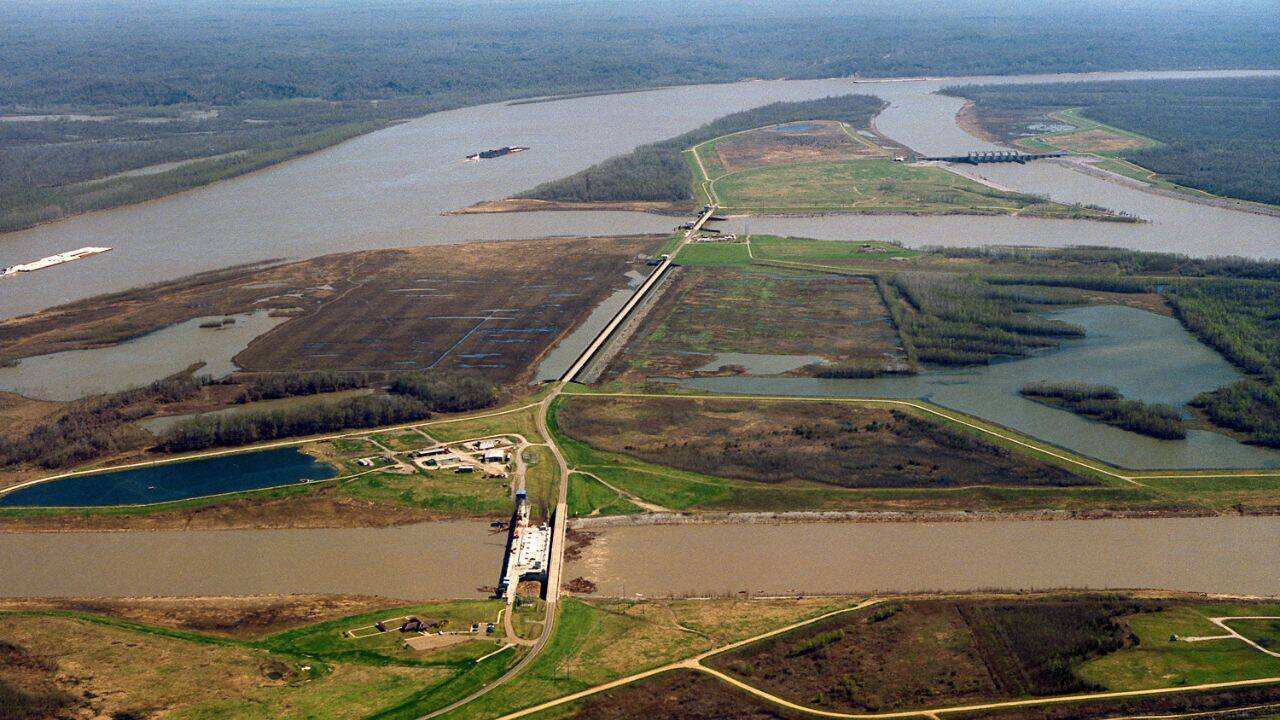

When discussing Mississippi River levees, environmental scientists often point to a complex legacy of flood control and unintended ecological consequences. For decades, massive engineering efforts transformed North America’s greatest waterway, successfully protecting inland communities from devastating floods while inadvertently starving Louisiana’s fragile coast of vital building blocks. Today, researchers and policymakers grapple with the aftermath of these structures, seeking innovative ways to reverse historic land loss and restore vital coastal wetlands.
Table of Contents
The Engineering Marvel and Its Costs
Following catastrophic flooding events in the 19th and 20th centuries, federal authorities embarked on an ambitious campaign to harness the Mississippi River. Over the years, the United States constructed nearly 2,000 kilometers of levees, floodwalls, and control structures designed to lock the river into a fixed channel. While these barriers undoubtedly saved countless lives and protected billions of dollars in infrastructure, they fundamentally altered the natural geological processes that built the delta over millennia.
Historically, the river would routinely overflow its banks during annual spring floods, depositing rich layers of silt, sand, and mud across the coastal plains. This natural process allowed the delta to keep pace with sea-level rise and land subsidence. Once constrained by artificial barriers, the river began funneling all of its sediment straight past the coastal estuaries and far out into the deep waters of the Gulf of Mexico.
Understanding Sediment Starvation
The immediate consequence of trapping the river was a phenomenon known as sediment starvation. Deprived of the annual renewal of mud and nutrients, Louisiana’s coastal wetlands began to sink and erode at alarming rates. Studies indicate that this systemic deprivation has contributed directly to the erasure of approximately 4,900 square kilometers of coastal land over the decades.
Without a steady supply of fresh sediment, marshes lost their ability to sustain plant life, leading to accelerated shoreline retreat. Saltwater intrusion further compounded the crisis, killing freshwater vegetation that previously anchored the soil. The loss of these natural buffers exposed inland communities to heightened storm surges and tropical weather events.
Modern Restoration Strategies
To combat this ongoing crisis, environmental agencies and coastal restoration experts are deploying advanced techniques to mimic natural flooding processes. Rather than relying solely on traditional engineering, modern projects focus on reintroducing river mud and freshwater back into the affected bayous and shallow estuaries.
- Diversion projects designed to channel sediment-laden water into sinking basins.
- Strategic dredging operations to mechanically rebuild marshland elevations.
- Planting native vegetation to stabilize newly deposited mud and sediment.
These initiatives aim to rejuvenate the coastline and revitalize critical marshland ecosystems. By capturing and redirecting the river’s natural resources, restorationists hope to establish a sustainable blueprint for delta preservation throughout southern Louisiana and beyond.
Looking Toward the Future
Addressing the massive land deficit along the Gulf Coast requires long-term commitment, substantial funding, and continuous scientific monitoring. While the initial construction of Mississippi River levees prioritized immediate safety from floods, contemporary management must balance human security with environmental stewardship. The success of ongoing sediment diversion efforts will likely determine the survival of coastal communities for generations to come.
Conclusion
The transformation of the Mississippi River stands as a powerful testament to both human ingenuity and the unexpected repercussions of altering natural ecosystems. By understanding the critical role of river sediment, modern agencies are working tirelessly to heal the wounded coastline, ensuring a resilient future for Louisiana’s cherished wetlands.