
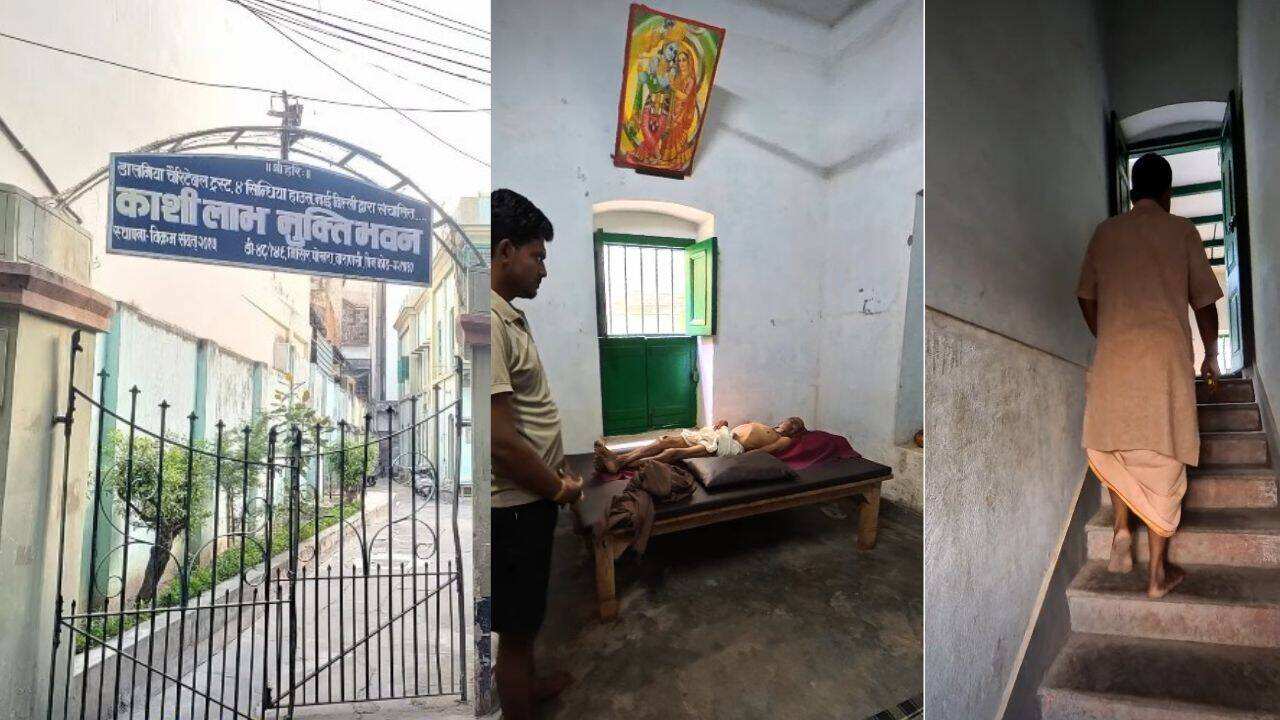

Mukti Bhawan is a remarkable establishment located in the ancient spiritual hub of Varanasi, India, offering a unique sanctuary for individuals who wish to spend their final days in pursuit of ultimate spiritual liberation. For centuries, this sacred city has drawn pilgrims seeking peace, transcendence, and a release from the eternal cycle of rebirth. Among its many cultural landmarks, this specialized lodge stands out globally for its singular purpose: providing a peaceful, sacred space for guests who have checked in with the explicit intention of passing away.
Table of Contents
Understanding Mukti Bhawan and Its Sacred Mission
Founded to assist elderly and terminally ill individuals, Mukti Bhawan translates roughly to the “Salvation Building.” Operating under the management of a charitable trust, the institution does not function as a commercial hotel in the traditional sense. Instead, it acts as a philanthropic haven where travelers on the threshold of life and death can find solace. Families accompany their aging or ailing relatives to this facility, ensuring they spend their final moments immersed in prayers, religious hymns, and the holy environment of the Ganges River banks.
The atmosphere inside is markedly different from a clinical hospital environment. While medical care is minimal, spiritual support is abundant. Volunteers and priests guide the residents through sacred rituals, fostering an environment of acceptance, calm, and emotional closure.

The unassuming entrance of Mukti Bhawan welcomes seekers looking for spiritual peace.
The Strict 15-Day Policy Explained
One of the most fascinating aspects of operating this facility is its rigid occupancy rule. Guests are only permitted to stay for a maximum duration of fifteen days. If an individual does not pass away within this designated timeframe, they are politely asked to vacate the premises. This policy is not driven by cold bureaucracy, but rather by practical necessity and spiritual philosophy.
- High Demand: Limited room availability means space must be made for other incoming seekers.
- Logistical Fairness: Hundreds of families hope to utilize the facility, making turnover essential.
- Spiritual Rationale: Tradition suggests that if a person does not attain liberation within a fortnight at the lodge, their time has simply not arrived yet, and they should return home or seek alternative arrangements.
Daily Life and Spiritual Atmosphere Inside the Lodge
Life within the walls of Mukti Bhawan revolves entirely around quiet reflection, prayer, and familial bonding. There are no luxuries, televisions, or modern distractions. Rooms are sparse, often featuring simple beds, bare walls, and a constant hum of devotional chanting echoing from the hallways or nearby temples.
Relatives stay alongside their loved ones, sharing stories, administering basic comfort, and preparing them mentally for the inevitable transition. This communal living fosters a profound sense of shared human vulnerability and deep emotional connection.

The serene backdrop of Varanasi provides comfort to families staying at the salvation lodge.
Cultural Significance of Dying in Varanasi
To fully understand the existence of this unique sanctuary, one must examine the broader cultural and religious beliefs surrounding Varanasi, also known as Kashi. Hindus believe that dying within the city limits breaks the cycle of samsara—the endless wheel of reincarnation—and grants the soul moksha, or ultimate liberation.
Consequently, thousands travel to the city annually as they sense their lives drawing to a close. Institutions like the salvation lodge provide an organized, dignified infrastructure for individuals who might otherwise struggle to find a safe and respectful place to spend their final days.
Conclusion
Mukti Bhawan remains a profound symbol of cultural acceptance of mortality. By offering a peaceful refuge, strict operational guidelines, and deep spiritual backing, it helps individuals face their final chapter with dignity, grace, and community support.