
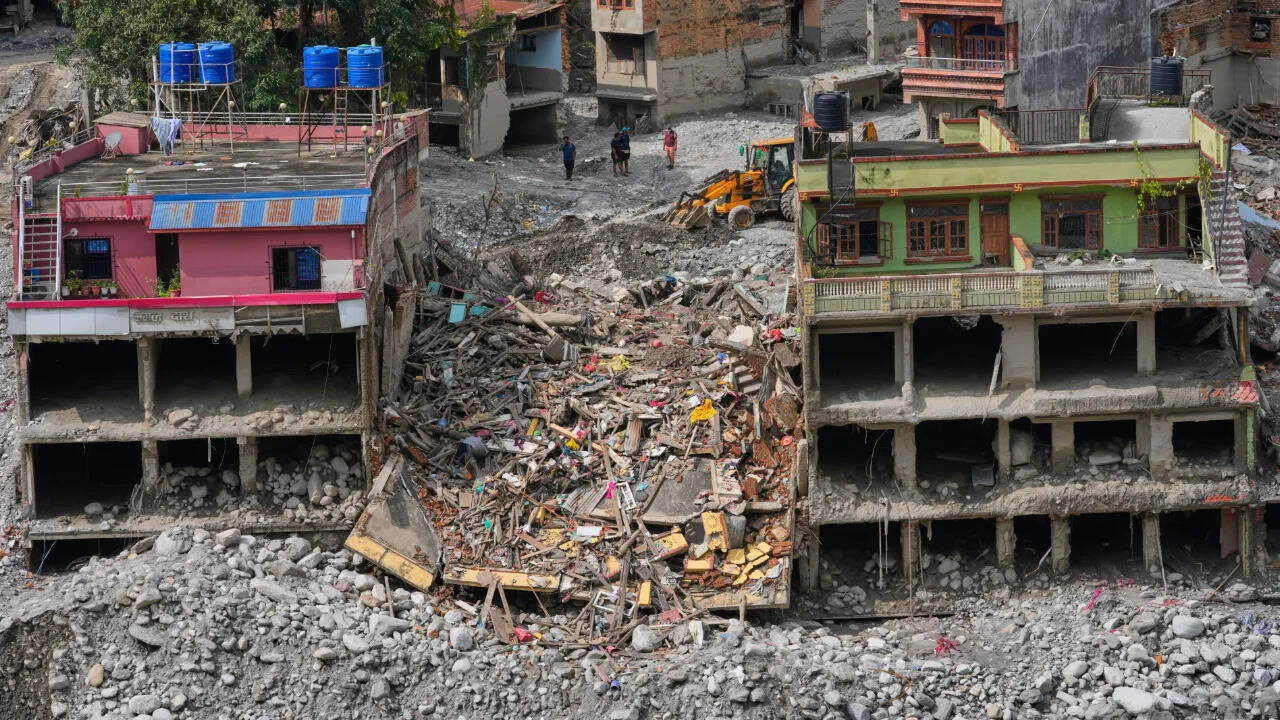

When discussing the devastating impact of natural disasters in South Asia, the Nepal floods remain a critical area of concern, especially as ongoing search operations struggle to locate dozens of individuals. Two weeks after catastrophe struck the Himalayan nation, families and humanitarian organizations continue their desperate search for answers. The Isha Foundation and local authorities are working tirelessly to address the humanitarian needs on the ground, yet the sheer scale of the devastation poses enormous logistical challenges for rescue personnel navigating damaged infrastructure and treacherous terrain.
Table of Contents
Understanding the Crisis: A Look at the Nepal Floods
The recent weather anomalies triggered unprecedented downpours across large swathes of Nepal, leading to catastrophic overflowing of major river basins. Mountainous regions, typically resilient to seasonal changes, experienced massive landslides that buried entire communities under mud and debris. Meteorologists attribute these extreme events to shifting climate patterns, which bring heavier and more erratic rainfall during the monsoon transitions.
Historically, low-lying areas suffer the most during monsoon season, but this particular event proved exceptionally destructive because it combined torrential rain with steep slope failures. Communities unprepared for such rapid water accumulation found themselves entirely cut off from emergency services within hours of the first alerts.
Ongoing Search Efforts and Missing Persons
Even two weeks after the initial deluge, rescue teams report that approximately 80 people remain unaccounted for. Finding survivors grows increasingly difficult with each passing day, shifting the nature of operations primarily toward recovery and identification.
- Local police and military units deployed specialized canine squads.
- Drones are utilized to scan inaccessible ravines and blocked riverbanks.
- Volunteers comb through thick layers of silt and wreckage.
Families of the missing face profound psychological distress. Government agencies are attempting to offer counseling alongside physical search operations to support communities grappling with profound loss.
Humanitarian Response by the Isha Foundation
In the wake of the disaster, organizations such as the Isha Foundation stepped forward to provide critical relief supplies. Relief workers distributed food packets, clean drinking water, and medical kits to displaced families taking shelter in temporary camps.
Medical and Psychological Aid
Beyond physical provisions, medical camps were established to prevent waterborne diseases—a common secondary crisis following major flooding events. Doctors treated numerous patients suffering from infections, injuries sustained during landslides, and acute stress disorders.
| Relief Measure | Description | Target Beneficiaries |
|---|---|---|
| Food Security | Distribution of dry rations and cooked meals | Displaced families in temporary shelters |
| Healthcare | Mobile medical units and essential medicines | Flood victims and rescue workers |
| Infrastructure Support | Clearing debris and restoring access | Isolated mountain communities |
Infrastructure Impact and Economic Toll
The economic repercussions of the disaster are staggering. Vital highways connecting remote districts to major urban centers remain severely damaged, hindering the transport of goods and emergency aid.
Agricultural Losses
Farmers watched their entire harvest wash away just weeks before collection. Rice paddies and vegetable farms filled with sand and gravel, threatening local food security for the upcoming months.
Power and Communication Failures
Hydroelectric facilities sustained heavy damage, plunging entire regions into darkness and disabling cellular towers. Without reliable communication channels, coordinating rescue missions proved exceptionally difficult during the critical initial hours.
Future Preparedness and Climate Resilience
Experts emphasize that rebuilding must incorporate stronger, climate-resilient engineering standards. Traditional building methods in flood-prone zones no longer suffice against intense modern weather events.
Key strategies for long-term mitigation include:
- Upgrading early warning systems in vulnerable river valleys.
- Rethinking zoning laws to prevent residential construction in high-risk landslide zones.
- Investing in robust, weather-resistant road networks.
Conclusion
The aftermath of the Nepal floods serves as a stark reminder of our vulnerability to extreme weather phenomena. With scores of individuals still missing two weeks after the disaster, the collective focus remains fixed on recovery, humanitarian aid, and supporting affected families. Moving forward, sustained international cooperation and rigorous climate adaptation measures will be essential to protect vulnerable populations from future catastrophes.