

Table of Contents
Introduction
Pranay Reddy Vanga Spirit challenge has recently sparked intense debates across the Indian film industry, bringing the ongoing friction between creators and critics back into the spotlight. As cinema continues to evolve with massive pan-India projects, the dialogue around how movies are evaluated has never been more relevant. Producer Pranay Reddy Vanga recently stepped into the discussion with a bold statement, challenging film critics to approach major commercial productions with the same meticulous standards they apply to smaller-budget independent films. This discourse highlights a deeper philosophical divide regarding what constitutes genuine cinematic appreciation and how modern audiences consume media.
Understanding the dynamics of modern film production requires looking beyond surface-level reviews. When creators invest years of hard work, financial risk, and creative energy into monumental projects, the tension between critical analysis and commercial reception becomes palpable. This article explores the background of this controversy, the realities of producing large-scale cinema, and why the ultimate power always rests with the paying public.
Pranay Reddy Vanga Spirit Challenge Explained
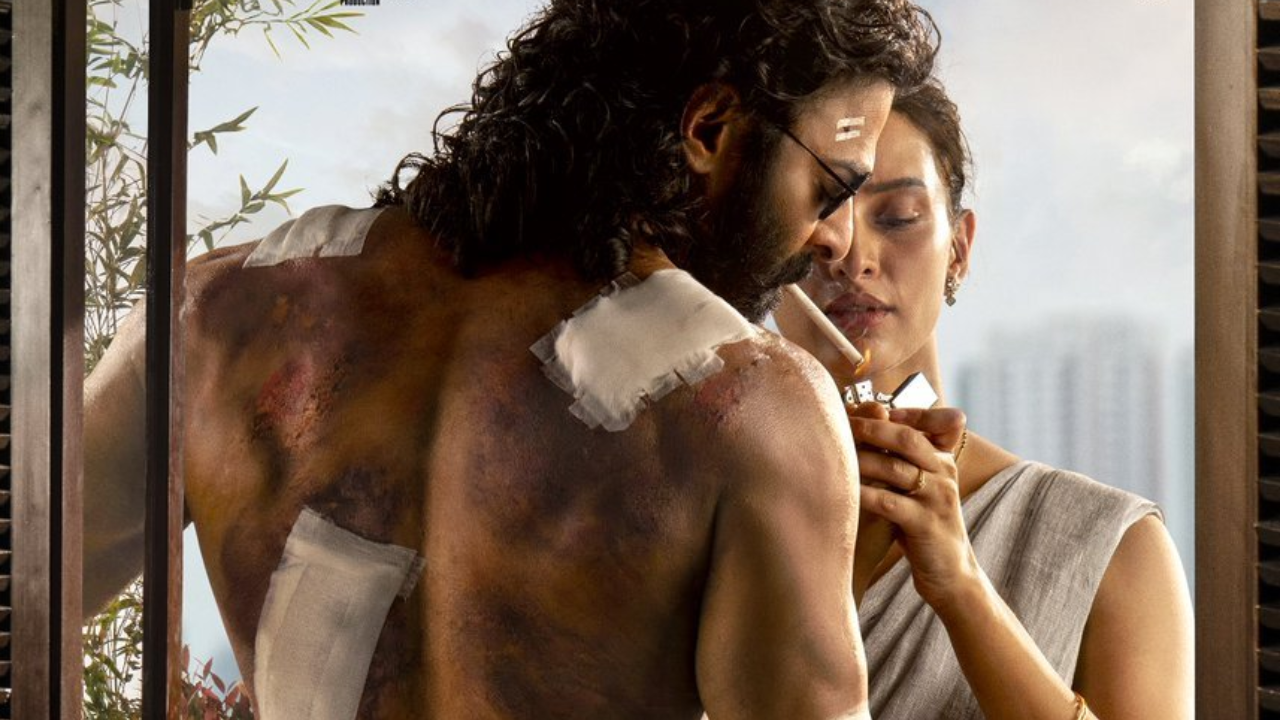
The core of the recent controversy stems from producer Pranay Reddy Vanga addressing film reviewers directly. Referencing contrasting styles of cinema, including the indie success ‘Romanchakam’ and the highly anticipated upcoming action drama ‘Spirit’ starring Prabhas and Triptii Dimri, the producer raised fundamental questions about industry standards. He argued that the scrutiny applied to smaller films often differs drastically from how massive blockbusters are judged. By inviting critics to evaluate ‘Spirit’ with identical or even heightened rigor upon its release, he has drawn a clear line in the sand.
Industry analysts note that such remarks reflect a broader frustration among filmmakers who feel that traditional review metrics fail to account for the scale, technical complexity, and sheer logistical hurdles of producing high-budget commercial entertainment. Rather than dismissing feedback entirely, the challenge calls for a more authentic, uniform standard of critique that respects the unique challenges of different cinematic genres.
The Harsh Realities of Filmmaking vs. Criticism
Many industry insiders frequently emphasize that writing a review requires a fraction of the time, risk, and emotional investment compared to bringing a multi-million-dollar vision to life. Producing a movie like ‘Spirit’ involves coordinating hundreds of crew members, managing massive budgets, handling complex schedules, and maintaining creative integrity under intense public pressure.
- Financial Risk: Producers put substantial capital on the line for every project.
- Logistical Complexity: Large-scale sets and visual effects demand meticulous planning.
- Creative Vulnerability: Directors and producers expose their vision to immediate, often unsparing public judgment.
These factors explain why creators often react strongly to dismissive or overly harsh critical reception. True appreciation of the craft, as many veterans argue, requires firsthand experience of the production trenches.

Box Office Success vs. Critical Reception
For decades, a perennial debate has persisted: do negative reviews actually hurt a film’s box office potential, or do audiences ultimately forge their own paths? In recent years, several major Indian blockbusters have defied negative or mixed critical consensus to achieve historic box office milestones, proving that the modern moviegoer relies heavily on word-of-mouth rather than traditional print or digital critiques.
The Pranay Reddy Vanga Spirit challenge touches directly on this phenomenon. When major stars headline high-profile films, fan anticipation frequently overrides critical sentiment. Ultimately, the box office remains the most unfiltered referendum on a film’s cultural resonance and commercial viability.
The Future of Indian Cinema and Audience Verdict
As the film industry marches toward an era of unprecedented global reach, the relationship between creators, critics, and audiences will continue to transform. Digital platforms and social media empower viewers to voice their opinions instantly, democratizing film critique in ways never seen before. Consequently, the traditional gatekeepers of cinematic taste must adapt to a landscape where community-driven reviews and direct audience engagement hold immense power.
Whether ‘Spirit’ meets or exceeds the massive expectations surrounding it remains to be seen. However, the conversation initiated by Pranay Reddy Vanga ensures that the discussion surrounding film evaluation standards will remain a hot topic for months to come.
Conclusion
The discourse ignited by the Pranay Reddy Vanga Spirit challenge underscores the complex relationship between artistic creation and critical analysis. While reviews serve an important purpose in guiding viewers and holding creators accountable, understanding the true grit of filmmaking provides vital perspective. As the industry looks forward to future blockbusters, one truth remains constant: the audience’s verdict at the box office is the ultimate measure of a film’s enduring impact.