

When discussing environmental recovery, rewilding stands out as a powerful approach to healing degraded ecosystems. Environmental conservation has reached a critical turning point across the United Kingdom, where historic land-use practices have long depleted natural biodiversity. At the forefront of this modern ecological movement is Broughton Sanctuary, a sprawling estate in North Yorkshire that embarked on a transformative journey in 2021.
Table of Contents
Background and Context of Broughton Sanctuary
For generations, large swathes of the British countryside have been managed intensively for agriculture and commercial output. While this secured food production, it frequently came at the steep expense of native flora, fauna, and soil health. In 2021, custodians of the 2,500-acre Broughton Sanctuary decided to pivot away from intensive farming toward a comprehensive ecological restoration model.
The goal was simple yet ambitious: step back and allow nature to reclaim the land, repairing the broken ecological chains that intensive management had fractured. This shift required a fundamental rethinking of how rural estates operate, balancing community engagement, sustainable land stewardship, and aggressive habitat renewal.
Key Milestones and Biodiversity Growth
Four years into the ambitious rewilding project, the transformation of the North Yorkshire estate has exceeded initial expectations. Comprehensive ecological surveys conducted across the property have successfully documented over 1,700 distinct species residing within the sanctuary boundaries.
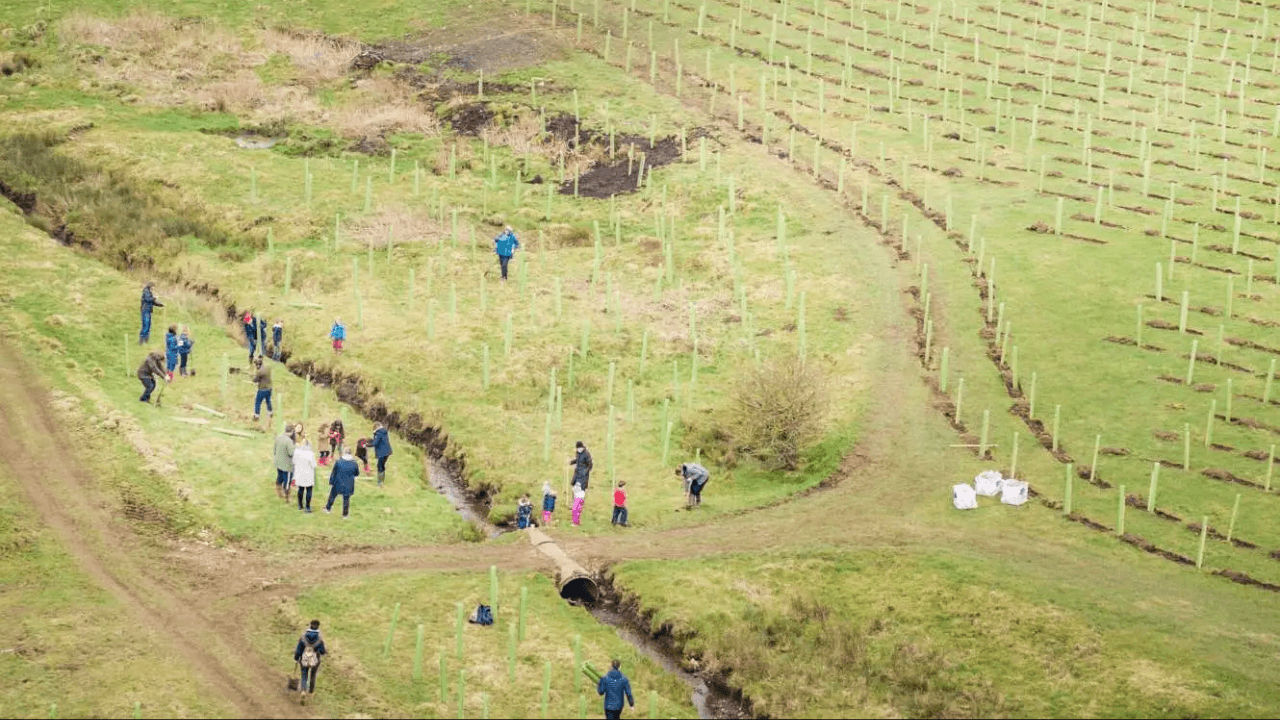
- Tree Planting: More than 330,000 new trees have been planted, dramatically increasing the canopy cover and creating vital woodland corridors.
- Species Diversity: From rare birds and insects to thriving mammal populations, the biological inventory continues to grow month by month.
- Habitat Creation: Natural regeneration has allowed grasslands and shrublands to return to their native state without artificial intervention.
These milestones prove that given the right conditions, natural ecosystems possess a remarkable capacity for self-healing and rapid recovery.
Innovative Management Techniques
Restoring 2,500 acres of land requires more than just planting trees and stepping away. The estate utilizes a mix of active and passive management strategies to accelerate ecological recovery. One of the most effective steps involved adjusting livestock grazing pressure and welcoming keystone species back to the landscape.

A view of the flourishing landscapes at Broughton Sanctuary following years of careful ecological management.
Furthermore, the estate undertook extensive fencing removal projects. By taking down old agricultural barriers, wildlife gained the freedom to move unhindered across the terrain, establishing natural territories and promoting genetic diversity among animal populations.
The Role of Keystone Species
Beavers have played a pivotal role in shaping the sanctuary’s hydrology. By naturally engineering waterways, constructing dams, and creating intricate wetland complexes, these aquatic mammals have revived dormant ecosystems. Their activities slow down water flow, reduce downstream flooding risks, and establish rich wetland habitats that amphibians, wading birds, and aquatic plants heavily rely upon.
Future Outlook and Expansion Plans
While the achievements of the past four years are impressive, the journey of ecological restoration is far from complete. Conservationists at Broughton Sanctuary have outlined a robust roadmap for the coming decade. Future initiatives include the intentional reintroduction of additional native species that historically roamed the British Isles.
Additionally, plans are underway to expand vibrant wetland areas further. These expansions will provide even more niches for specialized flora and fauna, fortifying the landscape against climate volatility and extreme weather events.
Conclusion
The remarkable transformation of Broughton Sanctuary serves as an inspiring blueprint for ecological restoration worldwide. By combining careful planning, community support, and a hands-off approach where nature takes the lead, the estate has proven that biodiversity can bounce back. As this North Yorkshire project enters its next phase, it offers vital lessons for landowners and conservationists striving to heal our planet’s fractured ecosystems.