
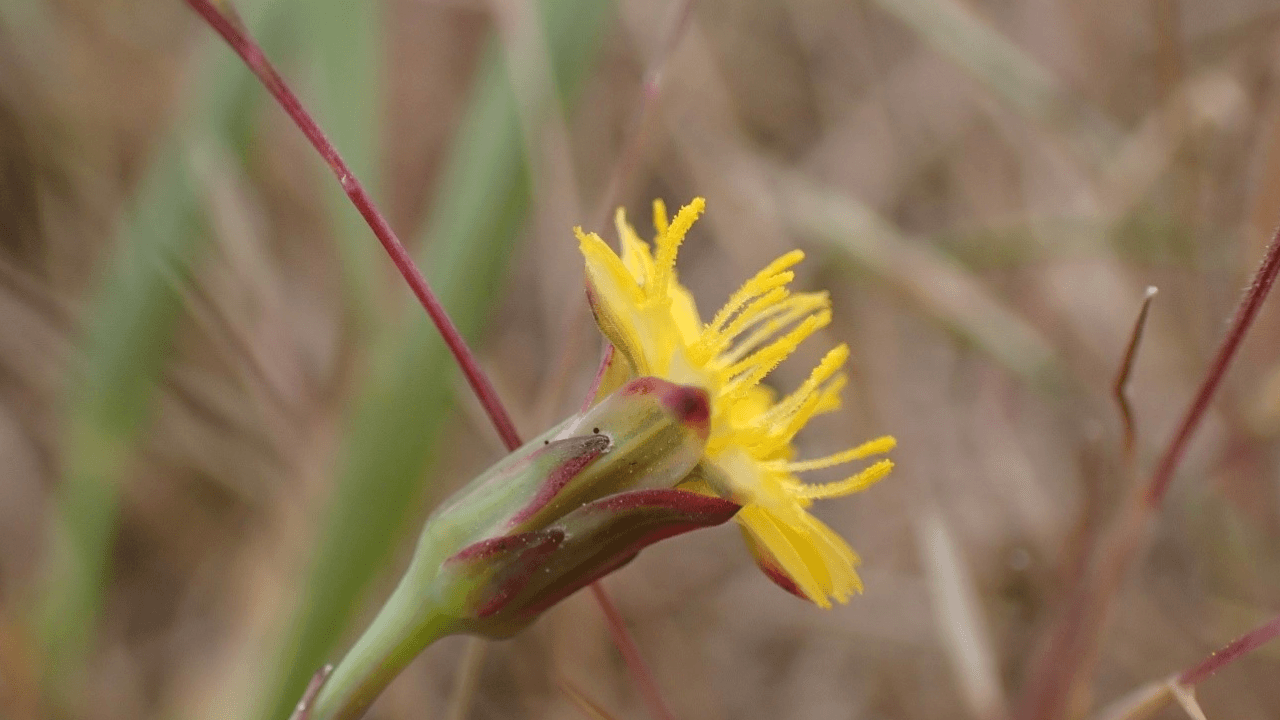

Rewilding plant diversity has emerged as one of the most effective strategies for ecological restoration in modern conservation. Recent botanical surveys conducted at ambitious ecological restoration sites, such as the prominent Wild Ken Hill project in Norfolk, demonstrate that returning marginal agricultural land to its natural state yields astonishingly fast environmental recovery. When human intervention ceases and natural processes take over, ecosystems exhibit a remarkable capacity for rapid self-healing.
Table of Contents
Understanding Rewilding Plant Diversity
For decades, intensive farming practices stripped vast landscapes of their native flora and fauna. Chemical fertilizers, continuous plowing, and monoculture crop production drastically reduced ecological richness. However, modern conservation efforts focus on reversing these trends through ecological restoration. By allowing native seeds to germinate and encouraging natural succession, conservationists observe dramatic increases in vegetation variety.
Ecologists measure recovery by tracking the number of distinct species per square meter. When agricultural plots are abandoned, early pioneer species take root quickly. Over a surprisingly short timeframe, perennial plants, native grasses, and wildflowers establish stable communities that support complex food webs.
The Wild Ken Hill Case Study
In 2019, a major conservation project began transforming approximately 500 acres of marginal agricultural acreage in Norfolk, England, back into a wild landscape. Botanists and researchers monitored the site closely to document how quickly nature could reclaim cultivated soil. The results exceeded all initial expectations.
Surveys conducted just three years after the project’s inception revealed that average plant diversity across the entire project area had doubled. Even more impressively, on specific ex-arable plots where crops were previously grown, the average number of recorded plant species skyrocketed fourfold—climbing from a meager 7 species per sample plot up to an astonishing 32 species.

The Role of Grazing Animals in Ecological Recovery
A primary driver behind this botanical explosion is the strategic introduction of free-roaming grazing animals. Instead of relying solely on mechanical management or leaving the land completely untouched, conservation managers introduced herbivores such as cattle, ponies, and pigs to mimic historical natural processes.
- Disturbance: Hooves break up compacted agricultural soil, creating micro-sites where dormant seeds can finally access light and moisture.
- Natural Fertilization: Livestock deposit manure naturally, enriching the nutrient-poor soil without synthetic chemicals.
- Selective Grazing: Animals consume dominant, aggressive grasses, preventing them from choking out delicate wildflowers and rare native herbs.
This dynamic interaction between herbivores and vegetation creates a patchy, heterogeneous landscape. Such structural variety provides countless ecological niches, allowing specialized plant species to thrive alongside more common vegetation.
Broader Environmental Impacts on Insects and Birds
The sudden abundance of botanical variety does not happen in isolation. A flourishing plant community serves as the essential foundation for a healthy, functioning food web. As flowering plants and native grasses multiply, local wildlife populations respond enthusiastically.
| Trophic Level | Observed Change | Ecological Benefit |
|---|---|---|
| Flora | 4x increase on ex-arable plots | Provides foundational habitat and biomass |
| Insects | Rapid population growth | Pollinators find abundant nectar and larval food sources |
| Avian Species | Increased foraging activity | Insectivorous and seed-eating birds find stable food supplies |
Pollinators such as bees, butterflies, and hoverflies quickly colonize restored plots. In turn, these abundant insect populations provide vital sustenance for declining farmland bird species, small mammals, and reptiles. The entire ecosystem transitions from a biological desert into a vibrant, resilient sanctuary.
Conclusion
The remarkable findings from rewilding projects demonstrate that nature possesses an extraordinary capacity for rejuvenation when given the space and time to heal. By supporting initiatives that enhance rewilding plant diversity, landowners and conservationists can reverse decades of environmental degradation. As these successful case studies show, stepping back and letting natural processes guide ecological recovery offers a powerful, optimistic pathway toward a greener, more biodiverse future.