

Table of Contents
- Introduction
- Design and Build Quality
- Display Performance
- Hardware and Performance
- Camera Capabilities
- Battery and Charging Speeds
- Price and Value Comparison
- Conclusion
Introduction
The Samsung Galaxy A55 vs Vivo V30 Pro comparison highlights two of the most anticipated mid-range smartphones available today. Choosing between these affordable premium Android devices can be challenging for consumers who want flagship-level features without paying flagship prices. Both manufacturers have packed substantial hardware improvements into these iterations, making this rivalry particularly fierce in the sub-Rs 45,000 price segment.
As mobile technology continues to evolve, mid-range smartphones now offer capabilities that were previously exclusive to expensive flagship devices. Users no longer need to compromise drastically on build quality, camera versatility, or daily performance when shopping on a budget. This comprehensive analysis evaluates every major aspect of both handsets to help you make an informed purchase decision.

Design and Build Quality
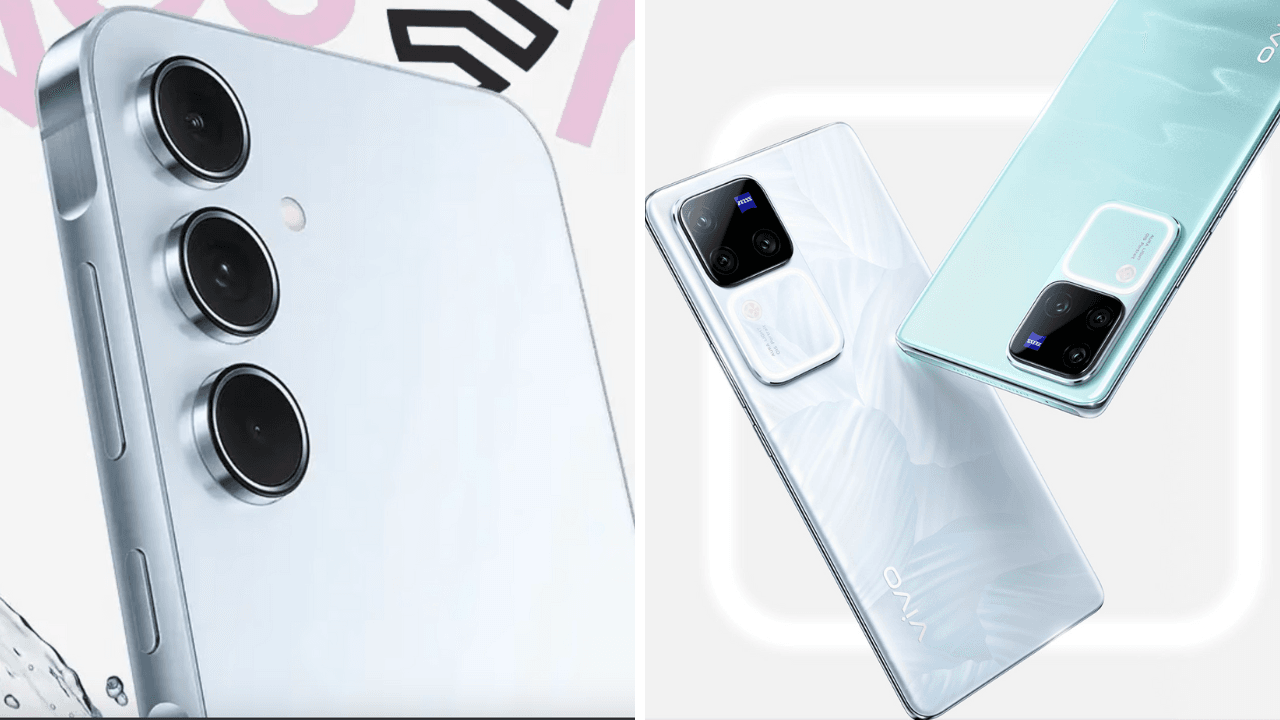
When evaluating the physical construction of these phones, both brands adopt distinct philosophies. Samsung relies on its traditional minimalist aesthetic, featuring a metallic frame paired with durable glass protection on both the front and back. The physical button placement and overall in-hand feel closely mirror the company’s high-end S-series lineup.
On the other hand, Vivo focuses heavily on slim profiles and eye-catching rear panel finishes. The Vivo V30 Pro feels remarkably light in the hand, making it comfortable for extended single-handed usage. However, personal preference often dictates the final verdict regarding ergonomics:
- Samsung Galaxy A55: Boxier frame, metal sides, premium glass back, IP67 dust and water resistance.
- Vivo V30 Pro: Curved glass panels, ultra-slim profile, lightweight construction, IP54 dust and water splash resistance.
Display Performance
Visual output is a critical factor for modern smartphone buyers who consume vast amounts of media on the go. Both competitors feature vibrant panels equipped with high refresh rates, ensuring smooth scrolling and immersive viewing experiences.
Samsung equips its device with a flat Super AMOLED panel known for accurate color reproduction and reliable outdoor brightness. Meanwhile, Vivo opts for a curved AMOLED display that enhances the perception of bezel-less immersion. Users who prefer flat screens to prevent accidental touches will lean toward Samsung, while media enthusiasts might appreciate the curved aesthetic of the Vivo offering.
Hardware and Performance
Under the hood, processing power determines how well a device handles intensive applications, multitasking, and gaming sessions. The internal specifications differ significantly, reflecting the unique strategies of each brand.
- Processor: The Vivo V30 Pro runs on the MediaTek Dimensity 8200 chipset, which is optimized for high-efficiency gaming and multitasking. Samsung utilizes an in-house Exynos processor paired with generous RAM configurations.
- Storage Options: Both models generally offer ample storage, though baseline configurations and expandable storage options via MicroSD slots give Samsung a traditional advantage for media hoarders.
Daily performance on both devices remains exceptionally fluid. Basic tasks, social media browsing, and casual gaming present no challenges for either handset. However, sustained gaming performance may favor the MediaTek silicon found in the Vivo V30 Pro.

Camera Capabilities
Mobile photography is often the deciding factor for consumers. The camera hardware deployed in these two devices caters to slightly different user expectations.
Primary and Secondary Sensors
The Vivo V30 Pro heavily emphasizes its optics through a partnership with Zeiss, featuring multiple high-resolution sensors including dedicated portrait lenses. This setup excels at capturing natural skin tones and dramatic depth effects. Samsung responds with a reliable 50MP main sensor supported by robust software image processing and optical image stabilization (OIS), ensuring sharp shots in challenging lighting conditions.
| Camera Feature | Samsung Galaxy A55 | Vivo V30 Pro |
|---|---|---|
| Main Camera | 50MP with OIS | 50MP with OIS (Zeiss tuned) |
| Ultrawide Sensor | 12MP | 50MP |
| Front Camera | 32MP | 50MP autofocus |
Battery and Charging Speeds
Battery endurance ensures that users can stay connected throughout a busy workday without hunting for wall outlets. Both phones pack substantial battery capacities, typically hovering around the 5,000mAh mark.
However, a stark contrast appears in the charging speeds department:
- Samsung Galaxy A55: Supports 25W wired charging, prioritizing long-term battery health over raw speed.
- Vivo V30 Pro: Supports significantly faster 80W wired charging, allowing the device to replenish from zero to full in a fraction of the time.
Price and Value Comparison
Pricing strategy ultimately dictates market success in the affordable premium category. The Samsung Galaxy A55 starts around Rs 39,999, while the Vivo V30 Pro commands a slightly higher price tag near Rs 41,999. Buyers must weigh the value of faster charging and advanced camera optics against longer software update commitments and more robust physical durability ratings.

Conclusion
In summary, the Samsung Galaxy A55 vs Vivo V30 Pro showdown reveals two distinct winners depending on individual priorities. If you value a rugged build, reliable software updates, and expandable storage, Samsung remains the sensible choice. Conversely, if you prioritize ultra-fast charging, sleek ergonomics, and specialized portrait photography, the Vivo V30 Pro justifies its slightly higher investment. Carefully consider your daily requirements before making a final purchase.