
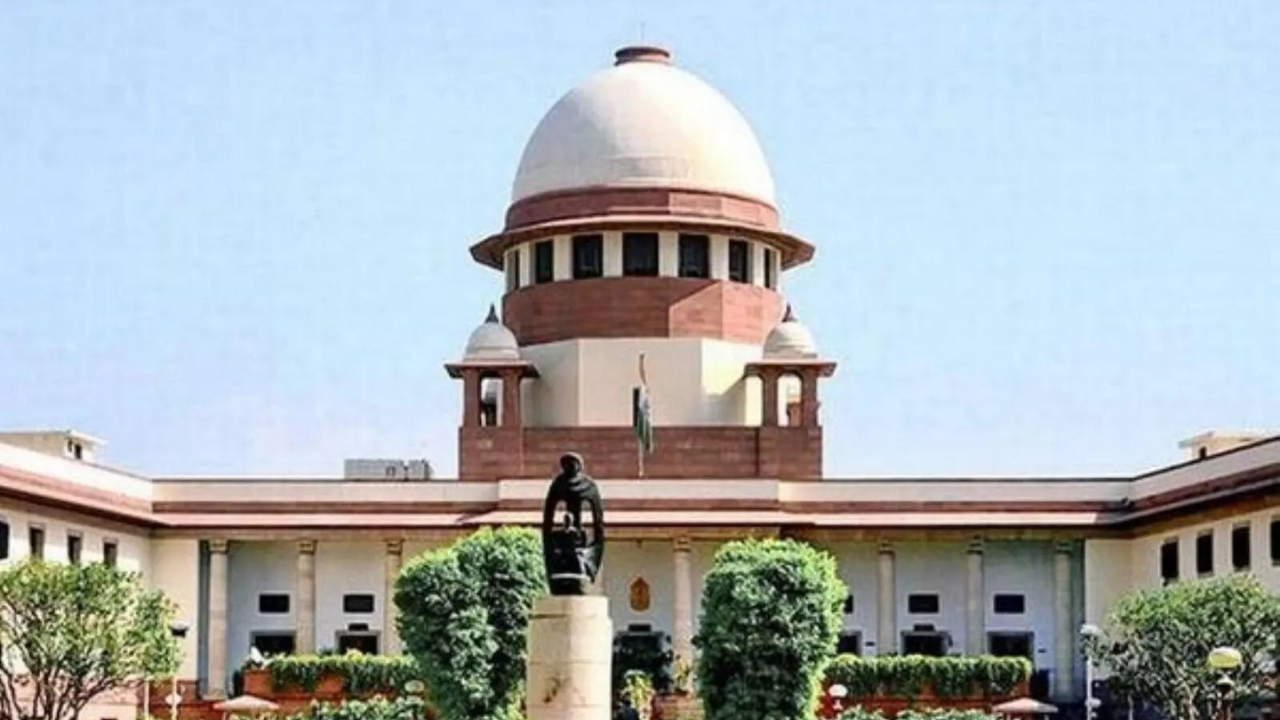

When examining modern governance and legislative accountability, few subjects spark as much intense debate as public servant remuneration and post-retirement benefits. Recently, the Supreme Court of India intervened significantly in a long-standing controversy by seeking a formal response from the Uttar Pradesh government regarding a public interest litigation. This crucial legal challenge questions the constitutionality and fairness of life pensions and lavish perks granted to former Members of the Legislative Assembly (MLAs) and Members of the Legislative Council (MLCs). As public scrutiny grows over how taxpayer funds are utilized, understanding the nuances of MLA pension reforms becomes paramount for citizens and legal scholars alike.
Table of Contents
1. Background of the MLA Pension Controversy
The debate surrounding financial privileges for lawmakers is not entirely new. Historically, legislators argue that adequate remuneration and post-retirement financial security are necessary to attract dedicated individuals to public service and to prevent corruption. Critics, however, point out a stark disparity between the financial realities of average citizens and the substantial lifetime benefits accrued by politicians, often after serving just a single term.
In Uttar Pradesh, the statutory provisions governing these benefits have evolved over decades through various legislative amendments. These changes frequently enhanced pensions, medical allowances, and travel perks without undergoing rigorous public debate. Consequently, civil society organizations and petitioner groups decided to challenge these provisions judicially, arguing that utilizing state exchequer funds for lifelong political perks violates fundamental principles of equality and social justice.
Financial Burden on the State Exchequer
Maintaining a growing roster of former legislators places a continuous strain on state finances. While individual disbursements might seem manageable, the cumulative lifetime payout for hundreds of former MLAs and MLCs totals millions of rupees annually. Key financial concerns raised by petitioners include:
- Continuous inflation-linked pension increments.
- Subsidized medical care for legislators and their immediate families.
- Lifetime travel allowances covering rail and air transit.
- Secretarial and office maintenance allowances post-retirement.
2. Supreme Court Intervention and Legal Arguments
The Supreme Court bench, acting on a meticulously drafted petition, issued notices directing the Uttar Pradesh administration to clarify its stance. The legal challenge fundamentally questions whether legislators possess the moral and constitutional authority to vote on their own salary revisions and pension schemes, creating an inherent conflict of interest.
Legal experts representing the petitioners argued that unlike ordinary government employees who contribute to contributory pension schemes or serve fixed retirement ages governed by strict service rules, lawmakers operate under a different framework. Granting lifetime pensions after merely five years in office, critics assert, creates an elite class of citizens heavily subsidized by public money.
Legal Precedents and Comparative Analysis
To provide a clearer picture of how other jurisdictions handle legislative perks, consider the following comparative overview:
| State / Jurisdiction | Pension Eligibility Criteria | Key Challenges Raised |
|---|---|---|
| Uttar Pradesh | Minimum one term (5 years) | Conflict of interest, heavy fiscal burden |
| Central Parliament | Minimum one term with indexed adjustments | Public accountability and fairness debates |
| Select Global Models | Contributory schemes mirroring civil servants | Alignment with general public pension structures |
3. Broader Implications for Legislative Perks in India
The outcome of this legal battle in Uttar Pradesh could establish a monumental precedent for legislative bodies across the country. If the apex court decides to curtail or strictly regulate these benefits, it might trigger a wave of similar petitions challenging politician pensions in other states and at the national level.
Furthermore, this case highlights the growing demand for independent remuneration commissions. Many governance reformers advocate for transferring the authority to fix salaries and pensions from lawmakers themselves to impartial, independent bodies, thereby eliminating the conflict of interest entirely.
4. Conclusion
The Supreme Court’s decision to seek a response from the Uttar Pradesh government marks a critical step toward greater fiscal transparency and accountability. As the legal proceedings unfold, the dialogue surrounding MLA pension structures will undoubtedly shape the future of ethical governance in India. Balancing the dignity of public office with fiscal prudence remains an essential challenge for modern democracies, making this landmark case one to watch closely in the coming months.