

Table of Contents
Introduction
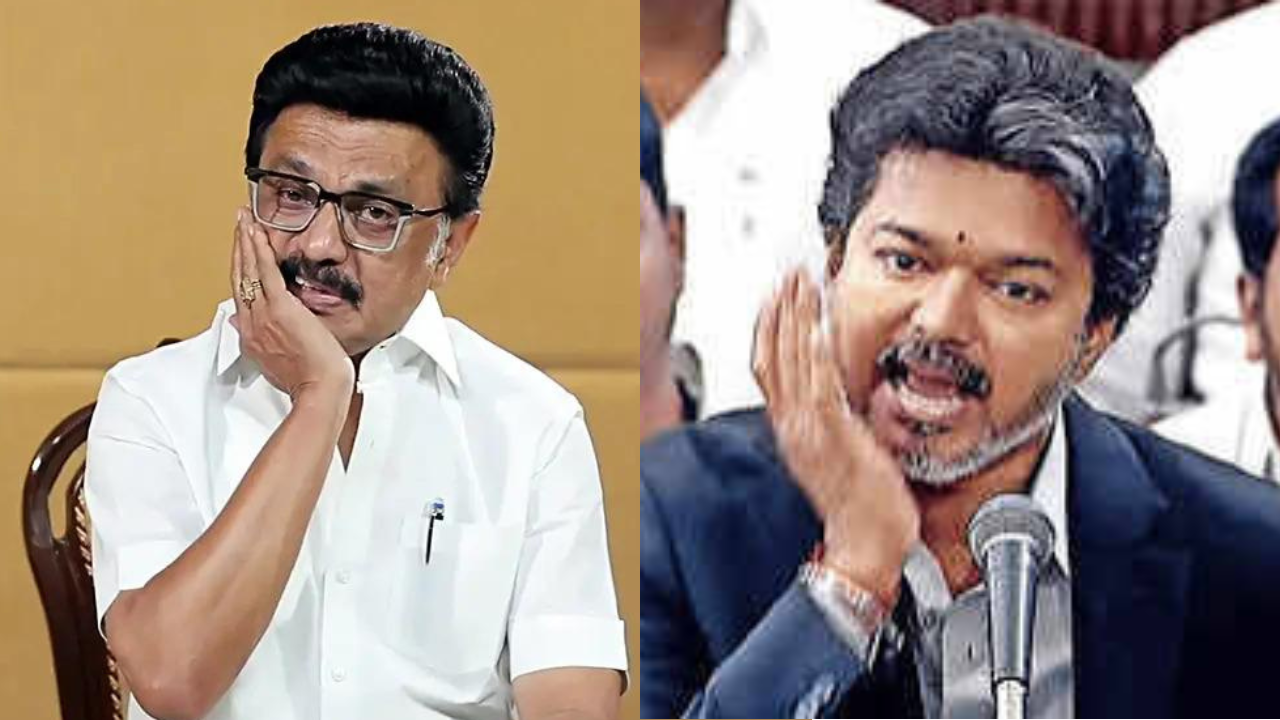
Stalin 2026 has become a focal point of intense discussion across Indian media following unexpected remarks made by political figures regarding a dramatic assembly gesture by actor-turned-politician Vijay. Tamil Nadu politics has always been a fascinating theatre of expressive body language, symbolic gestures, and sharp rhetorical comebacks. However, recent events have elevated the standard discourse into something entirely unprecedented, drawing nationwide attention to the subtle nuances of legislative behavior and off-camera interactions.
As political alliances shift and new contenders prepare for upcoming electoral battles, every single movement made by prominent leaders is scrutinized under a massive public microscope. The recent controversy surrounding a specific physical gesture inside the assembly hall has sparked fierce debates, memes, and serious journalistic analysis alike. Understanding the gravity of these developments requires a closer look at the key players, the timeline of events, and the broader implications for the future of regional governance.
Understanding Stalin 2026 and the Viral Gesture
The phrase Stalin 2026 encapsulates the forward-looking political aspirations and strategic planning currently underway in the southern state. When the discussion around Vijay’s assembly gesture first gained traction, analysts immediately tried to decode the underlying message. Body language in politics often speaks louder than prepared speeches, and this particular incident was no exception. Observers noted that non-verbal communication has increasingly become a powerful tool for opposition parties to signal defiance, confidence, or subtle critique.

Details surrounding the incident quickly flooded social media networks, turning a localized legislative moment into a viral sensation. While critics attempted to downplay the interaction, supporters amplified the significance of the visual cues. The subsequent confirmation by political leaders added unexpected fuel to the fire, transforming speculation into verified narrative. Such transparency is rare in modern political maneuvers, making the latest developments a watershed moment for regional media coverage.
Public Reaction and Media Amplification
The speed at which public opinion forms around such incidents highlights the evolving nature of digital political communication. Digital platforms allow supporters and detractors to dissect every second of legislative footage. Consequently, public figures must navigate an environment where physical expressions are preserved forever in high-definition video clips.
- Rapid dissemination of assembly footage across mainstream and social platforms.
- Intense speculation by political commentators regarding future electoral alliances.
- Direct public statements from leadership addressing viral rumors head-on.
The Political Ripple Effect in Tamil Nadu
The intersection of cinema and politics in Tamil Nadu has a rich, decades-long history, and the emergence of new cinematic political entities continues to reshape the landscape. The dialogue surrounding Stalin 2026 reflects this unique socio-political ecosystem, where established administrative power meets charismatic populist appeal. When legislative gestures become topics of public confession, it signals a deeper shifting of dynamics between ruling administrations and emerging challengers.
Experts suggest that these interactions are not merely accidental slips or trivial matters, but calculated components of ongoing political positioning. As parties gear up for future legislative contests, establishing narrative control over visual moments is crucial. Whether through official press briefings or candid public addresses, leaders strive to frame these episodes in a way that aligns with their overarching campaign strategies.
Historical Context of Political Theater
To fully appreciate the weight of the recent assembly gesture and subsequent admissions, one must examine the legacy of political communication in the region. Historically, leaders from various ideological backgrounds have utilized dramatic flair to connect with the electorate. From stirring oratorical masterpieces to carefully orchestrated symbolic actions, the state’s political arena has always favored expressive personalities.
The current political climate maintains this dramatic tradition while adapting to the demands of twenty-first-century media consumption. In an era dominated by short-form video content and instant reactions, traditional political decorum often intersects with modern spectacle. This blend ensures that legislative sessions remain prime viewing for citizens eager to decode the hidden messages behind every smile, nod, and physical gesture.
Conclusion
In summary, the intense public discourse surrounding Stalin 2026 and the recent assembly gesture highlights the enduring power of political symbolism in India. What began as a subtle legislative moment has evolved into a major talking point that illustrates the complex relationship between established governance and rising political forces. As the political calendar marches forward, observers can expect further theatrical displays and strategic communications to shape the destiny of the state’s political future.