

Table of Contents
Introduction to the Asia Cup Trophy Controversy
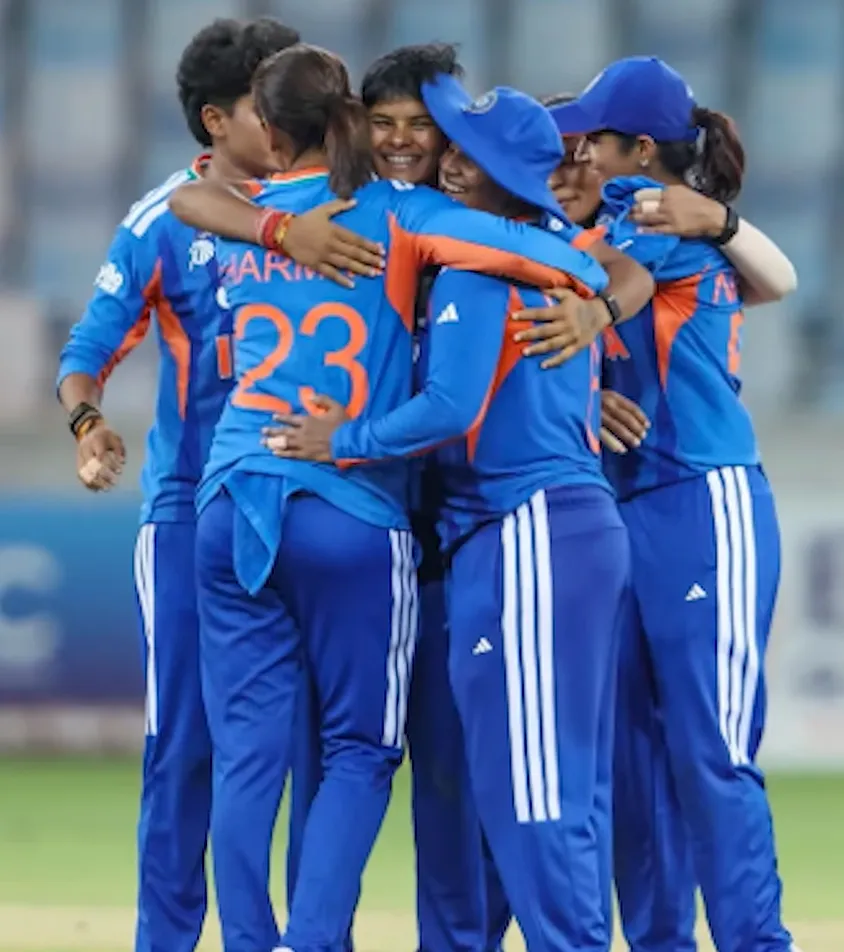
India’s Women’s Asia Cup triumph in Dubai was overshadowed by another awkward trophy presentation involving Asian Cricket Council president Mohsin Naqvi, as the champions once again declined to collect the silverware from the Pakistan Cricket Board chief. This remarkable event drew global attention. Fans tuning into the Stunning Asia Cup finals witnessed unprecedented drama on the podium.
India defeated Sri Lanka by 72 runs in the final to claim the title, but the post-match ceremony was held up amid a clear standoff. The official remained at the venue, but India’s players were unwilling to receive the trophy from him, creating a tense atmosphere on the field during the ceremony. Viewers following the Stunning Asia Cup updates quickly realized that political undertones were overshadowing the sporting spectacle.
The episode was strikingly similar to last year’s men’s Asia Cup final, when India’s victorious team had also refused to accept the trophy from Mohsin Naqvi. This repeating pattern has once again put the spotlight on his dual role as a senior cricket administrator and a prominent figure in Pakistan’s government. The ongoing situation highlights deep-seated administrative tensions in international cricket today.
As fans and analysts watched the unfolding events in Dubai, the focus quickly shifted from the dominant athletic performance on the pitch to the diplomatic standoff on the podium. International cricket has long intersected with political realities, but consecutive incidents involving the same official have brought these underlying tensions directly into the global spotlight.
The refusal of the Indian team to accept accolades underscores a broader reluctance to engage in ceremonial traditions that blur the lines between state governance and sporting administration. Such gestures resonate deeply within the context of bilateral sporting relations, turning a routine medal and trophy handover into a heavily scrutinized moment of sports diplomacy during the Stunning Asia Cup cycle.
Furthermore, these recurring standoffs demonstrate that administrative protocols cannot easily bypass geopolitical realities. When high-ranking political figures step onto the podium in a dual capacity, the ceremonial aspect of sports can quickly transform into a platform for silent protest or political signaling, affecting the overall mood of a major international victory.
Mohammad Kaif Questions Dual Responsibilities
Former India batter Mohammad Kaif has questioned whether officials can give sufficient attention to cricket administration while simultaneously handling major political responsibilities. Kaif pointed out the immense difficulty of managing two high-profile domains at the exact same time. Running a major sports organization requires complete dedication and an immense investment of time and energy.
Expressing his strong views on the matter, Kaif shared clear perspectives during a discussion:
- Are they living in the past and lacking a reality check?
- The sports boss is deeply involved in politics while serving as the head of the board.
- Managing political commitments alongside running a cricket board is an exceptionally difficult job.
- Comparing the setup to organizations like the BCCI shows that effective leaders focus solely on cricket.
According to Kaif, an individual must choose a single path rather than trying to balance conflicting high-stakes careers. Leadership in sports demands undivided attention to address internal challenges and foster growth properly. Kaif elaborated that anyone attempting to oversee a national cricket board must be entirely invested in the daily operations, player welfare, and infrastructural development of the sport without being distracted by heavy governmental portfolios.
Furthermore, Kaif noted that the demands of modern sports administration require a full-time commitment. Whether dealing with broadcasting rights, domestic structures, or international relations, a leader cannot afford divided attention. By drawing comparisons to other major cricketing boards, he emphasized that professional excellence in sports governance stems from specialization rather than multitasking across unrelated domains, a point heavily debated following the Stunning Asia Cup drama.
The debate sparked by Kaif’s analysis resonates across the wider cricketing landscape, where critics often argue that sports administration should be insulated from political appointments to ensure optimal performance and transparency.
Broader Implications for Pakistan Cricket
The administrative responsibilities extend far beyond the PCB. As ACC president, PCB chairman, and Pakistan’s Interior Minister, Mohsin Naqvi occupies influential positions across both cricket and government. This unique combination makes involvement in major India-Pakistan cricket events particularly sensitive and prone to diplomatic friction.
Despite these administrative storms, Kaif rejected the idea that Pakistan’s cricketing problems stem from a fundamental lack of talented players. The former India international noted that Pakistan continues to possess considerable natural ability. However, he emphasized that the country urgently needs a better system and the right people to turn that raw talent into consistently successful professional cricketers.
The latest controversy has ensured that India’s Women’s Asia Cup victory will be remembered for more than just their dominant 72-run win over Sri Lanka. Instead of a routine, joyful trophy presentation, the final once again ended with an unresolved presentation during the Stunning Asia Cup tournament.
With a nearly identical situation having played out at the men’s tournament last year, questions over Mohsin Naqvi and the role at the intersection of sports administration and politics are guaranteed to remain part of the global cricket conversation.
Developing a sustainable cricketing ecosystem requires administrative stability and clear visionary leadership. When top officials are simultaneously burdened with high-stakes national security and political duties as Interior Minister, the overarching strategic planning for the sport can frequently suffer from a lack of consistent oversight.
Without dedicated leadership focused entirely on structural reform, building a robust domestic pipeline to support natural talent remains an uphill battle for Pakistan cricket.
Frequently Asked Questions
Why did India refuse the trophy during the Stunning Asia Cup?
India’s players declined to collect the silverware during the post-match presentation, mirroring a similar standoff that occurred during the men’s final last year.
What multiple roles does the official hold?
Mohsin Naqvi serves as the Asian Cricket Council president, the Pakistan Cricket Board chairman, and Pakistan’s Interior Minister, combining high-level political and sports duties.
What was Mohammad Kaif’s main criticism?
Mohammad Kaif questioned whether adequate management of cricket administration is possible while maintaining heavy political commitments, arguing that leaders must choose a single focus.
Conclusion
The recurring presentation controversy highlights the complex challenges that arise when political figures hold top sporting offices. As former players like Mohammad Kaif point out during post-match coverage, administrative focus remains critical for the future of the game. Until structural boundaries are clearly defined, controversies involving figures like Mohsin Naqvi during events like the Stunning Asia Cup will likely continue to surface during major international tournaments.
Ultimately, the intersection of sports and politics remains a delicate balancing act that requires careful navigation. As international cricket looks toward future events, the ongoing discussions surrounding administrative dual roles and ceremonial protocols will undoubtedly shape how governing bodies approach high-profile tournaments and cross-border participation.
Furthermore, examining these official capacities sheds light on the broader governance issues affecting regional boards. Whether leadership styles will shift remains to be seen as cricket administrators navigate upcoming administrative hurdles in international sports.