

Table of Contents
Introduction
Crowdfunding has fundamentally changed how independent artists bring their creative visions to life. When filmmaker Sulagna Chatterjee set out to make her short film, she relied not on traditional studio backing, but on the power of community support. Through strategic planning, genuine storytelling, and relentless outreach, she successfully crowdfunded Olakh with the help of 230 dedicated supporters. This achievement highlights a growing shift in modern cinema, where independent creators bypass traditional gatekeepers to connect directly with audiences who believe in their vision.
The Genesis of Olakh
From Therapy to Script
The journey of Olakh did not begin in a writer’s room or a bustling film set. Instead, it traces its roots back to a deeply personal and transformative therapy session. Filmmaker Sulagna Chatterjee processed emotional complexities that eventually sparked the thematic core of the narrative. Translating these intimate reflections into a cinematic format required careful consideration. The project needed to resonate with viewers while remaining true to its emotional origins.
Casting Visionary Talent
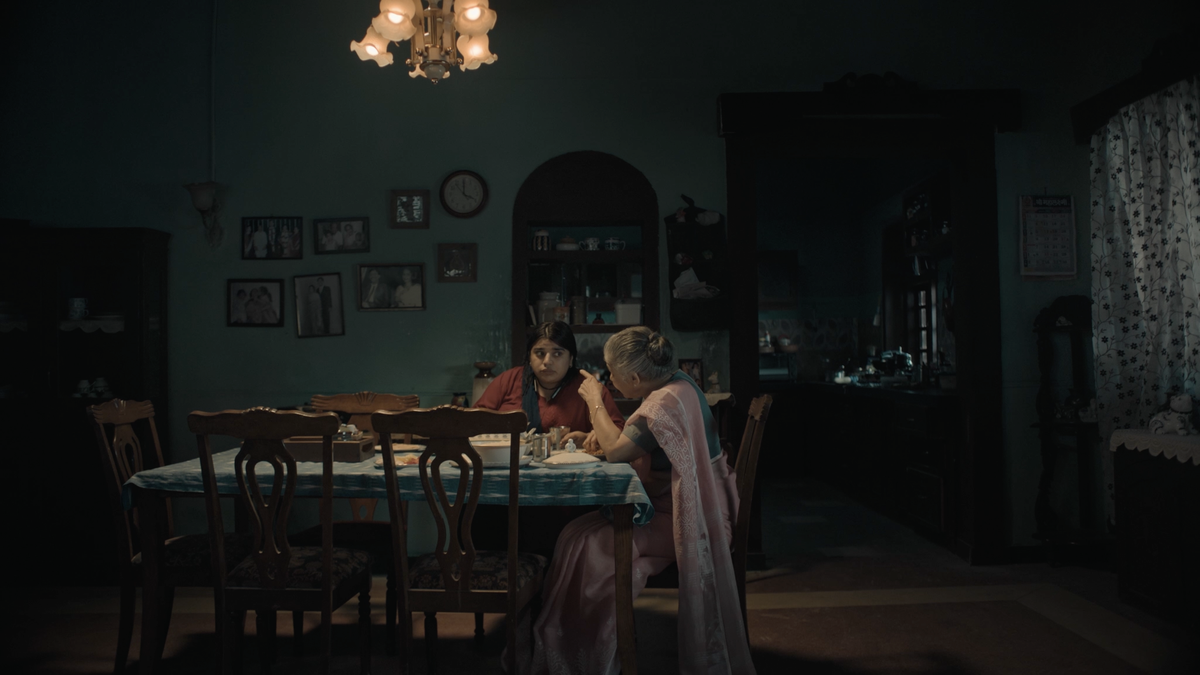
Bringing the script to life required a stellar cast capable of handling nuanced emotional beats. Olakh ultimately secured legendary actress Suhasini Mulay alongside talented performer Nikita Grover. Their involvement elevated the production value and added profound depth to the characters. The collaboration between the director and the cast transformed a deeply personal concept into a universally relatable cinematic piece.
The Crowdfunding Strategy
Mobilizing 230 Supporters
Financing an independent film is rarely straightforward. Facing financial hurdles, Chatterjee turned to digital crowdfunding platforms to gather the necessary resources. Over several intensive months, the campaign gained traction, ultimately uniting 230 backers who contributed to the budget. Effective communication, transparent updates, and engaging promotional material played a vital role in convincing contributors to invest in the vision.
Lessons in Independent Financing
Securing funds through public contributions teaches filmmakers valuable lessons about audience engagement. Creators must build trust long before asking for financial contributions. For those looking to dive deeper into independent cinema production, exploring our indie film production guide can offer additional strategic insights. Building a community around a project ensures that creators have an audience waiting even before post-production begins.
Festival Run and Reception
Journey to the Screen
What started as a modest concept developed in a Mumbai kitchen has now transitioned onto prestigious global platforms. The short film completed an impressive journey, traveling from intimate creative spaces to major international showcases, including the Indian Film Festival of Melbourne. This trajectory proves that authentic storytelling transcends budgetary limitations.
Audience and Critic Response
The reception at film festivals validated the arduous crowdfunding and production process. Viewers connected deeply with the honest portrayal of relationships and personal growth depicted in the film. Such milestones encourage emerging filmmakers to trust alternative funding models and maintain creative independence.
Conclusion
The success of Olakh stands as a testament to the power of community-driven art. By leveraging personal vulnerability and a robust crowdfunding campaign, Sulagna Chatterjee turned a simple therapeutic breakthrough into an acclaimed cinematic work. As independent financing models continue to evolve, projects like this serve as a powerful blueprint for aspiring filmmakers worldwide.