
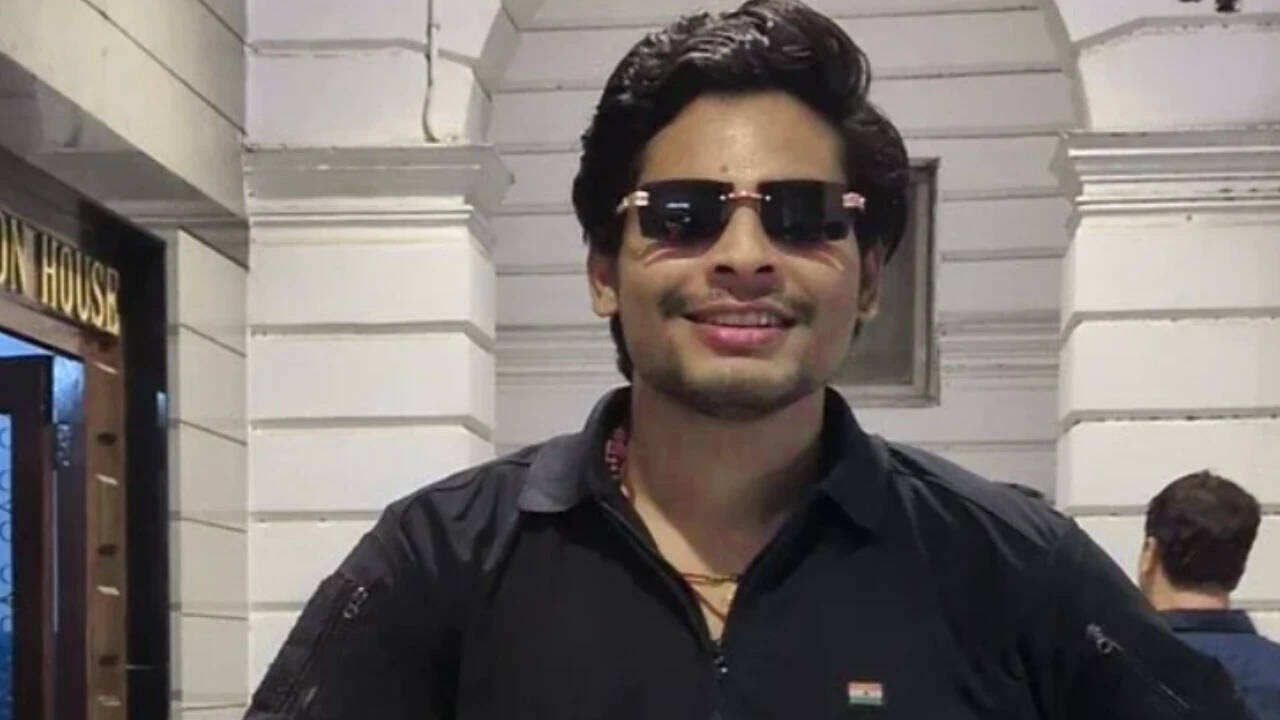

When discussing the complex legal entanglement of public figures, Swatantra Bhardwaj and his recent legal challenges stand out as a notable focal point in ongoing free speech and protest jurisprudence in India. The recent high-profile arrest of the digital creator by law enforcement has sparked intense public debate, judicial scrutiny, and questions regarding jurisdictional authority during interstate arrests.
Table of Contents
Introduction to the Swatantra Bhardwaj Case
The intersection of digital content creation, public activism, and state policing has increasingly occupied the attention of Indian courts. The case involving Swatantra Bhardwaj brings these tensions to the forefront. Law enforcement actions, particularly across state lines, require strict adherence to procedural protocols, making this specific legal battle a critical benchmark for future jurisprudence.

The Controversial Arrest in Bulandshahr
The Jurisdictional Debate and Police Action
The controversy intensified when Delhi Police personnel traveled to Bulandshahr in Uttar Pradesh to execute an arrest connected to the Jantar Mantar protest case. The detained individual vocalized strong objections to the procedure, claiming that law enforcement overstepped their boundaries.
Interstate arrests often involve intricate coordination between local police stations of different states. The contention raised by the defense highlighted the perceived audacity of executing an arrest outside the primary jurisdiction without prior localized notice, a point that continues to be evaluated under criminal procedure guidelines.
Legal Arguments and Supreme Court Standing
Defense Claims Regarding Quashed FIRs
During the hearings, the legal counsel representing Swatantra Bhardwaj forcefully argued that the Supreme Court of India had previously quashed all First Information Reports (FIRs) lodged against him concerning the controversial assembly at Jantar Mantar. According to the defense team, any subsequent police action or continuation of custody constitutes a violation of judicial directives.
The Prosecution Stand on Active FIRs
Conversely, the prosecution vehemently contested these claims. Representatives for the state maintained that the specific FIR under which the apprehension was made remains entirely active and has not been officially nullified by any higher judicial authority. This stark contradiction prompted the bench to demand precise documentation and a definitive status report from the police department.
Delhi High Court Proceedings and Judicial Custody
As the legal battle shifted to the High Court, the bench closely examined the conflicting statements presented by both sides. Pending a comprehensive review of the active status of the disputed FIR, the judicial magistrate extended the custody of Swatantra Bhardwaj by an additional fourteen days.
Legal analysts suggest that the court’s final determination will heavily depend on whether the defense can produce indisputable proof that all connected criminal proceedings were indeed terminated by the apex court.
Broader Implications for Digital Influencers
This unfolding legal saga sheds light on the growing accountability and legal risks faced by digital influencers and commentators in India. As regulatory frameworks evolve regarding online speech and public demonstrations, individuals operating in digital spaces find themselves navigating a labyrinth of legal statutes and potential police actions.
Key considerations arising from this case include:
- The legal boundaries of interstate police operations.
- The interpretation and tracking of multiple FIRs across different jurisdictions.
- The rights of content creators during public protests and subsequent investigations.
Conclusion
The legal challenges surrounding Swatantra Bhardwaj remain fluid as the judiciary untangles conflicting claims regarding active FIRs and procedural legality. With custody extended and the High Court demanding clarity from law enforcement, this case serves as an important reminder of the complex interplay between law enforcement powers, judicial oversight, and the rights of citizens in the digital age.