

Table of Contents
Introduction: The Trash Talk NYC Movement
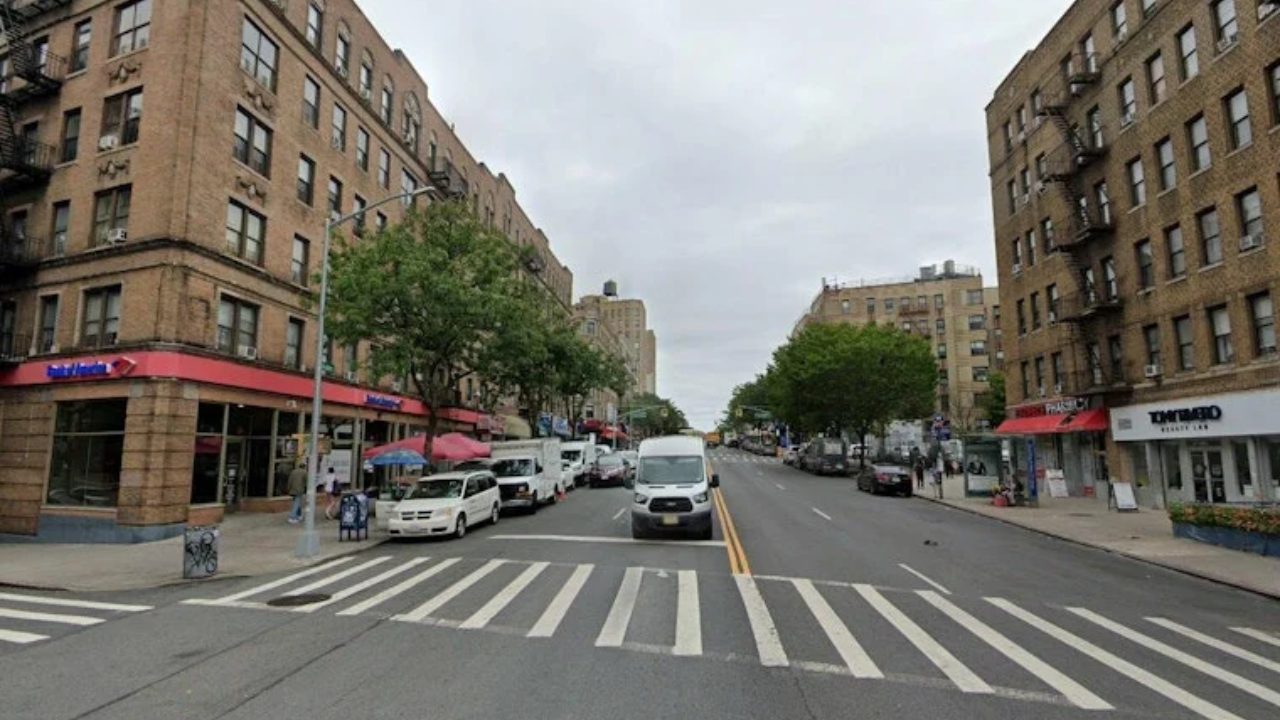
Urban decay often feels like an insurmountable problem in major metropolitan areas, yet the Trash Talk NYC project proves that individual determination can catalyze massive systemic change. When one resident decided to tackle a chronically neglected block in Washington Heights, he did not wait for municipal intervention. Instead, he took up a broom, invested his own resources, and documented his journey online. This inspiring narrative demonstrates how grassroots movements can effectively restore civic pride and transform urban landscapes.

Local volunteers and residents working together to revitalize urban streetscapes.
The Genesis of the Trash Talk NYC Initiative
Every great movement starts with a single step. For David Clarke, that step involved confronting the persistent litter, overflowing bins, and neglected tree beds right outside his doorstep. Frustrated by the steady decline of his immediate environment, Clarke recognized that complaining on social media or filing endless municipal tickets yielded slow results. He decided to take direct action.
Identifying the Core Problems
The targeted block suffered from several compounding urban issues:
- Chronic illegal dumping of household waste.
- Overgrown weeds and trash-filled tree pits.
- General apathy toward shared public infrastructure.
- Insufficient traditional sanitation sweeps.
Rather than accepting these conditions as the permanent baseline of city living, Clarke committed to a daily routine aimed at reversing the decay.
100 Days of Dedicated Cleanup and Investment
Consistency remains the cornerstone of any successful urban renewal project. Clarke committed to cleaning the exact same block every single day for one hundred consecutive days. Armed with basic cleaning supplies—brooms, trash bags, gloves, and small landscaping tools—he spent hours clearing debris.
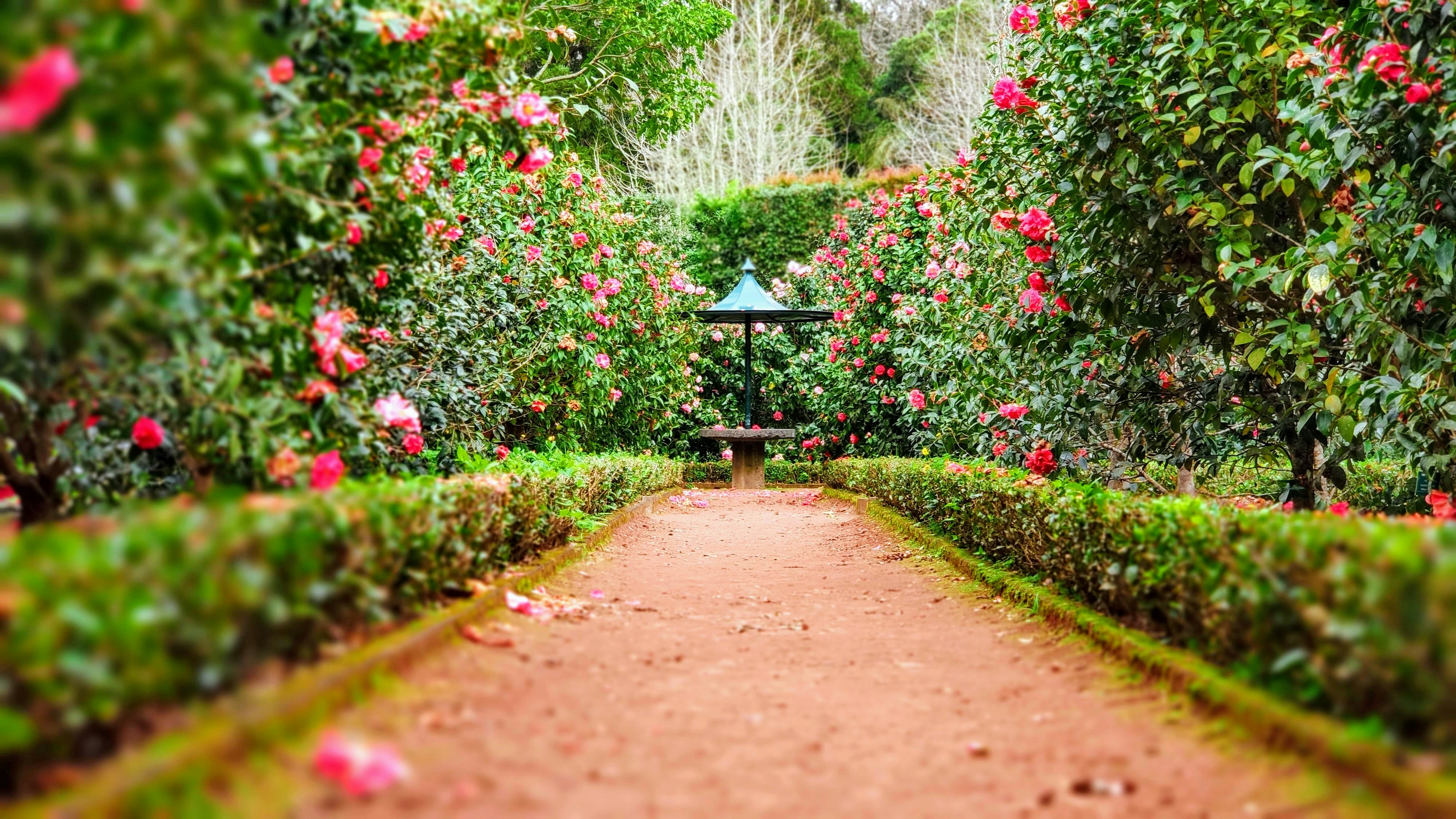
Transforming barren tree beds into vibrant neighborhood gardens.
Financial Investment and Beautification
Beyond simply picking up trash, Clarke invested approximately $2,000 of his personal funds into the project. He purchased soil, mulch, and seasonal plants to revitalize the barren tree beds lining the sidewalk. These small green patches quickly shifted the visual aesthetic of the street, turning a concrete canyon into a more welcoming, living ecosystem.
| Phase | Action Taken | Investment / Effort |
|---|---|---|
| Days 1-30 | Daily sweeping and litter removal | Time and basic cleaning tools |
| Days 31-60 | Clearing tree pits and removing weeds | Physical labor and waste bags |
| Days 61-100 | Planting flowers and installing mulch | $2,000 personal funds for greenery |
Mobilizing the Neighborhood and Sparking Action
Initially, neighbors watched with curiosity, perhaps skeptical of the lone cleaner. However, as the daily updates gained traction online under the Trash Talk NYC banner, public perception shifted dramatically. People began to notice the tangible difference on the block.
From Observer to Participant
The visual transformation served as a powerful catalyst. Soon, neighbors started stepping outside to offer assistance, donate supplies, or simply thank Clarke for his tireless work. What began as a solitary project evolved into a collaborative community effort. Residents took ownership of maintaining the newly planted tree beds, watering flowers, and monitoring litter.

Gaining momentum through neighbor participation and shared responsibility.
Lessons Learned for Urban Activism
The success of this Washington Heights initiative offers valuable blueprints for urban dwellers everywhere. Key takeaways include:
- Start Small: Focus on a manageable area, such as a single block or even a few tree beds.
- Be Consistent: Daily, incremental efforts yield visible, long-term results faster than sporadic massive overhauls.
- Leverage Digital Platforms: Sharing progress online can attract local volunteers, funding, and widespread moral support.
- Foster Ownership: Involving neighbors directly ensures the sustainability of the project long-term.
Conclusion: A Cleaner Future for New York
The Trash Talk NYC initiative underscores the profound impact that civic engagement can have on everyday life. By dedicating one hundred days to cleaning and greening a neglected block, one resident proved that public spaces belong to the community that uses them. As neighbors continue to collaborate and protect their shared environment, this inspiring story stands as a testament to the power of proactive citizenship and neighborhood pride.