


When a Vermont community decided to unseal a historical archive, the time capsule contents revealed an unexpected snapshot of 1970s counterculture and everyday life. While historical vaults typically contain mundane municipal documents, newspapers, and coins, this particular project offered a fascinating look into the social shifts of the era. Fifty years after its burial, residents gathered to examine the artifacts left behind by their predecessors, sparking widespread curiosity and amusement.
Table of Contents
Unearthing the Past: The 1976 Vermont Time Capsule
The tradition of burying historical containers has long served as a bridge between generations. Communities use these enclosed boxes to communicate directly with the future, offering a glimpse of their values, daily struggles, and triumphs. In this small Vermont town, the decision was made during the United States Bicentennial celebrations in 1976 to capture the true spirit of the decade rather than just sanitized official records.
As historians and local officials carefully extracted the container, excitement filled the air. Modern preservation techniques ensured that the items inside remained intact despite half a century underground. The unboxing event quickly drew regional attention, transforming a local historical gathering into a nationwide point of fascination.
Surprising Contents Revealed Inside the Vault
While standard commemorative items were certainly present, the collection featured several unconventional artifacts that stunned the assembled crowd. Rather than presenting an idealized version of society, the 1976 residents chose authenticity.

Caption: Historic items from past decades often reveal unexpected cultural nuances.
- A cannabis joint, representing the counterculture movement of the 1970s.
- Vintage birth-control packaging, highlighting shifting reproductive health conversations.
- A traditional garter belt, capturing fashion and intimacy norms of the period.
- Local newspapers chronicling the Bicentennial celebrations.
- Assorted photographs of town residents and local businesses.
Cultural Significance of 1970s Artifacts
The inclusion of items like birth-control packaging and recreational substances demonstrates a candid approach to historical preservation. During the 1970s, societal norms were undergoing rapid transformation. The sexual revolution, changing gender roles, and the mainstreaming of alternative lifestyles deeply influenced public consciousness.
Social Attitudes Then and Now
Comparing the items selected in 1976 with contemporary perspectives provides valuable context on cultural evolution. Items that felt daring or controversial five decades ago often represent standard societal milestones today. Historians emphasize that capturing these unfiltered aspects of daily life creates a much richer educational resource than polished institutional archives alone.
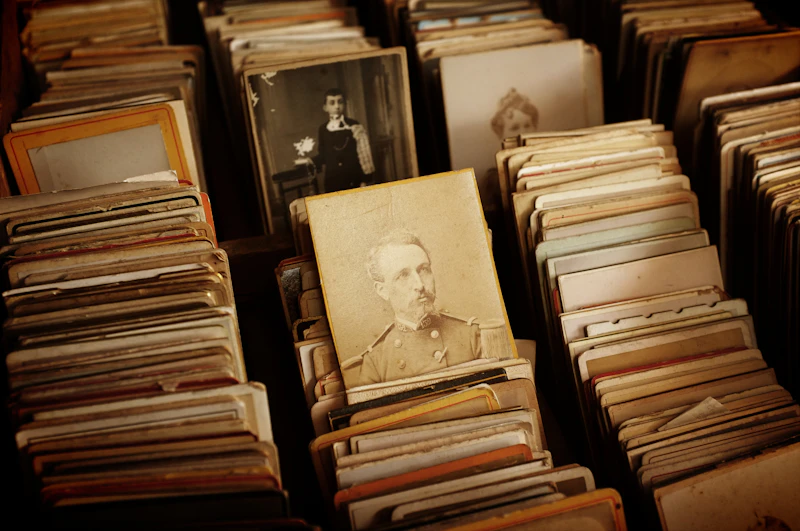
Caption: Preserving everyday artifacts helps historians understand past societal shifts.
Planning for the Future: The 2076 Capsule
Inspired by the success of the recent unearthing, community leaders have already initiated plans to assemble a brand-new container for future generations. Scheduled to be sealed and buried until 2076, this upcoming project aims to document contemporary life with the same candor and authenticity.
What Goes into the New Vault?
Organizers are currently debating which modern artifacts will best represent the 2020s. Proposals range from smartphones and digital storage drives to items reflecting current environmental concerns and cultural milestones. To learn more about modern archiving techniques, readers can explore our guide on preserving modern history.
Conclusion
The opening of the Vermont archive serves as a reminder that history is defined not only by grand political events but also by the everyday realities of ordinary people. By embracing both the conventional and the unconventional aspects of their culture, the residents of 1976 left behind an invaluable legacy. As the town prepares its next project for 2076, current generations continue a meaningful tradition of cross-generational storytelling.