
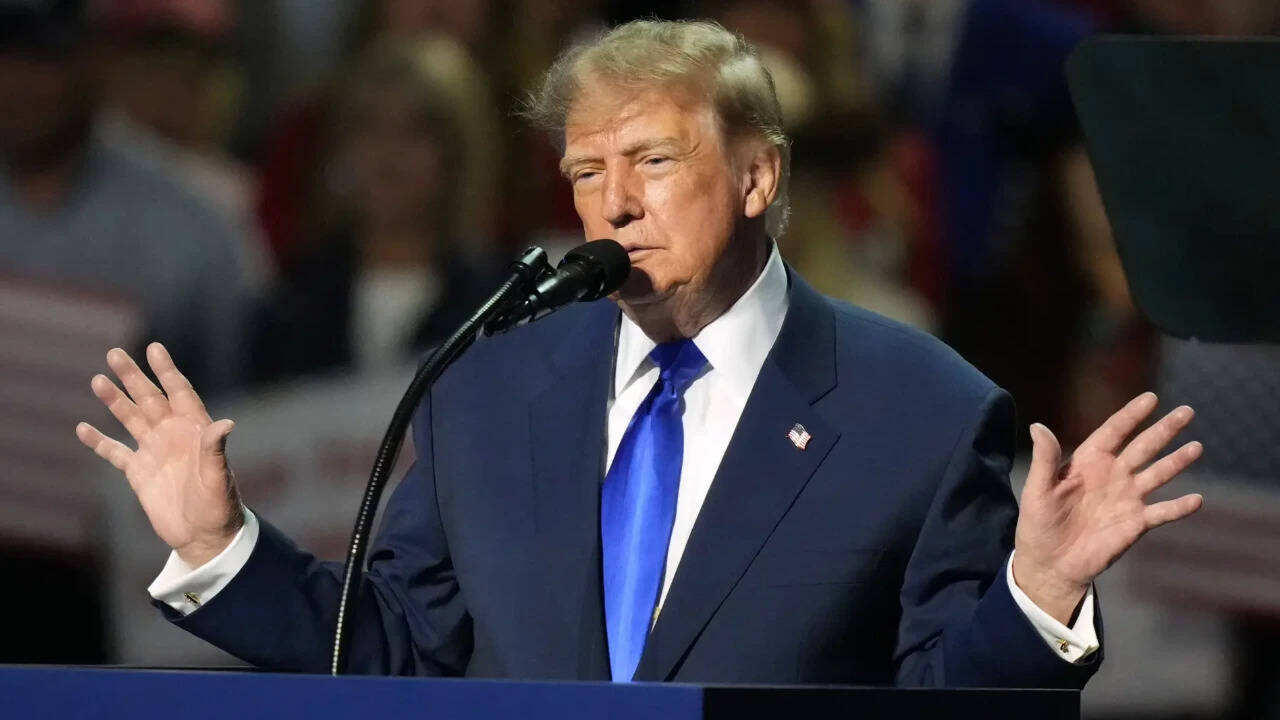

When examining modern geopolitical threats, few dynamics are as complex as the intricate relationship between foreign adversaries and domestic elections. Iran election interference has emerged as a critical point of discussion for intelligence agencies, cybersecurity experts, and political analysts alike. As global tensions fluctuate, foreign actors frequently adapt their methodologies to influence outcomes, shape public perception, and exploit perceived vulnerabilities within democratic processes.
Table of Contents
Introduction to Tehran’s Strategy
In recent years, the playbook utilized by foreign state actors has shifted dramatically from traditional espionage to sophisticated influence operations. Understanding how foreign governments attempt to sway domestic electorates requires a deep dive into historical precedents, current capabilities, and future projections. The primary objective is rarely to install a preferred candidate outright; rather, it focuses on eroding public trust, exacerbating societal divisions, and casting doubt on the integrity of democratic institutions.
Intelligence reports frequently highlight the multifaceted nature of these campaigns. They combine cyber intrusions, covert social media manipulation, and targeted messaging designed to resonate with specific demographic groups. By leveraging modern digital infrastructure, state-backed operatives can project influence far beyond their geographical borders with remarkable speed and anonymity.
The Evolution of Cyber Operations
The digital domain serves as the primary battleground for modern geopolitical maneuvering. Cyber operations have evolved from simple website defacements to highly coordinated, persistent advanced persistent threat (APT) campaigns. These activities target campaign infrastructure, election administration databases, and the personal accounts of key political operatives.
Experts emphasize that securing campaign infrastructure remains a paramount challenge. Political campaigns often operate with limited cybersecurity resources compared to government agencies or large corporations, making them lucrative targets for sophisticated state-sponsored hackers seeking valuable intelligence or proprietary strategic documents.
Targeting Key Political Figures
A central component of recent intelligence findings involves the direct targeting of high-profile political figures and their inner circles. By breaching private communications, malicious actors aim to acquire sensitive correspondence, internal polling data, and confidential strategy memos. Once acquired, this material is often leaked selectively or weaponized to create damaging narratives in the media.
This tactic not only disrupts the daily operations of a political campaign but also forces candidates to spend valuable time and resources managing public relations crises rather than focusing on policy debates and voter outreach.
Disinformation and Social Media
Beyond direct cyber intrusions, covert influence networks rely heavily on disinformation campaigns disseminated across major social media platforms. These operations utilize fake profiles, coordinated bot networks, and sometimes unwitting human proxies to amplify divisive content.
- Creation of fraudulent news sites mimicking legitimate journalistic outlets.
- Amplification of extreme political viewpoints from both ends of the ideological spectrum.
- Deployment of localized memes and messaging targeting swing states and critical voting blocs.
The goal is to polarize the electorate to such an extent that constructive political discourse becomes nearly impossible, ultimately leading to voter apathy or reduced confidence in election results.
Strengthening Democratic Defense Mechanisms
In response to these persistent threats, governments, technology companies, and cybersecurity firms have forged unprecedented partnerships to safeguard democratic processes. Proactive measures include enhanced threat intelligence sharing, rigorous security audits for political campaigns, and rapid response protocols to identify and neutralize foreign influence operations before they gain significant traction.
Furthermore, public awareness initiatives play a crucial role in building societal resilience. Educating voters on how to spot manipulated media, verify news sources, and recognize coordinated disinformation efforts empowers individuals to act as the first line of defense against foreign manipulation.
Conclusion
The threat landscape surrounding modern elections requires constant vigilance, adaptability, and cross-sector collaboration. While foreign adversaries continually refine their techniques, understanding the mechanics of these campaigns is essential for protecting the integrity of democratic institutions. By fortifying cybersecurity defenses and fostering a more informed electorate, nations can successfully mitigate these external pressures and ensure that democratic outcomes remain determined by voters alone.