

Table of Contents
Introduction
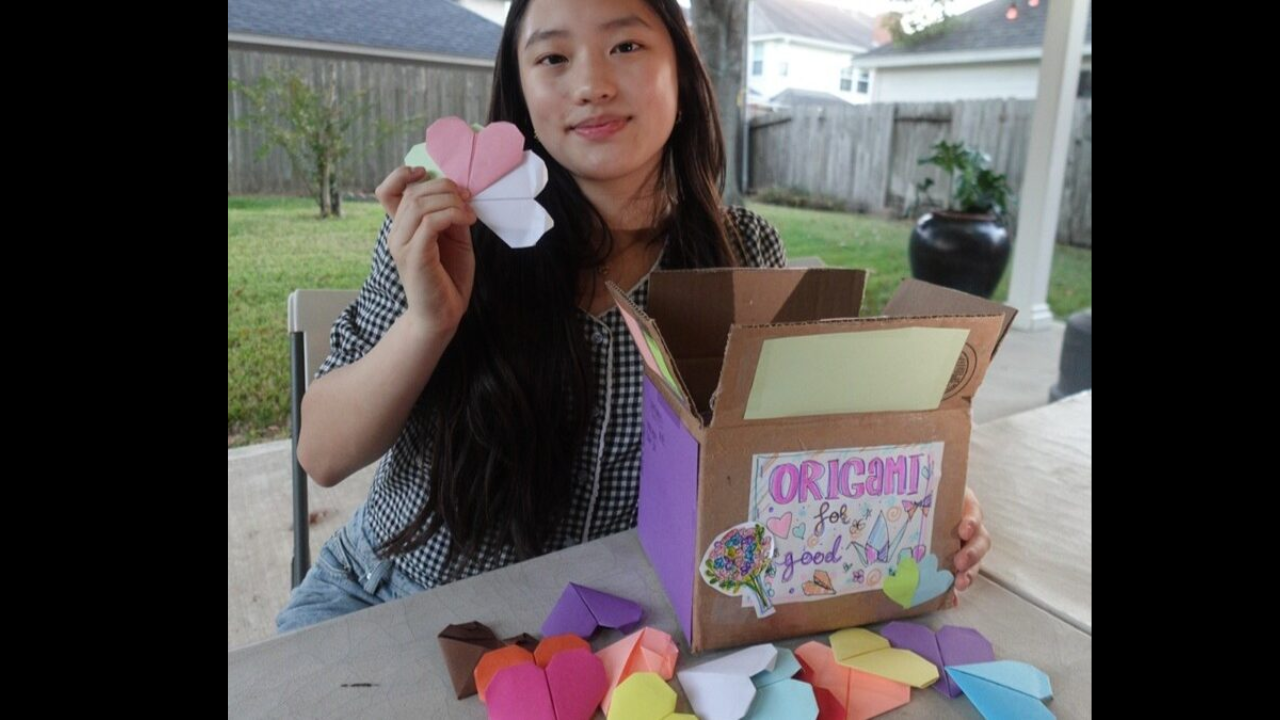
Origami For Good has rapidly emerged as a transformative international phenomenon, proving that simple acts of creativity can spark profound societal change. Founded by 17-year-old visionary Vivian Liu, this initiative harnesses the traditional Japanese art of paper folding to foster empathy, support vulnerable communities, and build leadership skills among young people worldwide. What began as a modest creative outlet during challenging times has since blossomed into a structured network spanning dozens of nations, uniting thousands of enthusiastic participants in a shared mission of compassion.
In an era often dominated by digital isolation, physical craft projects offer a tangible way to connect with others. Through the deliberate use of recycled and eco-friendly paper, participants not only share messages of hope with those facing hardships but also cultivate a deep sense of environmental responsibility. This comprehensive exploration examines how one teenager’s dedication ignited a worldwide movement, reshaping how youth engage with philanthropy and global citizenship.

The Origins of Origami For Good
The journey of Origami For Good traces back to a period of universal uncertainty. Faced with disruptions in daily life and traditional community service outlets, Vivian Liu sought a creative method to reach out to isolated individuals. Recognizing the universal appeal of paper folding, she began crafting intricate designs and distributing them with encouraging notes to local healthcare workers and nursing home residents.
The positive response was immediate and overwhelming. Recipients noted how receiving a handmade crane or flower brought comfort during difficult moments. Encouraged by this reception, Liu realized that the therapeutic nature of paper folding could be scaled beyond her immediate neighborhood. She established formal guidelines, created instructional tutorials, and invited peers to join her mission of spreading positivity through art.
Foundational Values and Mission
At its core, the organization relies on three foundational pillars:
- Compassion: Directing creative efforts toward comforting those in need.
- Sustainability: Utilizing scrap and recycled paper to minimize environmental footprints.
- Empowerment: Training young individuals to take charge of local community projects.
Global Expansion and Impact
What started as a localized project quickly scaled into an international network. Today, Origami For Good boasts more than 300 active chapters spread across 50 countries. Thousands of dedicated youth volunteers contribute their time and artistic skills to support hospitals, senior living facilities, and disaster relief organizations.
The operational model of the network relies on decentralized chapter leadership. Interested students can apply to start a local branch, receiving mentorship and digital toolkits that help them organize folding workshops and donation drives within their schools and community centers.
| Metric | Current Reach |
|---|---|
| Active Chapters | 300+ |
| Countries Involved | 50 |
| Volunteers | Thousands |
Youth Leadership and Environmental Consciousness
Beyond artistic creation, Origami For Good serves as an incubator for future leaders. Participants acquire essential administrative abilities, including event planning, public speaking, digital marketing, and team management. These practical competencies equip young volunteers with the confidence needed to tackle broader societal challenges.
Furthermore, the initiative places a strong emphasis on ecological mindfulness. Volunteers are encouraged to source discarded paper, old magazines, and sustainably produced materials for their projects. This dual focus ensures that the movement promotes both human wellness and environmental stewardship.
Conclusion
The remarkable rise of Origami For Good illustrates the profound potential of youth-led initiatives in addressing modern social and ecological challenges. Under the guidance of Vivian Liu, thousands of volunteers have demonstrated that acts of kindness, no matter how small, resonate across borders and cultures. As the network continues to expand into new territories, it stands as a testament to the enduring power of empathy, creativity, and collaborative action.