

Table of Contents
Introduction to Turtle Doves Conservation
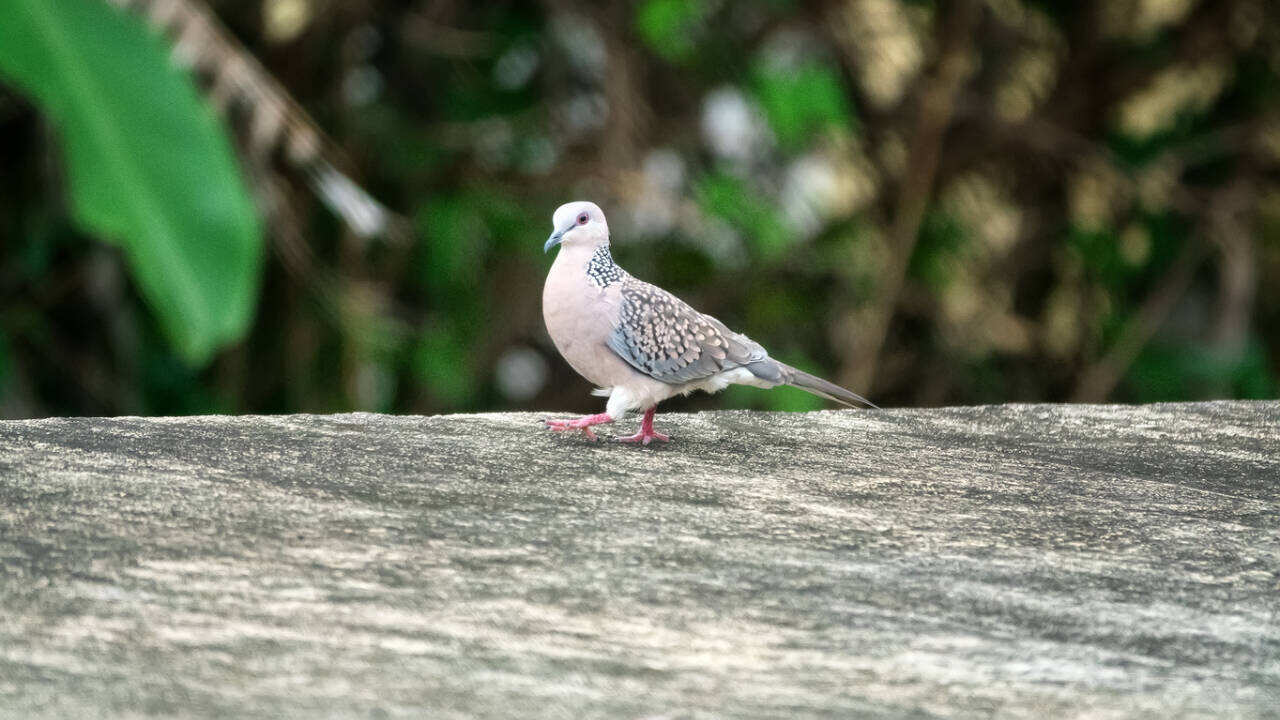
Turtle doves conservation has recently achieved a remarkable milestone, offering a beacon of hope for one of Europe’s most beloved and rapidly declining migratory birds. Following decades of devastating population crashes across the United Kingdom, environmental scientists and conservationists have reported a stunning positive turn of events. Once facing the brink of local extinction, these resilient birds are slowly finding their footing again, thanks to targeted intervention, dedicated breeding programs, and widespread habitat restoration initiatives.

Conservationists celebrate a monumental step forward in protecting vulnerable migratory bird species.
The Historic Decline of Turtle Doves
To truly understand the significance of recent conservation achievements, one must examine the staggering historical trajectory of the species. Since the 1960s, the UK turtle dove population suffered an unprecedented collapse, losing approximately 98% of its total numbers. This drastic reduction transformed a once-common countryside sound into a rare and treasured encounter.
Key Factors Causing the Population Drop
- Habitat Loss: The removal of hedgerows, scrubland, and traditional nesting sites drastically reduced breeding opportunities.
- Dietary Shifts: Modern agricultural intensification eliminated the wild seeds and fumitory plants that turtle doves rely on for food.
- Hunting Pressures: Migratory routes exposed the birds to intensive legal and illegal hunting practices in southern Europe and North Africa.
Innovative Conservation Efforts and the 2026 Release
In a groundbreaking push to reverse these historical losses, conservation groups launched intensive captive breeding and release programs. Marking a vital turning point, a cohort of 30 carefully reared birds was successfully released into the wild. Remarkably, within a remarkably short timeframe, one of the newly released females began laying eggs, signaling immediate adaptation and potential breeding success in their native habitat.

A group of 30 carefully managed birds marks a new dawn for British biodiversity.
Habitat Restoration and Agricultural Changes
Releasing birds into the wild is only one piece of the ecological puzzle. Long-term survival depends entirely on landscape-level changes. Farmers and landowners across the UK have partnered with conservation charities to cultivate specialized wildlife seed plots and restore native hedgerows. These efforts ensure a reliable, pesticide-free food source during the critical spring and summer breeding months.
Essential Steps in Landscape Restoration
- Planting specialized seed mixes rich in earth-friendly grains.
- Reintroducing traditional hedgerow management to provide safe nesting cover.
- Creating shallow drinking ponds close to feeding grounds.

Restored rural habitats provide essential resources for recovering migratory bird populations.
Future Outlook for British Wildlife
While the release of 30 birds and subsequent nesting behaviors represent a major psychological and biological victory, conservationists emphasize that continuous monitoring is vital. International cooperation along migratory flyways remains necessary to protect the birds during their dangerous journeys across continents. Nevertheless, the collaborative synergy between scientists, farmers, and volunteers proves that coordinated conservation can pull endangered species back from the precipice.

Continuous tracking ensures long-term viability for the returning migratory populations.
Conclusion
The recent successes in turtle doves conservation demonstrate the profound impact of dedicated environmental stewardship. Overcoming a devastating 98% population decline is no small feat, yet the successful release and subsequent breeding of these resilient birds offer an inspiring blueprint for future wildlife preservation projects across the globe.