
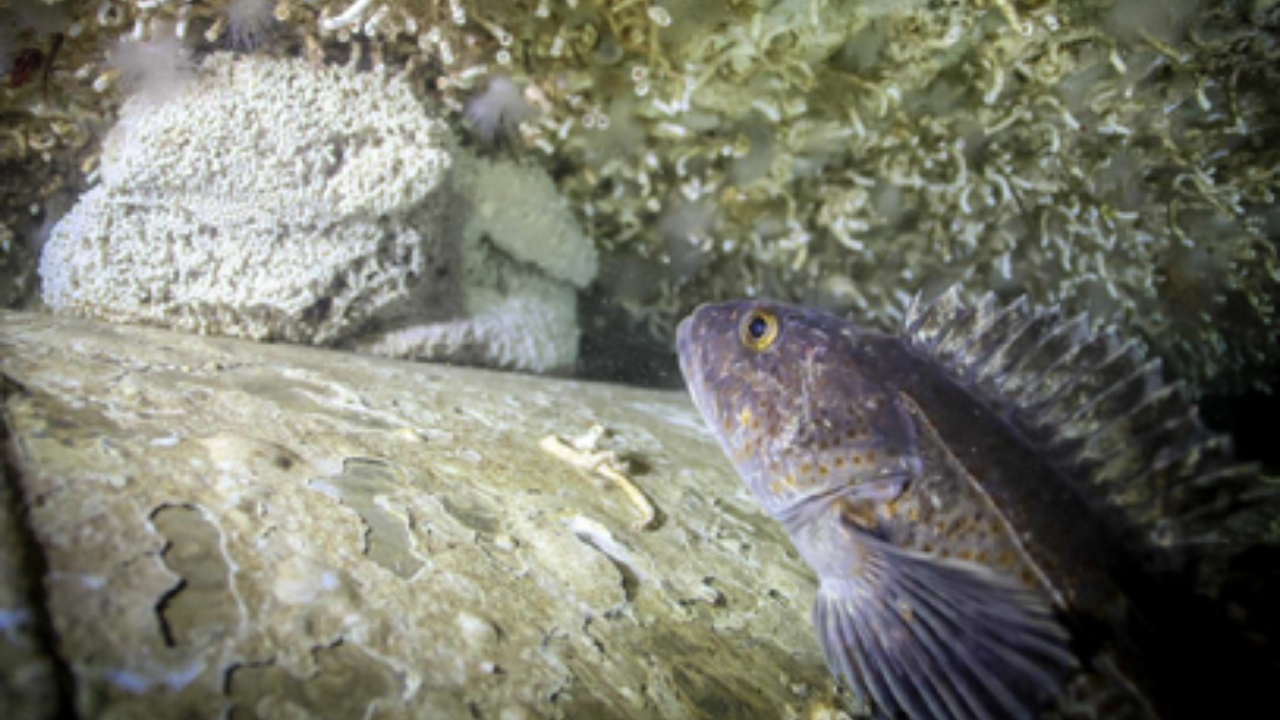

When discussing ocean conservation and marine habitat restoration, the HMCS Annapolis artificial reef stands out as a powerful example of successful ecological engineering. In 2015, environmental authorities deliberately sank a massive 113-meter retired Canadian warship off the coast of British Columbia. This bold initiative aimed to provide a stable substrate for marine life in an area where natural rocky reefs are sparse. Within just five years of submergence, rigorous scientific monitoring revealed that over 170 distinct marine species had colonized the wreck, proving the immense biological value of carefully prepared underwater structures.
Table of Contents
History and Sinking of HMCS Annapolis
Before becoming a thriving underwater habitat, the HMCS Annapolis (DDH 265) served with distinction in the Royal Canadian Navy as an Annapolis-class destroyer helicopter carrier. Commissioned in 1964, the vessel participated in numerous naval exercises and patrols during the Cold War era. After decades of faithful service, the warship was decommissioned in 1998.
Following its retirement, the ship sat idle for years until environmental groups and diving organizations recognized its potential for repurposing. Preparing a massive naval vessel for sinking is no simple task. Strict environmental remediation protocols required the complete removal of all hazardous materials, including fuels, oils, PCBs, and heavy metals, to ensure the surrounding marine ecosystem remained protected. On April 4, 2015, the vessel was successfully scuttled in Halkett Bay Provincial Park near Gambier Island in Howe Sound, British Columbia.
The Transformation into an Artificial Reef
An artificial reef functions by mimicking the structural characteristics of natural rocky reefs. In regions dominated by sandy or muddy seabeds, large solid objects offer critical surfaces where sessile organisms—such as barnacles, anemones, and corals—can anchor themselves.
Why Steel Ships Make Effective Reefs
Steel naval vessels possess several unique advantages when deployed as marine habitats:
- Complex interior compartments provide shelter for fish and larger predators.
- Vertical relief alters local water currents, bringing nutrient-rich upwellings to the area.
- Massive surface area accommodates thousands of individual organisms across multiple trophic levels.
- Durable construction ensures the structure remains stable during severe storms.
Biodiversity Explosion: Over 170 Species Recorded
Marine biologists and scientific divers closely tracked the biological succession on the wreck from day one. By 2020, comprehensive ecological surveys documented a staggering transformation. More than 170 unique species had established permanent or temporary residency on the sunken warship.
Succession Stages of Marine Colonization
The colonization process followed a predictable ecological trajectory:
| Timeline | Dominant Species / Colonizers | Ecological Impact |
|---|---|---|
| Years 1-2 | Bacteria, diatoms, barnacles, and hydroids | Initial biofilm formation and primary surface attachment |
| Years 2-3 | Plumose anemones, tube worms, and sea stars | Increased structural complexity and microhabitat creation |
| Years 4-5 | Rockfish, lingcod, crabs, and greenlings | Establishment of higher trophic level predators and fish populations |
Ecological Benefits and Future Outlook
Beyond providing a home for marine flora and fauna, the project has delivered substantial economic and educational advantages to British Columbia. Recreational scuba divers flock to the site, generating sustainable tourism revenue for local coastal communities. Furthermore, marine scientists use the site as a living laboratory to study how artificial habitats can alleviate fishing pressure on natural reefs.
Conservation Lessons Learned
The success of the HMCS Annapolis highlights the importance of proactive ocean management. By transforming retired military hardware into thriving ecological sanctuaries, conservationists can partially offset habitat loss caused by human activities and climate change.
Conclusion
The remarkable evolution of the HMCS Annapolis artificial reef underscores the resilience of nature when given a helping hand. What began as a decommissioned instrument of war has successfully transitioned into a vibrant underwater metropolis supporting over 170 species. This initiative serves as a blueprint for future marine conservation projects worldwide, proving that responsible engineering can foster incredible biodiversity beneath the waves.