

Table of Contents
Introduction
Ugandan communities plant 4053 trees in a remarkable environmental initiative aimed at restoring a critical wildlife buffer near the renowned Bwindi Impenetrable National Park. This grassroots conservation effort bridges the gap between human settlements and delicate rainforest ecosystems, providing vital protection for endangered species while supporting local livelihoods. As deforestation continues to threaten biodiversity hotspots worldwide, this project serves as a shining example of community-driven ecological restoration.

The Importance of the Bwindi Ecosystem
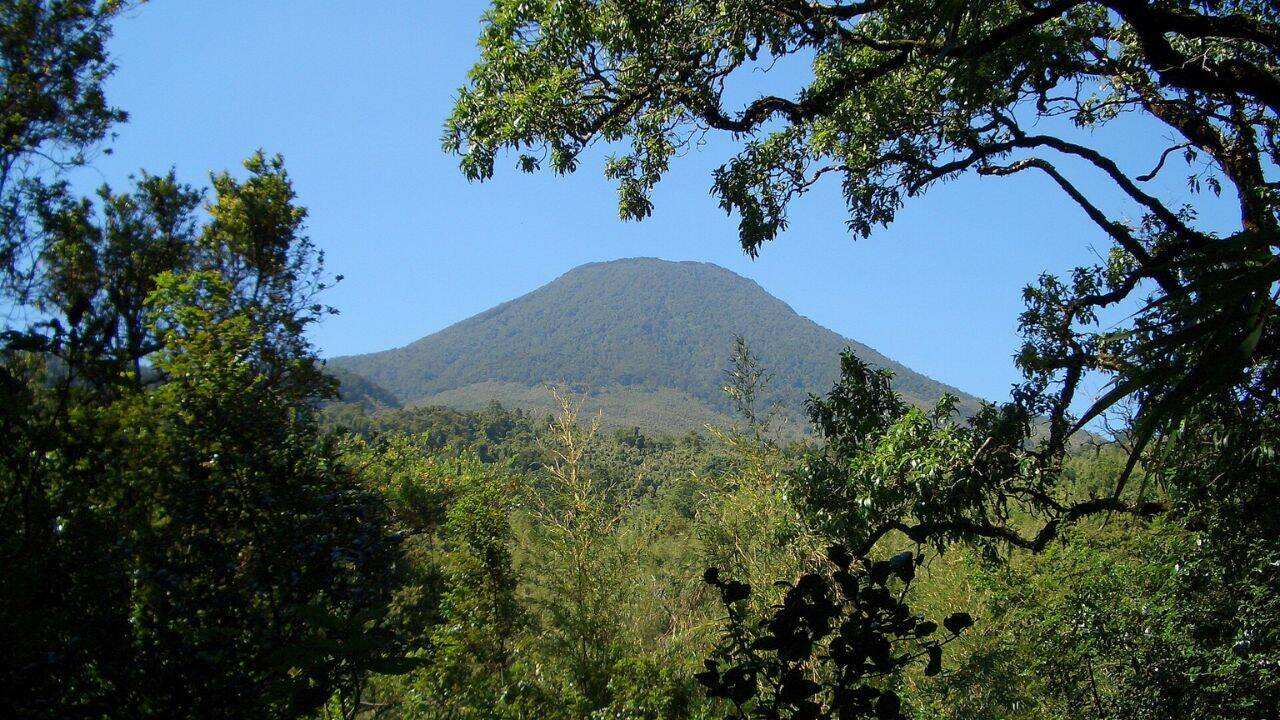
Bwindi Impenetrable National Park is globally recognized as a sanctuary for endangered mountain gorillas and a rich diversity of flora and fauna. Spanning over rugged terrain in southwestern Uganda, this ancient rainforest holds UNESCO World Heritage status. However, surrounding agricultural expansion and historical logging have severely depleted peripheral forest cover, leaving wildlife corridors vulnerable and increasing human-wildlife conflict.
Understanding the Wildlife Buffer Zone
A wildlife buffer zone acts as a transitional area between protected parks and human-dominated landscapes. When these buffers degrade, animals such as elephants and gorillas occasionally wander into farms, leading to crop damage and retaliatory actions. Restoring these zones through targeted tree planting creates a sustainable barrier that mitigates conflicts and protects natural habitats.
Community-Led Reforestation Efforts
The success of the recent tree-planting campaign relies heavily on the active participation of local residents. Rather than imposing top-down conservation mandates, environmental organizations collaborated directly with farmers, landowners, and community leaders. Participants were trained in sustainable forestry practices, ensuring the newly planted saplings would thrive and provide long-term benefits.
- Engagement of over 200 local households in planting activities.
- Selection of indigenous tree species tailored to the local soil and climate.
- Integration of agroforestry methods to support local agricultural yields.
- Establishment of community-managed nurseries for continuous seedling supply.

Ecological Impact and Wildlife Recovery
Although the 4,053 newly planted trees represent just the beginning of a larger restoration journey, their cumulative impact on the local ecosystem is already becoming apparent. Indigenous trees contribute to soil stabilization, watershed protection, and carbon sequestration. Over time, these growing canopies will expand the habitable range for forest-dwelling birds, primates, and insects.
Long-Term Environmental Benefits
Healthy forests play an indispensable role in combating global climate change while maintaining regional microclimates. By connecting fragmented forest patches, this initiative facilitates natural wildlife migration and genetic diversity among isolated animal populations.
| Metric | Details |
|---|---|
| Trees Planted | 4,053 indigenous saplings |
| Primary Location | Buffer zone near Bwindi Impenetrable National Park |
| Core Objective | Restore wildlife corridors and reduce human-wildlife conflict |
| Key Participants | Local Ugandan communities and conservation volunteers |
Future Outlook and Sustainable Growth
Building upon the momentum of this successful planting drive, organizers plan to scale up operations in the coming years. Securing ongoing funding, monitoring tree survival rates, and expanding educational programs in schools remain top priorities. Through continued collaboration, local communities demonstrate that human development and wildlife conservation can coexist harmoniously.
Conclusion
The decision by Ugandan communities to plant 4053 trees marks a pivotal step toward healing a damaged landscape near Bwindi Impenetrable National Park. By investing in nature-based solutions, these residents are safeguarding their agricultural future while protecting one of Africa’s most irreplaceable ecological treasures. This inspiring endeavor highlights the profound difference that grassroots environmental stewardship can achieve.